Government debt is a critical topic in economic discussions worldwide. Understanding the factors that contribute to the increase in government debt is essential for policymakers, economists, and the general public. In this analysis, we will delve into the various reasons behind the rising levels of government debt and their implications for the economy.
Economic Downturns and Fiscal Stimulus
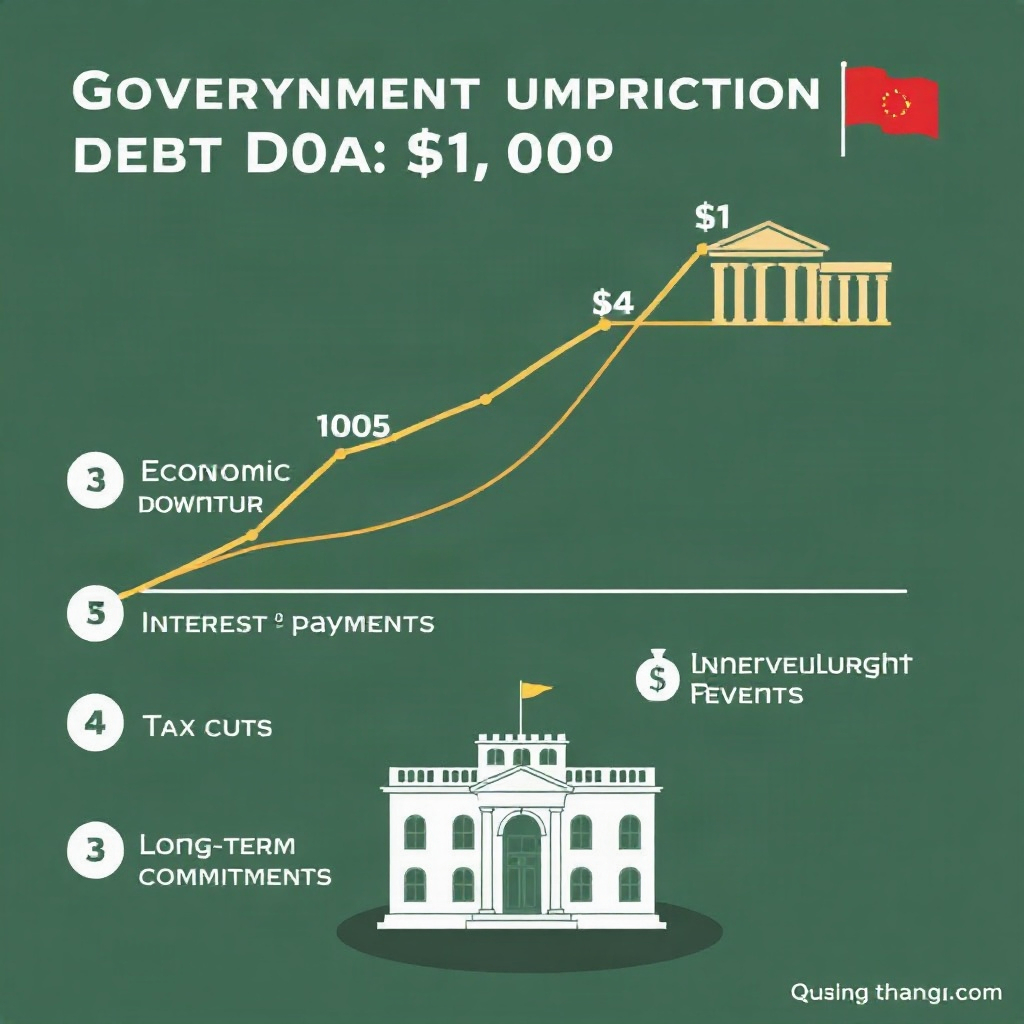
One of the primary reasons for the increase in government debt is economic downturns. During periods of recession or economic crisis, governments often implement fiscal stimulus measures to boost economic activity. These measures can include increased government spending, tax cuts, and financial assistance programs. While these actions are crucial for preventing a deeper economic downturn, they also lead to a rise in government debt levels.
Structural Budget Deficits
Another key factor contributing to the increase in government debt is structural budget deficits. When a government consistently spends more than it collects in revenues over an extended period, it results in a budget deficit. Over time, these deficits accumulate, leading to a higher overall debt burden for the government. Structural budget deficits are often caused by factors such as unsustainable spending commitments, inefficiencies in the tax system, and demographic changes.
Interest Payments on Existing Debt
As government debt levels rise, the amount of interest payments on existing debt also increases. These interest payments can consume a significant portion of the government’s budget, diverting funds away from essential services and investments. The higher the debt levels, the more the government has to allocate towards interest payments, further exacerbating the debt burden.
Unforeseen Events and Emergency Spending
Unforeseen events such as natural disasters, pandemics, or security threats can also contribute to an increase in government debt. In response to these emergencies, governments often need to allocate additional funds for disaster relief, healthcare services, or national security measures. While necessary, this emergency spending adds to the government’s debt load, especially if it is not offset by revenue increases or spending cuts elsewhere.
Tax Cuts and Revenue Reduction
Tax cuts and revenue reductions can have a direct impact on government debt levels. When governments decrease tax rates or implement tax incentives, they reduce their revenue streams. This reduction in revenue can lead to budget shortfalls, forcing the government to borrow money to cover its expenses. While tax cuts can stimulate economic growth, they can also contribute to a higher level of government debt if not accompanied by spending adjustments.
Long-Term Commitments and Pension Obligations
Long-term commitments such as pension obligations and healthcare costs for retirees can also play a role in increasing government debt. As populations age and life expectancies increase, governments face growing pension and healthcare liabilities. Meeting these obligations requires significant financial resources, leading to higher debt levels if not adequately funded. Addressing these long-term commitments is essential for ensuring fiscal sustainability and reducing the burden of government debt on future generations.