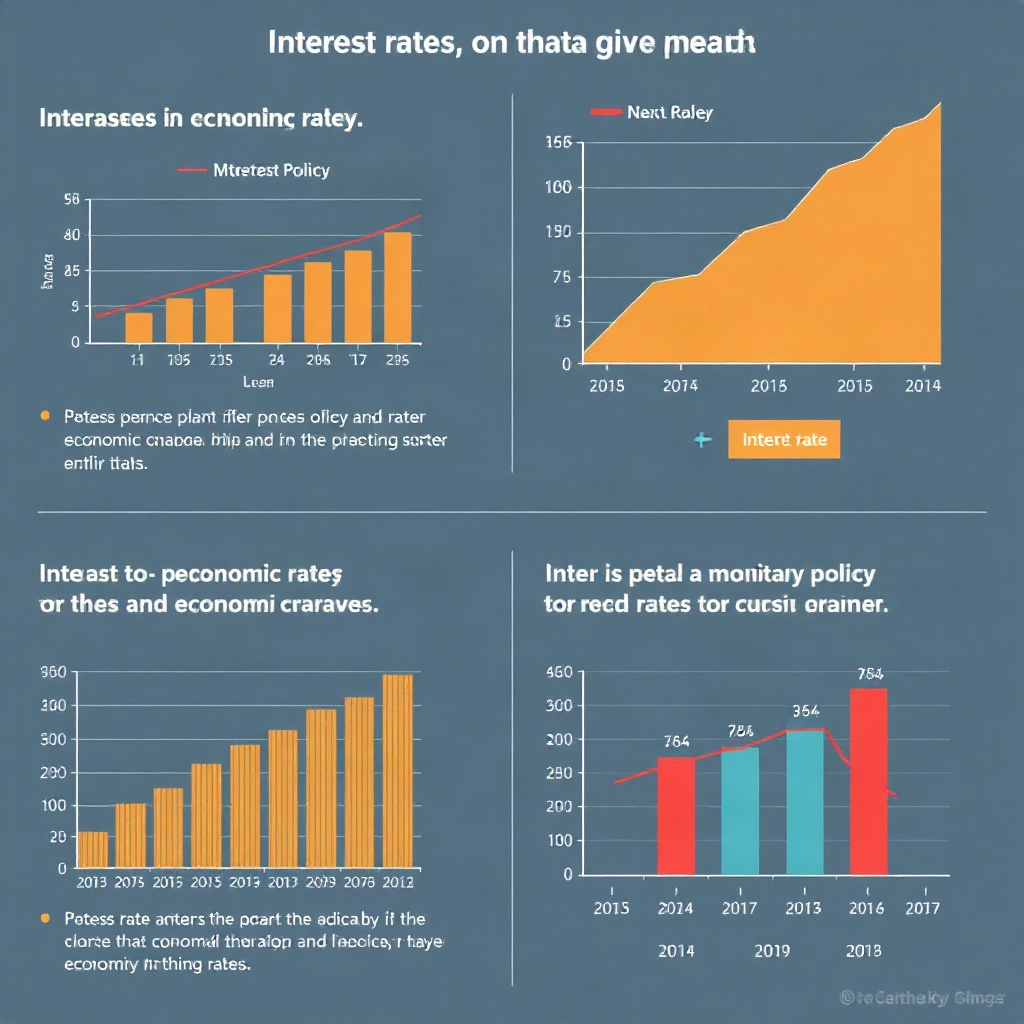
Inflation expectations play a crucial role in the economic landscape, significantly impacting price stability and, consequently, the decision-making processes of policymakers. Understanding how these expectations are formed, their dynamics, and their implications for the broader economy is vital for maintaining a stable monetary environment. In recent years, with the fluctuations in global economies and the continuous evolution of monetary policies, the relationship between inflation expectations and price stability has come to the fore as a topic of considerable interest. This analysis will explore the intricate mechanisms through which inflation expectations influence price stability, the factors that shape these expectations, and the implications for monetary policy.
The Mechanisms of Inflation Expectations Formation
Inflation expectations are primarily shaped by various economic signals, including past inflation rates, central bank communications, and broader economic indicators. Households and businesses tend to form their expectations based on their experiences with inflation in the recent past, often leading to a phenomenon known as adaptive expectations. However, this is complemented by rational expectations, where agents use all available information to predict future inflation. Central banks, by communicating their targets and policy intentions effectively, can influence these expectations significantly. For instance, if a central bank establishes a credible inflation target, it can anchor expectations, thereby reducing volatility in price levels. This interaction between expectations and actual inflation illustrates the dynamic nature of economic behavior, where perceptions can often lead to self-fulfilling prophecies in the inflationary context.
The Role of Central Banks in Managing Expectations
Central banks are pivotal in shaping inflation expectations and thereby ensuring price stability. By utilizing various monetary policy tools, such as interest rate adjustments, quantitative easing, and forward guidance, they can signal their commitment to maintaining inflation within a specific target range. For example, a central bank may raise interest rates in response to rising inflation expectations, a move that not only curtails spending but also signals a robust stance against inflationary pressures. The credibility of central banks in managing these expectations is paramount; if the public believes that a central bank will act decisively to control inflation, it can lead to more stable expectations and, ultimately, more stable prices. Additionally, the transparency of central bank operations can enhance their ability to manage expectations effectively, as it reduces uncertainty among economic agents regarding future monetary policy actions.
The Impact of Global Economic Factors
Global economic conditions have a profound impact on domestic inflation expectations and price stability. Factors such as international commodity prices, exchange rate fluctuations, and geopolitical events can all contribute to changes in inflation trajectories. For instance, a sudden spike in oil prices can lead to increased production costs, subsequently driving up consumer prices. In such scenarios, domestic inflation expectations may rise in anticipation of higher future prices. Furthermore, the interconnectedness of global markets means that inflationary pressures can easily spill over from one economy to another, complicating the task of central banks. As a result, policymakers must remain vigilant and responsive to external shocks, adjusting their strategies to maintain price stability in a volatile global environment.
Behavioral Economics and Inflation Expectations
Behavioral economics provides valuable insights into how psychological factors can influence inflation expectations. Cognitive biases, such as overconfidence or anchoring, can lead individuals to misjudge the likelihood of future inflation. For example, during periods of economic stability, individuals may become overly optimistic about future price levels, leading them to underestimate potential inflation risks. Conversely, in times of economic distress, fear and anxiety may lead to heightened inflation expectations even in the absence of concrete evidence. Understanding these behavioral patterns is crucial for policymakers, as it can inform strategies to better communicate monetary policy and manage public expectations. By addressing the psychological aspects of inflation expectations, central banks can enhance their effectiveness in achieving price stability.
The Future of Inflation Expectations and Monetary Policy
As economies continue to evolve, the landscape of inflation expectations and their implications for monetary policy will inevitably change. Technological advancements, such as the rise of digital currencies and the increasing role of data analytics, may alter the way inflation expectations are formed and managed. Moreover, the ongoing dialogue surrounding climate change and sustainability may introduce new variables that influence inflation dynamics. Policymakers will need to adapt to these changes, employing innovative strategies to ensure that inflation expectations remain anchored and aligned with long-term price stability goals. The integration of forward-looking indicators and real-time data analysis into monetary policy frameworks may offer enhanced responsiveness to shifting economic conditions.
In conclusion, inflation expectations are a fundamental component of the economic framework, influencing price stability and monetary policy decisions. The intricate relationship between these expectations and actual inflation highlights the importance of effective communication and credible policy actions by central banks. As the global economic landscape continues to evolve, policymakers must remain agile in managing inflation expectations, ensuring that they are equipped to navigate the challenges and opportunities that lie ahead.