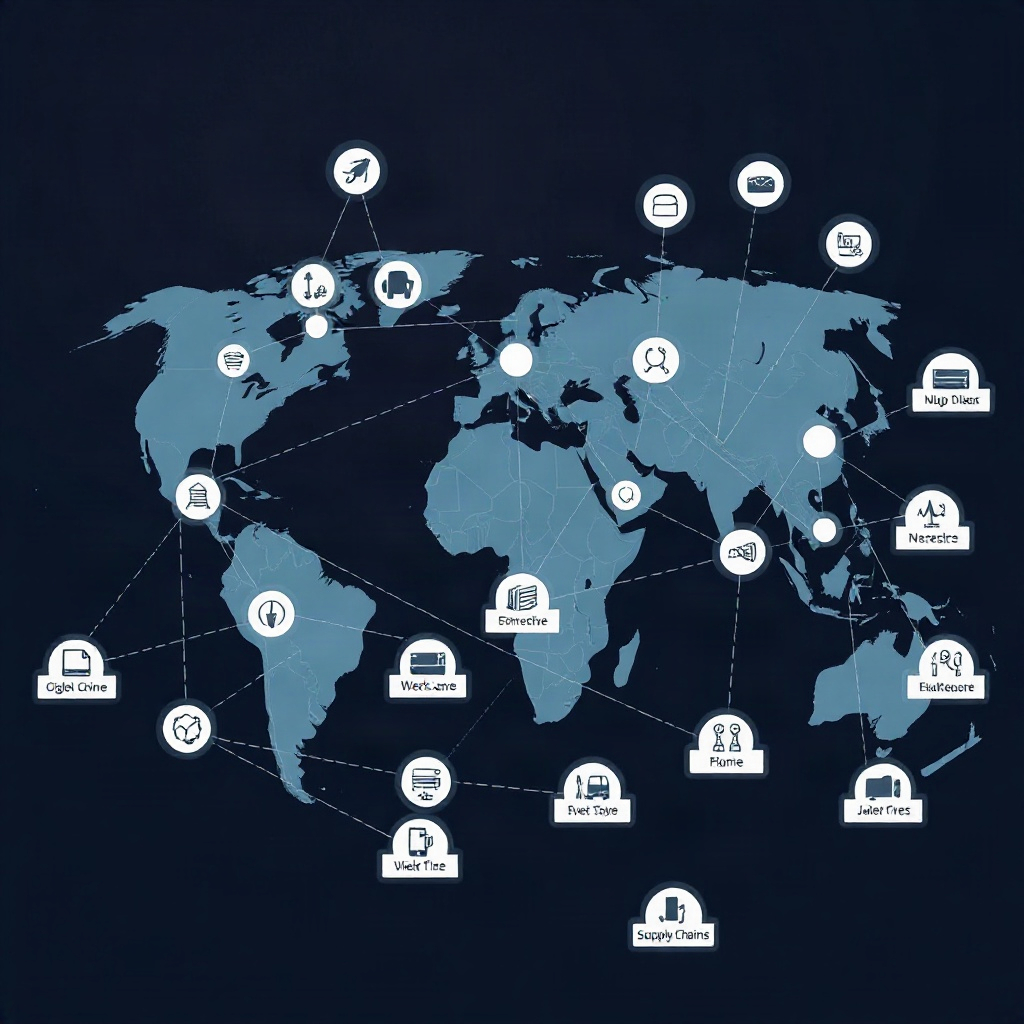
In today’s globalized and interconnected world, companies are faced with a multitude of risks when it comes to managing their supply chains. From natural disasters to geopolitical tensions, the challenges are ever-present and require a strategic approach. In this blog post, we will discuss how companies can effectively manage supply chain risks to ensure smooth operations and minimize disruptions.
Understanding Supply Chain Risks
Supply chain risks can be categorized into various types, including operational, financial, and strategic risks. Operational risks include disruptions in logistics and transportation, while financial risks pertain to fluctuations in currency exchange rates. Strategic risks, on the other hand, involve issues such as supplier dependencies and market shifts. By understanding the different types of risks, companies can better prepare and mitigate potential challenges.
Conducting Risk Assessments
One of the first steps in managing supply chain risks is to conduct thorough risk assessments. This involves identifying potential risks, evaluating their impact, and developing contingency plans. By proactively assessing risks, companies can anticipate challenges and implement measures to address them effectively. Regular risk assessments should be conducted to ensure ongoing monitoring and adaptation to changing circumstances.
Diversifying Suppliers and Partners
To reduce dependency on a single source, companies should consider diversifying their suppliers and partners. By working with multiple suppliers across different regions, companies can minimize the impact of disruptions in one area. This strategy also allows companies to leverage competitive advantages and negotiate better terms with suppliers. Diversification is key to building resilience in the supply chain and mitigating risks.
Implementing Technology Solutions
Technology plays a crucial role in managing supply chain risks. From data analytics to real-time tracking, companies can leverage various tools and solutions to enhance visibility and control over their supply chains. Advanced technologies such as blockchain can provide transparency and traceability, enabling companies to identify potential risks and take proactive measures. By investing in technology, companies can streamline operations and improve risk management processes.
Collaborating with Stakeholders
Effective risk management requires collaboration with stakeholders across the supply chain. By engaging with suppliers, logistics partners, and customers, companies can foster communication and coordination to address potential risks together. Collaboration enables information sharing and mutual support, creating a network of partners who are invested in the success of the supply chain. By building strong relationships, companies can enhance resilience and responsiveness to risks.
Monitoring and Reporting
Continuous monitoring and reporting are essential components of supply chain risk management. By establishing key performance indicators (KPIs) and metrics, companies can track performance and identify areas of improvement. Regular reporting allows for data-driven decision-making and proactive risk mitigation. Through real-time monitoring and analysis, companies can stay ahead of potential risks and take corrective actions promptly.
Investing in Training and Development
Lastly, investing in training and development for employees is critical for effective supply chain risk management. By providing education on risk awareness, mitigation strategies, and crisis response, companies can empower their teams to handle challenges effectively. Training programs should be tailored to specific roles and responsibilities, ensuring that employees are equipped with the necessary skills and knowledge to navigate supply chain risks. Continuous learning and development are key to building a resilient and adaptable workforce.