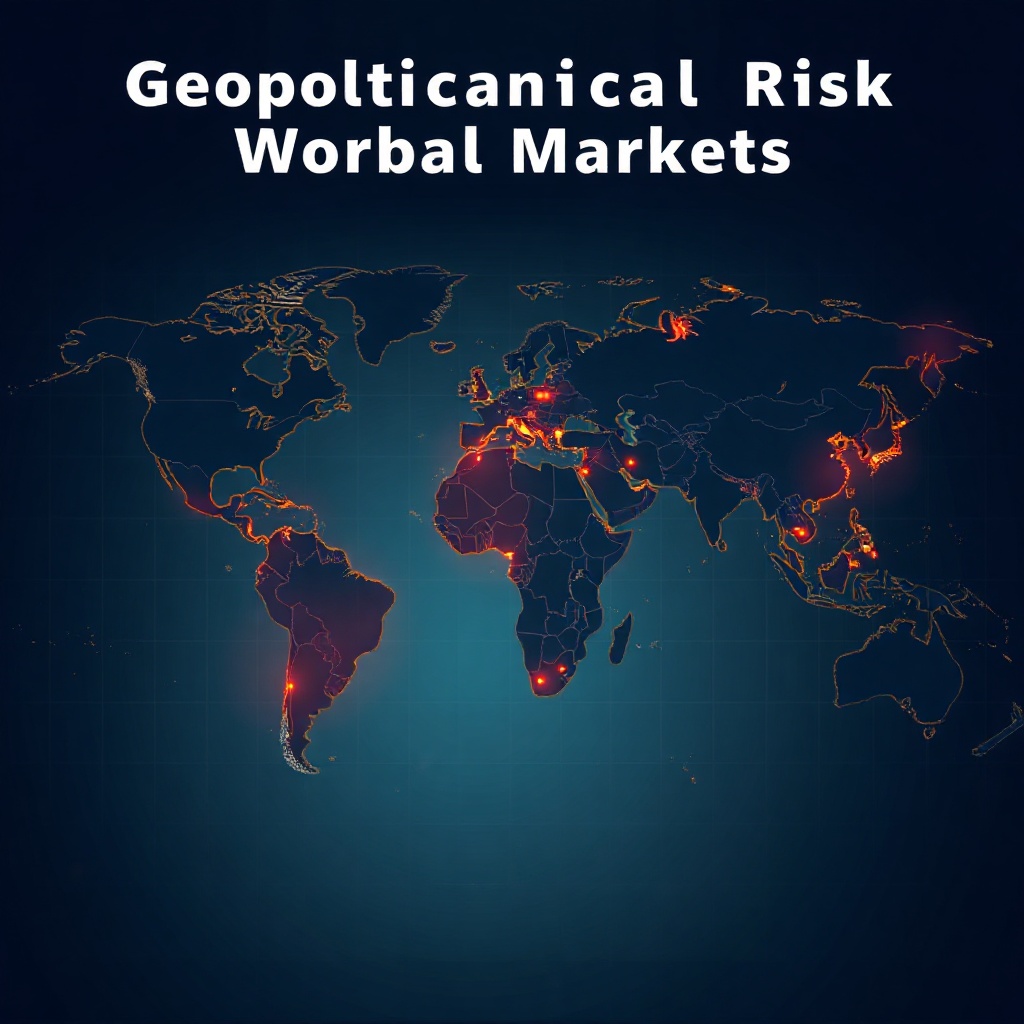
Geopolitics plays a crucial role in shaping the world we live in today. From territorial disputes to economic sanctions, geopolitical risks have the potential to disrupt global stability and peace. In this article, we will explore the most important geopolitical risks currently facing the world and their potential impact on international relations.
The Rise of Authoritarian Regimes
In recent years, there has been a noticeable rise in authoritarian regimes across the globe. Countries like Russia, China, and Turkey have seen their leaders consolidate power and suppress dissent. This trend poses a significant risk to global democracy and human rights, as these regimes often prioritize their own interests over those of the international community.
Territorial Disputes in the South China Sea
The South China Sea has become a hotbed of territorial disputes, with multiple countries claiming sovereignty over various islands and waters. The escalating tensions in this region pose a major risk to maritime security and could potentially lead to a conflict between major powers like China, the United States, and Japan.
Cyber Warfare and Information Manipulation
As technology continues to advance, so does the threat of cyber warfare and information manipulation. State-sponsored hackers and online trolls have the ability to disrupt elections, spread disinformation, and undermine trust in democratic institutions. The increasing reliance on digital infrastructure makes countries vulnerable to cyber attacks, posing a significant risk to national security.
Economic Sanctions and Trade Wars
Economic sanctions and trade wars have become powerful tools in the realm of geopolitics. Countries use these measures to exert pressure on their adversaries and protect their own economic interests. However, the indiscriminate use of sanctions can have unintended consequences, leading to economic instability and fueling geopolitical tensions.
Climate Change and Environmental Degradation
The effects of climate change are becoming increasingly apparent, with rising sea levels, extreme weather events, and environmental degradation threatening global stability. The scarcity of natural resources and the displacement of populations due to climate-related disasters pose significant risks to international security and could exacerbate existing geopolitical conflicts.
Nuclear Proliferation and Arms Race
The proliferation of nuclear weapons and the threat of a new arms race present a grave risk to global security. Countries like North Korea and Iran continue to pursue nuclear capabilities, raising concerns about the potential for nuclear conflict. The lack of international cooperation on disarmament and non-proliferation further heightens the risk of a nuclear catastrophe.
As the world grapples with these complex geopolitical risks, it is essential for policymakers and global leaders to prioritize diplomacy, cooperation, and conflict resolution. By addressing these challenges head-on and working towards peaceful solutions, we can mitigate the risks and build a more stable and secure world for future generations.