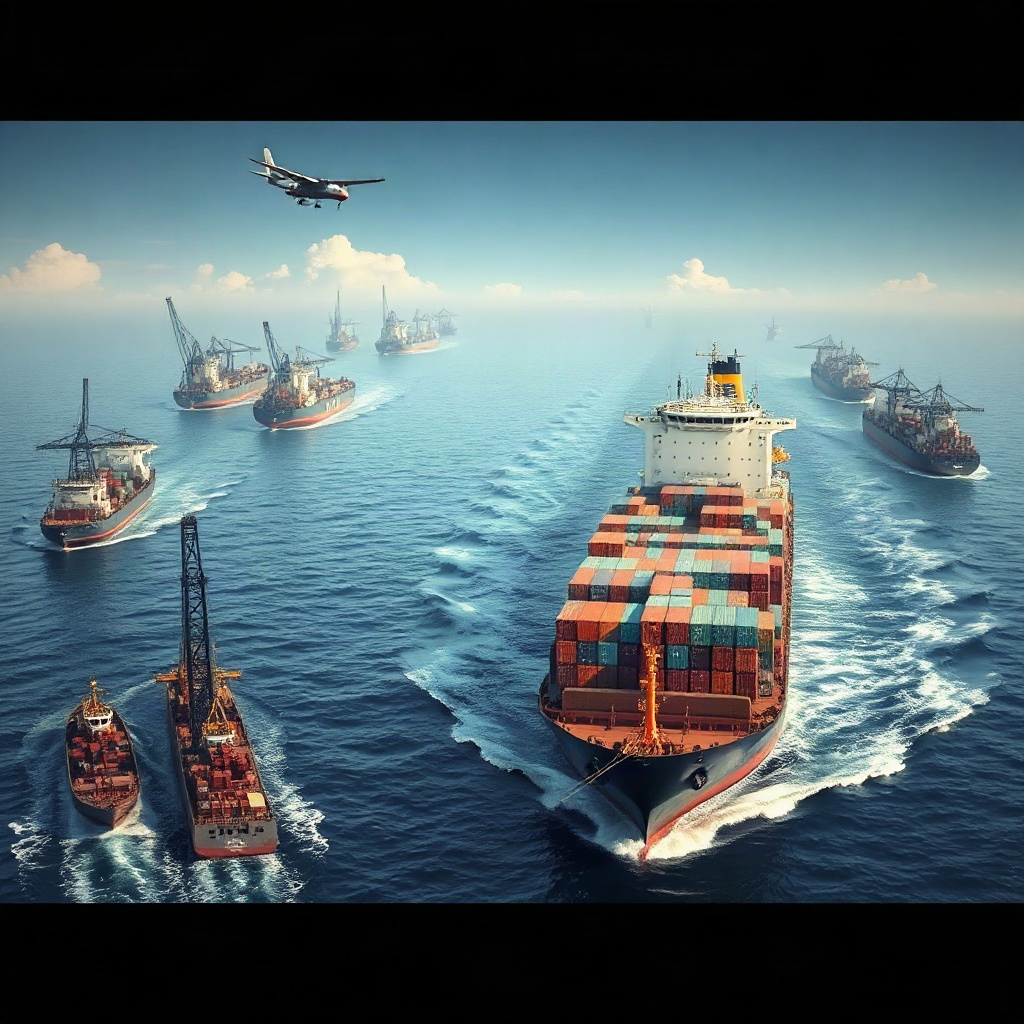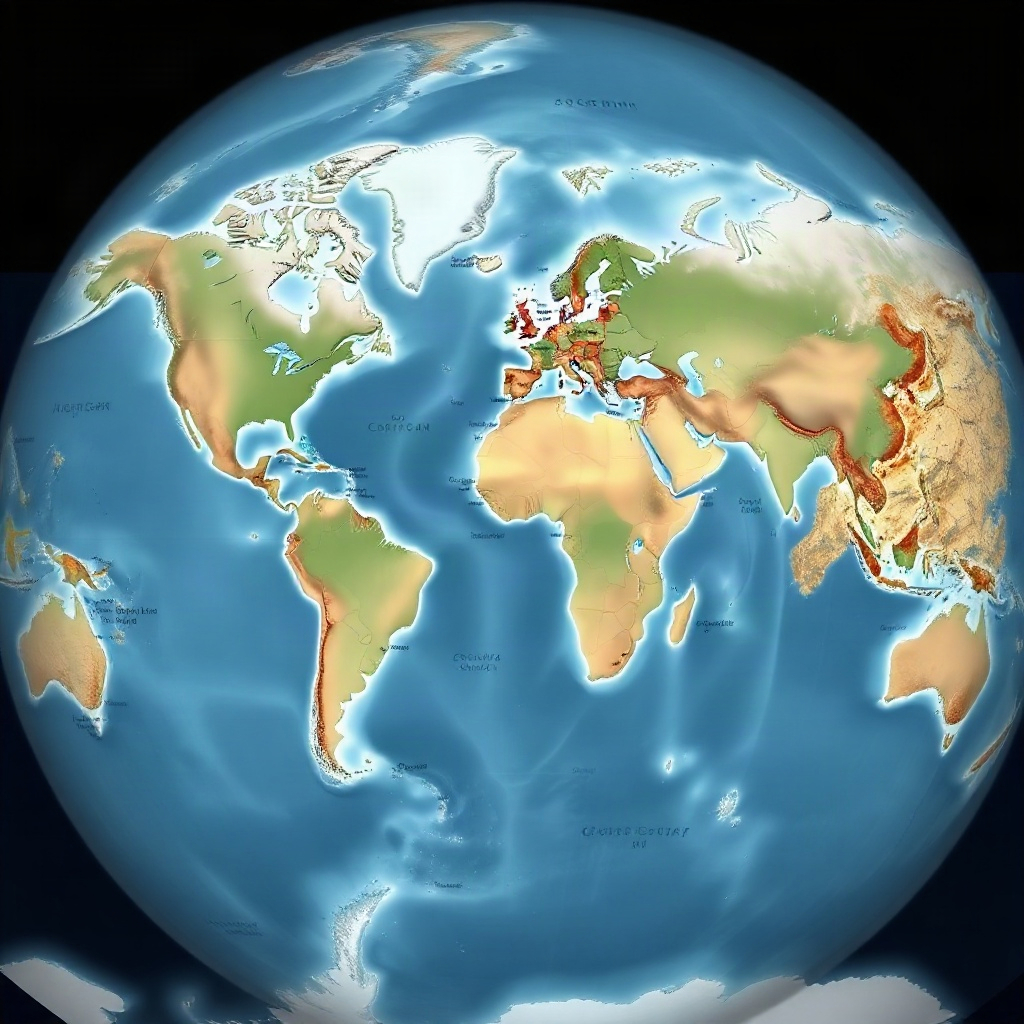
Maritime boundaries play a crucial role in the regulation of activities such as fishing, shipping, and resource exploitation in the world’s oceans. Negotiating these boundaries is a complex process that involves multiple stakeholders and considerations. In this article, we will explore how maritime boundaries are negotiated, the key factors that influence these negotiations, and the importance of reaching mutually beneficial agreements.
The Importance of Maritime Boundaries
Maritime boundaries are essential for defining the jurisdictional rights of coastal states over their territorial waters, exclusive economic zones, and continental shelves. These boundaries help prevent conflicts over resource exploitation, protect marine ecosystems, and ensure the safety and security of maritime activities.
The Role of International Law
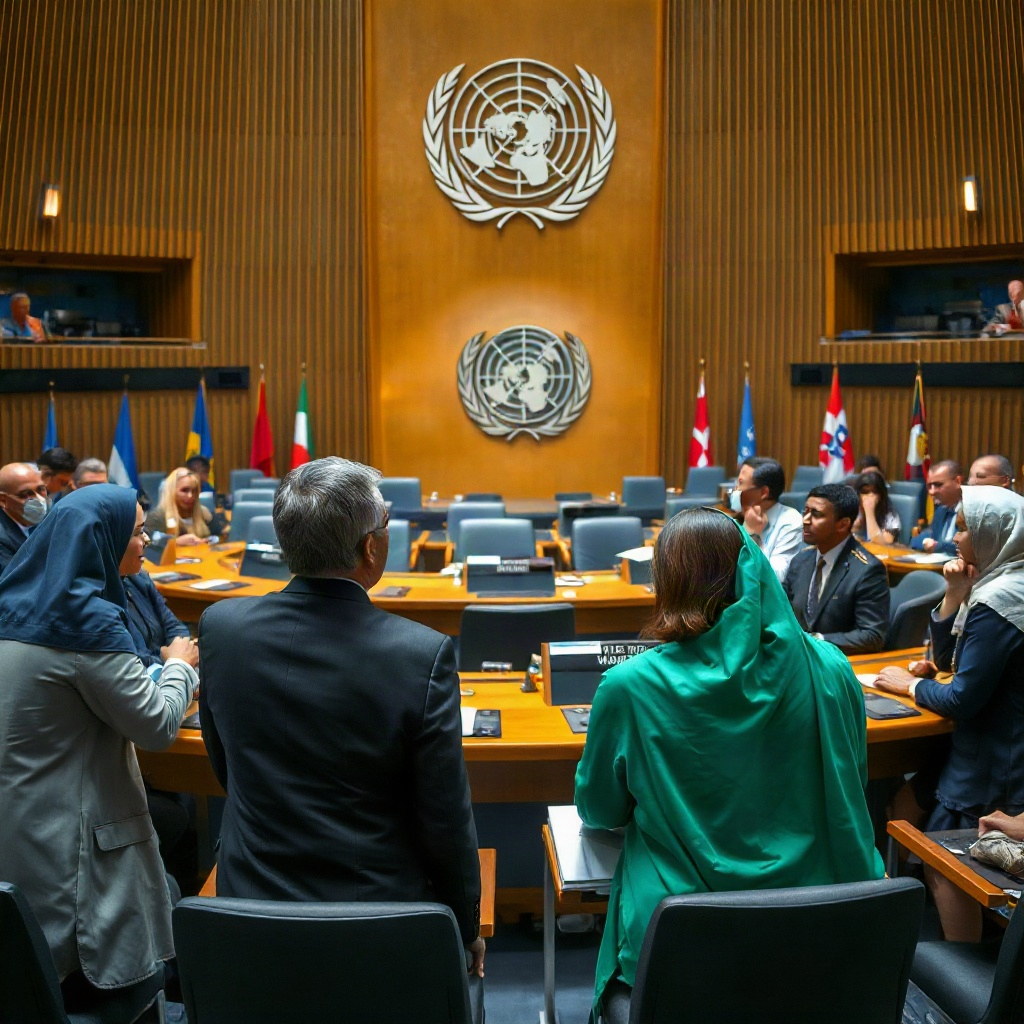
International law provides the legal framework for negotiating maritime boundaries. The United Nations Convention on the Law of the Sea (UNCLOS) is the primary international agreement that governs the rights and responsibilities of states in the world’s oceans. UNCLOS establishes rules for delimiting maritime boundaries and resolving disputes between states.
Factors Influencing Negotiations
Several factors influence the negotiation of maritime boundaries, including historical claims, geographical features, economic interests, and geopolitical considerations. States must consider these factors when determining their maritime boundaries to ensure compliance with international law and the equitable distribution of resources.
Methods of Boundary Delimitation
There are several methods for delimiting maritime boundaries, including the equidistance principle, the principle of equity, and special circumstances. States may use these methods individually or in combination to reach mutually acceptable agreements on their maritime boundaries.
Dispute Resolution Mechanisms
Despite the efforts to negotiate maritime boundaries, disputes often arise between states due to conflicting claims and interests. States can resolve these disputes through diplomatic negotiations, third-party mediation, arbitration, or adjudication by international courts or tribunals.
The Future of Maritime Boundary Negotiations
As climate change, technological advancements, and increased resource exploitation continue to impact the world’s oceans, the negotiation of maritime boundaries will become even more critical. States must work together to address emerging challenges and opportunities in the maritime domain to ensure sustainable development and cooperation.