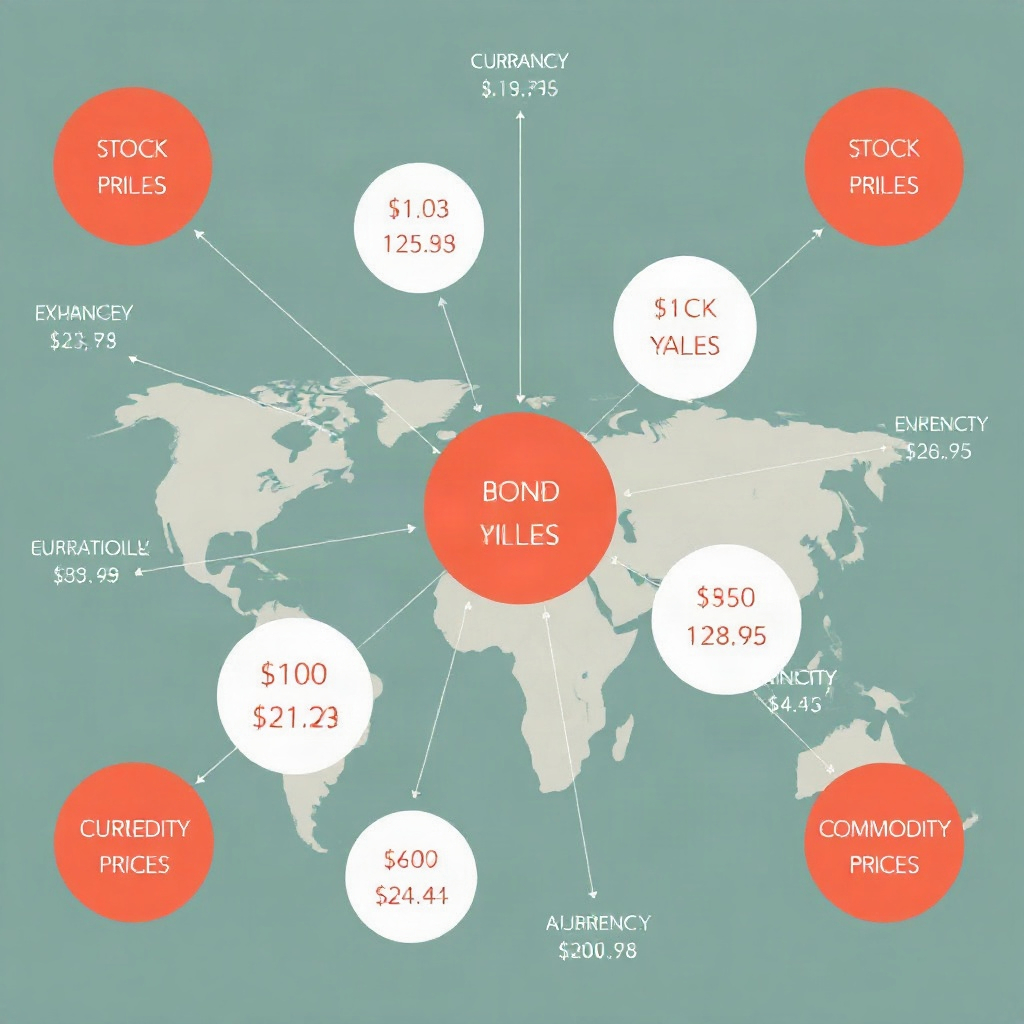
Interest rate cuts are crucial tools that central banks around the world use to stimulate economic growth. When interest rates are lowered, borrowing becomes cheaper, leading to increased consumer spending and investment. However, the impact of interest rate cuts goes beyond domestic economies, affecting global markets in various ways.
The Connection Between Interest Rates and Global Markets
Interest rates play a significant role in determining the flow of capital across borders. When a central bank cuts interest rates, it can influence the value of the country’s currency relative to others. Lower interest rates tend to weaken a currency, making exports more competitive and boosting economic activity. This can have a ripple effect on global trade and investment flows.
Impact on Stock Markets
Interest rate cuts often lead to a surge in stock market performance. Lower borrowing costs make equities more attractive to investors seeking higher returns. As a result, stock prices tend to rise in response to interest rate cuts. However, the extent of the impact can vary depending on other factors such as the overall economic outlook and geopolitical events.
Effects on Bond Markets
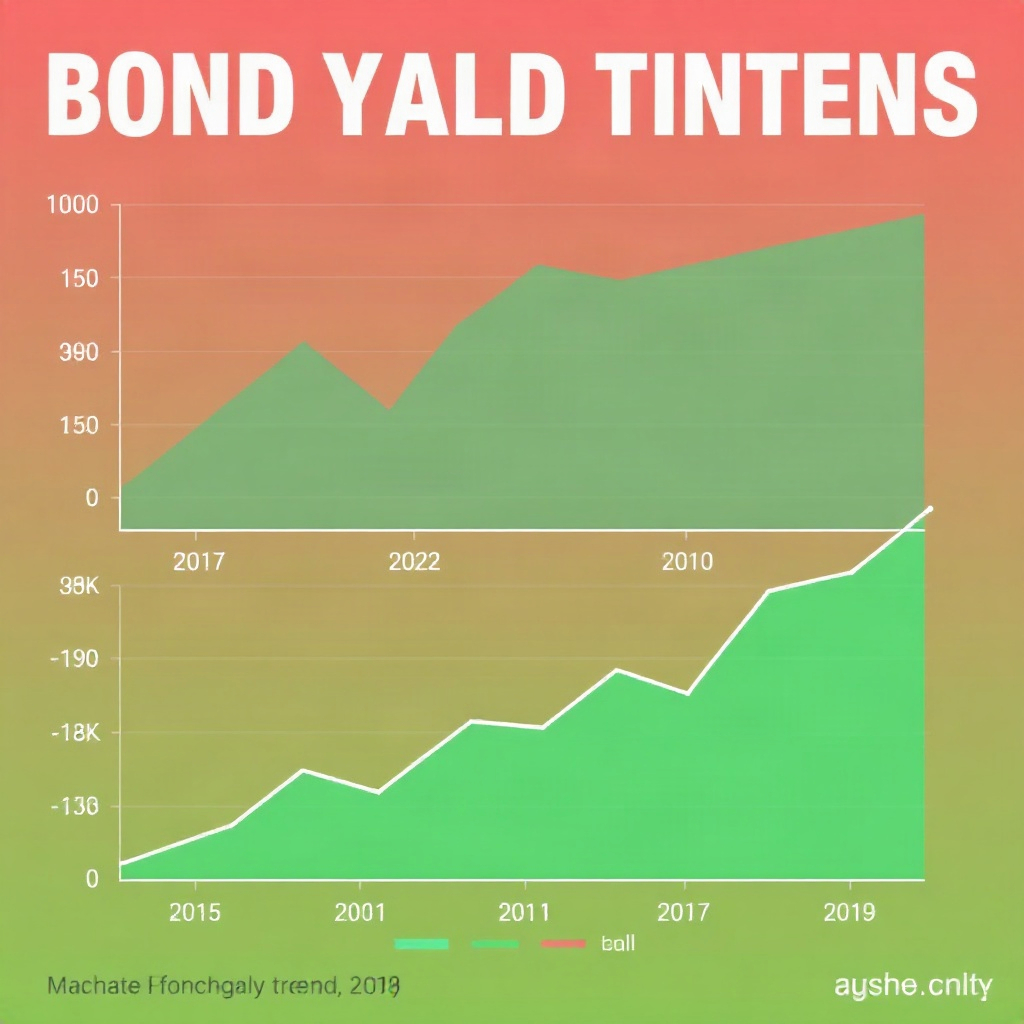
Bond markets are also affected by interest rate cuts. When interest rates decline, the yields on existing bonds become more attractive, driving up bond prices. This inverse relationship between interest rates and bond prices is a key consideration for investors in fixed-income securities. Additionally, lower interest rates can lead to increased issuance of new bonds as companies and governments take advantage of favorable borrowing conditions.
Influence on Commodities
Interest rate cuts can impact commodity prices in different ways. Lower interest rates tend to weaken the value of the local currency, making commodities priced in that currency more attractive to foreign buyers. This can boost demand for commodities and drive up prices. On the other hand, lower interest rates can also stimulate economic growth, leading to increased demand for raw materials and energy resources.
Global Economic Stability
The interconnected nature of financial markets means that changes in interest rates in one country can have far-reaching implications for global economic stability. Central banks closely monitor international developments to assess the potential impact of their monetary policy decisions on other economies. Cooperation among central banks is essential to ensure that interest rate adjustments do not trigger financial instability or currency volatility.
Future Outlook and Considerations
As central banks continue to navigate the challenges of a rapidly changing global economy, the effects of interest rate cuts on global markets will remain a topic of interest. In an environment of low inflation and subdued growth, central banks may resort to unconventional monetary policies to provide further stimulus. Investors and policymakers alike will need to closely monitor the evolving dynamics of global markets in response to interest rate changes.