With the rapid advancement of technology, artificial intelligence (AI) has become a prominent player in various industries. One of the biggest questions on everyone’s mind is: What jobs could AI transform in the future? As AI continues to evolve and improve, it is inevitable that certain jobs will be affected. In this article, we will explore the potential impact of AI on different professions and industries.
The Rise of Automation
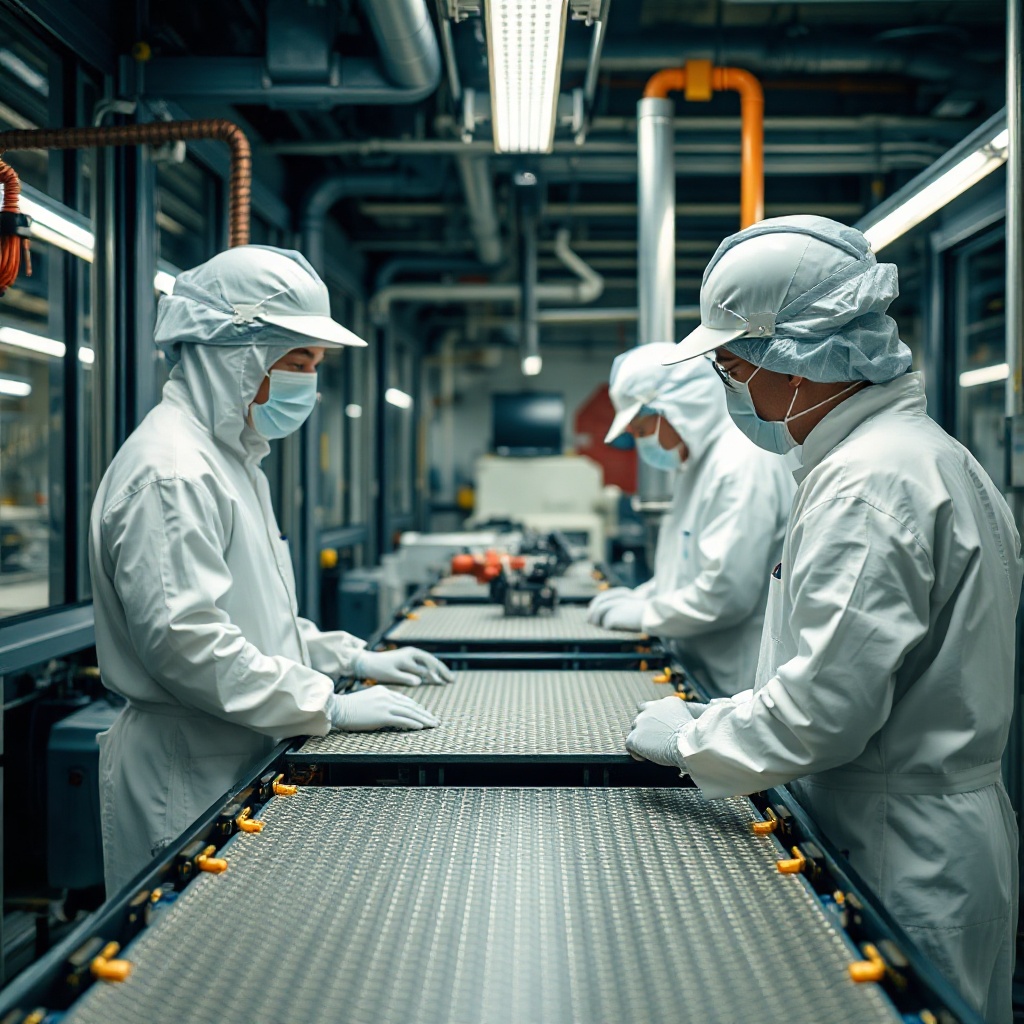
AI has already started to revolutionize industries by automating repetitive tasks and streamlining processes. Jobs that involve routine and predictable tasks are at risk of being automated by AI technologies. This includes roles in manufacturing, data entry, and customer service. As AI becomes more sophisticated, it will be able to handle more complex tasks, leading to further automation in various sectors.
The Future of Healthcare
In the healthcare industry, AI has the potential to transform the way medical professionals work. From diagnostic tools to personalized treatment plans, AI can enhance the efficiency and accuracy of healthcare services. Jobs such as medical imaging analysis, patient monitoring, and drug discovery could see significant changes with the integration of AI technologies. While AI can augment the capabilities of healthcare professionals, it may also impact the demand for certain roles.
Education Evolved
AI has the power to revolutionize education by personalizing learning experiences and providing adaptive feedback to students. With the help of AI-driven tools, teachers can create tailored lesson plans and identify areas where students need extra support. Jobs in education, such as tutoring, curriculum development, and assessment, could be reshaped by AI. While AI can enhance the learning process, it may also raise concerns about the role of teachers in the future.
The Impact on Finance
In the financial sector, AI is already being used for tasks like fraud detection, risk assessment, and algorithmic trading. As AI algorithms become more advanced, they could potentially replace jobs in banking, insurance, and investment management. While AI can improve efficiency and accuracy in financial operations, it may also raise questions about data security and ethical considerations. The future of finance will likely involve a balance between human expertise and AI capabilities.
Creative Industries in the Digital Age
AI is also making its mark in creative industries such as marketing, design, and content creation. From automated ad campaigns to AI-generated art, technology is reshaping the way creative professionals work. Jobs in advertising, graphic design, and copywriting could see changes as AI tools become more sophisticated. While AI can offer new opportunities for creativity and innovation, it may also challenge traditional notions of artistic expression and human ingenuity.
The Evolution of Transportation
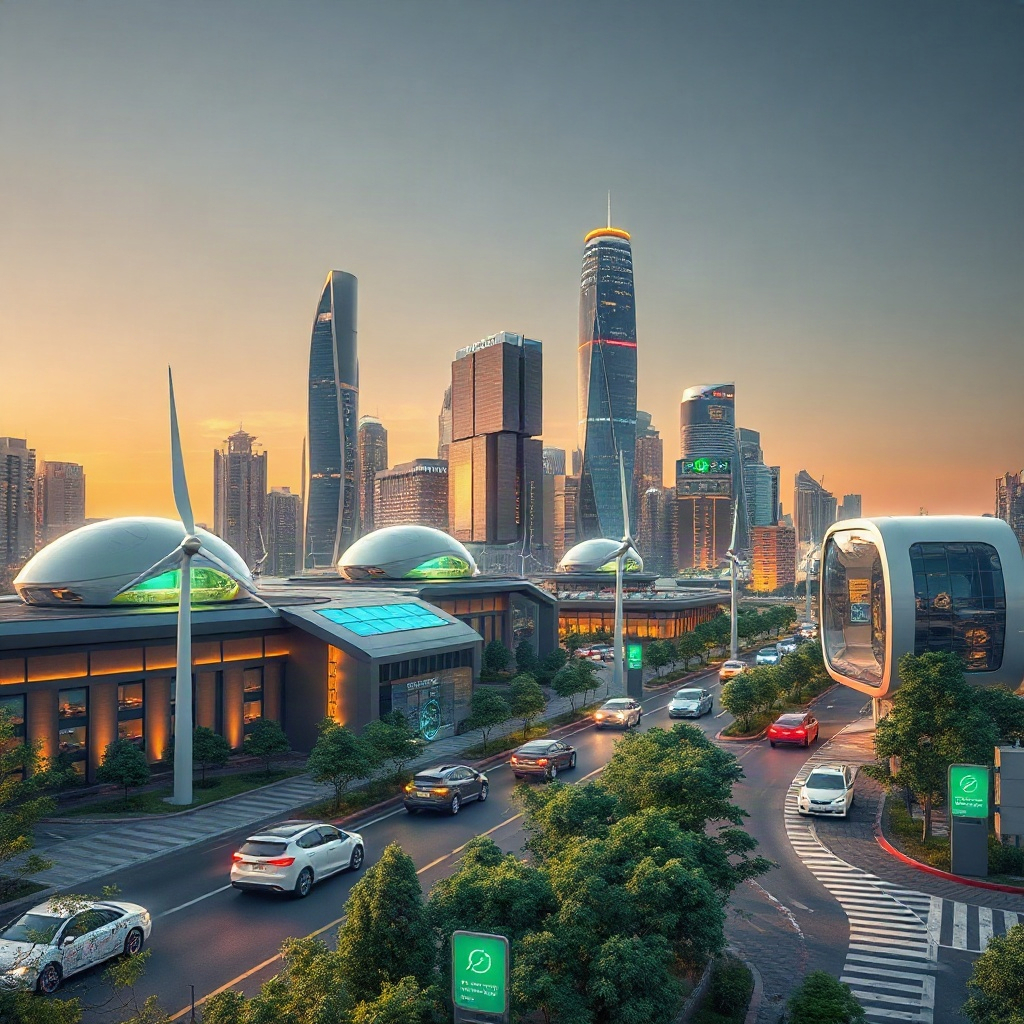
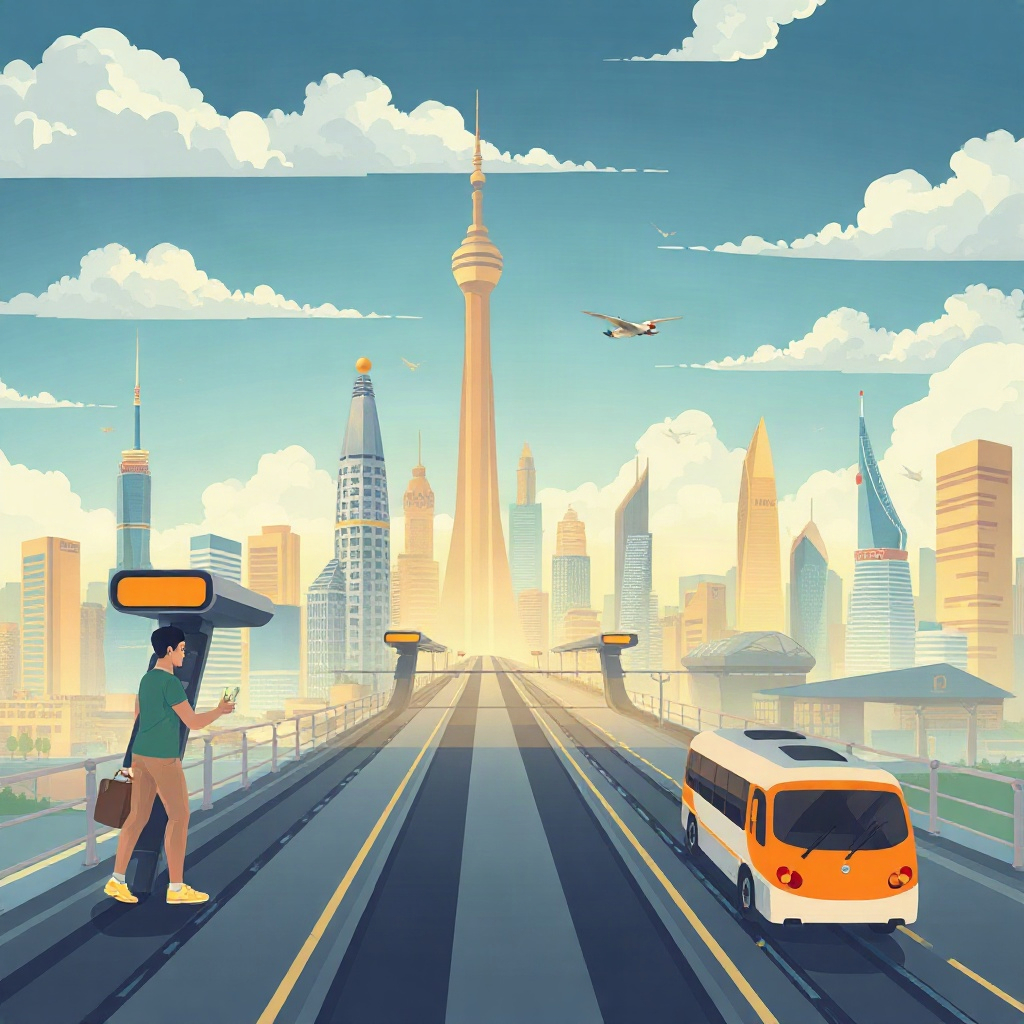
In the transportation sector, AI is driving innovations in autonomous vehicles, route optimization, and traffic management. Jobs in logistics, delivery services, and transportation planning could be transformed by AI technologies. While autonomous vehicles offer the promise of safer and more efficient transportation, they may also raise concerns about job displacement and regulatory challenges. The future of transportation will likely involve a combination of human drivers and AI-powered systems.
The Future Workforce
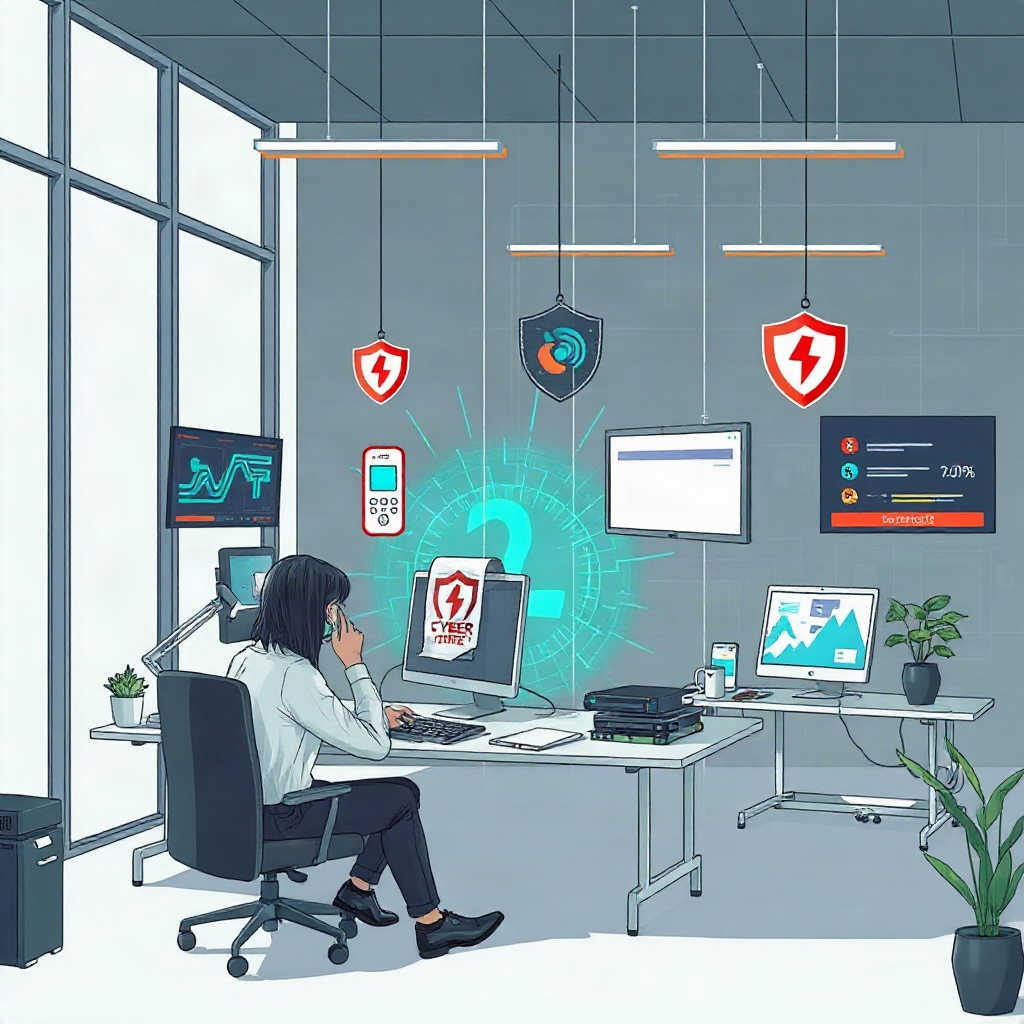
As AI continues to advance, the future workforce will need to adapt to the changing landscape of jobs and skills. While some roles may be automated, new opportunities will emerge in fields such as AI programming, data analysis, and cybersecurity. It is crucial for individuals to acquire the necessary skills to thrive in a tech-driven economy. The future of work will require a blend of human creativity, critical thinking, and technological fluency.
In conclusion, the impact of AI on jobs in the future is inevitable. While automation and AI technologies offer numerous benefits in terms of efficiency and innovation, they also pose challenges in terms of job displacement and ethical considerations. As we navigate this evolving landscape, it is essential to embrace the opportunities that AI presents while also addressing the potential risks. By staying informed and adapting to the changing demands of the workforce, we can shape a future where humans and AI work together harmoniously.