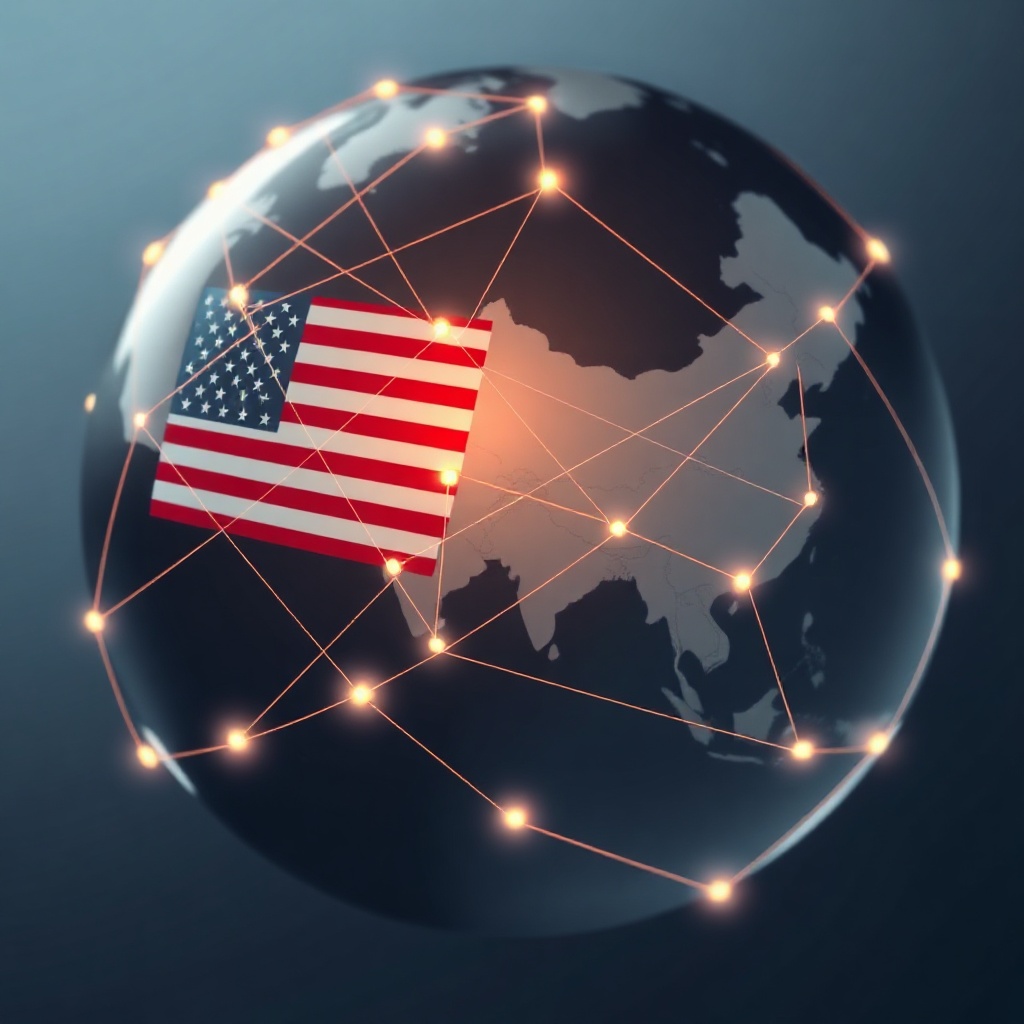
In recent years, the relationship between the United States and China has been a topic of great interest and concern for global markets. The interactions between these two economic powerhouses have a profound impact on the world economy, influencing everything from trade and investment to currency fluctuations. Understanding how US-China relations affect global markets is crucial for investors, policymakers, and businesses alike.
The History of US-China Relations
The history of US-China relations dates back to the early days of the Cold War, when the two countries found themselves on opposite sides of the ideological divide. However, over the years, economic interdependence has grown, shaping the nature of their relationship. From trade agreements to diplomatic tensions, the history of US-China relations is a complex tapestry that continues to evolve.
Trade Wars and Tariffs
One of the most significant ways in which US-China relations impact global markets is through trade wars and tariffs. The imposition of tariffs on goods imported from China, as well as retaliatory measures, can have far-reaching consequences for businesses and consumers around the world. The uncertainty created by these trade disputes can lead to market volatility and economic instability.
Technology and Innovation
Another key aspect of US-China relations is the competition in technology and innovation. Both countries are leaders in areas such as artificial intelligence, 5G technology, and renewable energy. The rivalry between the US and China for technological supremacy has the potential to reshape global markets and industries, as well as influence trade policies and regulations.
Geopolitical Tensions
Geopolitical tensions between the United States and China also play a significant role in shaping global markets. Issues such as territorial disputes, human rights concerns, and military posturing can create uncertainty and risk for investors. The geopolitical landscape is constantly shifting, and the actions of both countries can have ripple effects that reach far beyond their borders.
Market Reactions and Investor Sentiment
The ebb and flow of US-China relations can lead to market reactions and shifts in investor sentiment. Positive developments, such as trade agreements or diplomatic breakthroughs, can boost confidence and drive market growth. Conversely, negative news or escalating tensions can lead to sell-offs and market downturns. Understanding how to interpret and navigate these fluctuations is essential for investors.
Future Perspectives and Opportunities
Looking ahead, the future of US-China relations will continue to be a key factor in shaping global markets. As both countries navigate complex economic, political, and social challenges, opportunities for collaboration and competition will arise. The evolving dynamics between the US and China will have a lasting impact on the world economy, presenting both risks and rewards for those involved.