The global economy is facing a myriad of challenges and risks that could potentially impact the financial stability of countries around the world. In this article, we will delve into the key risks facing the global economy and explore their potential implications.
Economic Uncertainty and Volatility
Economic uncertainty and volatility have become major issues in the global economy, particularly in the wake of the COVID-19 pandemic. The sudden onset of the pandemic led to widespread job losses, supply chain disruptions, and a sharp decline in consumer spending. As countries grapple with the economic fallout of the pandemic, uncertainty remains high, leading to increased market volatility and a lack of investor confidence.
Trade Wars and Protectionism
Trade wars and protectionist policies have the potential to disrupt global trade flows and hinder economic growth. The ongoing trade tensions between the United States and China, as well as other countries, have led to increased tariffs and barriers to trade. This has not only impacted global supply chains but also raised concerns about the long-term implications for economic growth and stability.
Climate Change and Environmental Risks
Climate change poses a significant threat to the global economy, with extreme weather events, natural disasters, and environmental degradation impacting businesses and communities worldwide. The increasing frequency and intensity of these events have the potential to disrupt supply chains, increase insurance costs, and create financial instability. Addressing climate change and mitigating its impact is crucial for long-term economic sustainability.
Geopolitical Tensions
Geopolitical tensions, including conflicts between countries, political instability, and security threats, have the potential to disrupt global markets and hinder economic growth. The ongoing tensions in regions such as the Middle East, Eastern Europe, and Asia have created uncertainty and raised concerns about the stability of the global economy. Finding diplomatic solutions to these conflicts is essential for maintaining a peaceful and prosperous global economy.
Technological Disruption
Technological disruption, including the rise of artificial intelligence, automation, and digital currencies, has the potential to revolutionize industries and create new economic opportunities. However, these advancements also pose risks, such as job displacement, data security threats, and regulatory challenges. Adapting to technological change and harnessing its potential for economic growth is crucial for staying competitive in the global marketplace.
Financial Instability
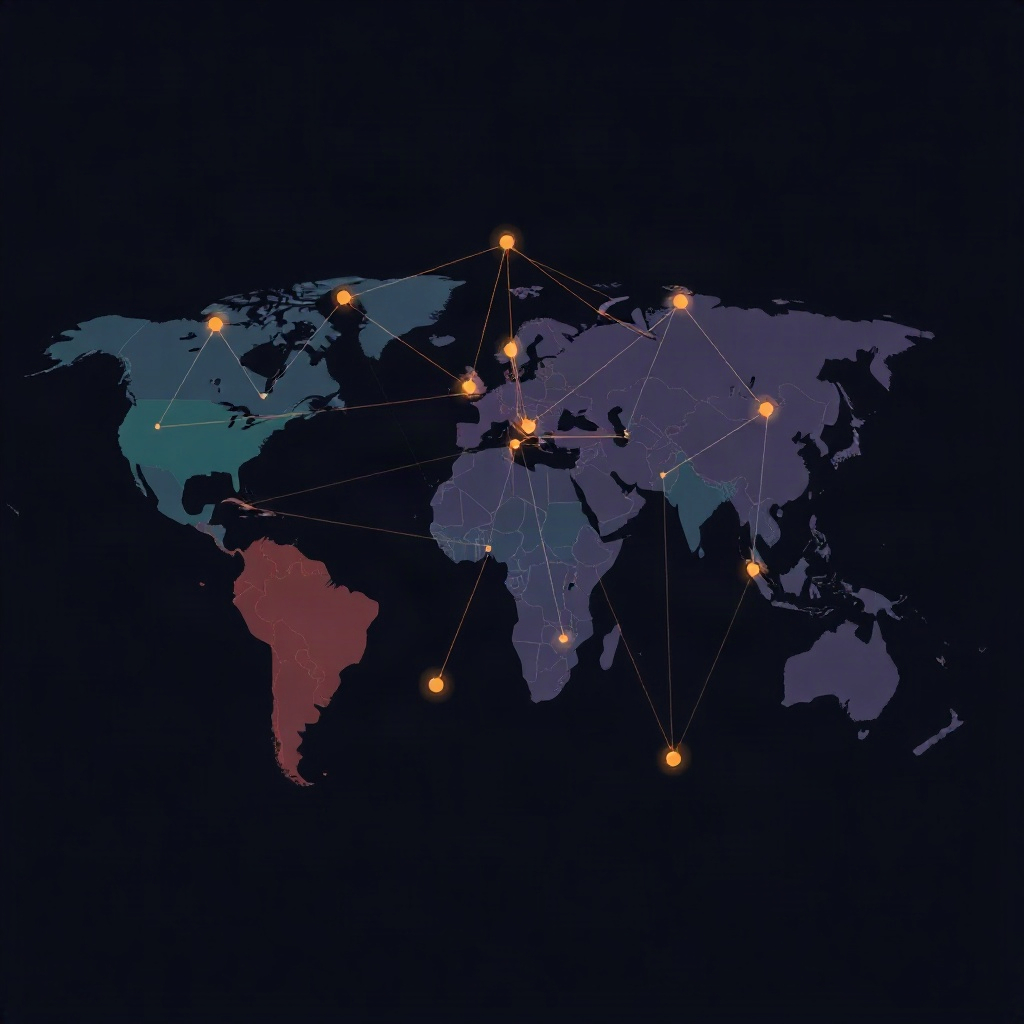
Financial instability, including risks in the banking sector, stock market fluctuations, and debt crises, can have far-reaching consequences for the global economy. The interconnected nature of financial markets means that a crisis in one country can quickly spread to others, creating a domino effect that impacts economies worldwide. Strengthening financial regulations, improving risk management practices, and fostering transparency are essential for safeguarding against financial instability.
In conclusion, the global economy is facing a range of risks and challenges that require proactive and coordinated action to mitigate their impact. By addressing economic uncertainty, trade tensions, climate change, geopolitical conflicts, technological disruption, and financial instability, countries can work towards a more resilient and sustainable global economy.