Demographic changes have always played a crucial role in shaping the economy of a country. As the population composition shifts, it brings about various implications for different sectors. In this article, we will delve into the significant effects of demographic changes on the economy and explore what these changes mean for the future.
The Aging Population and Its Economic Impact
The aging population is a demographic trend that has substantial economic implications. As the proportion of elderly individuals increases, there is a greater demand for healthcare services and retirement benefits. This can put pressure on the government’s finances, leading to higher taxes or reduced public services. Moreover, a shrinking workforce due to an aging population can result in slower economic growth and productivity.
Urbanization and Economic Growth
Urbanization is another demographic change that can significantly impact the economy. As more people move from rural areas to urban centers, there is a surge in demand for housing, infrastructure, and services. This can stimulate economic growth, create employment opportunities, and attract investments. However, rapid urbanization can also lead to challenges such as congestion, pollution, and inequality if not managed effectively.
The Rise of the Millennial Generation
The millennial generation, born between 1981 and 1996, is now a major force in the workforce and consumer market. Their preferences, values, and spending habits have reshaped industries such as technology, retail, and entertainment. Companies need to adapt to cater to the needs of millennials, who prioritize sustainability, diversity, and convenience. Understanding and targeting this demographic group is crucial for businesses to thrive in the modern economy.
Gender Dynamics in the Workplace
Gender dynamics in the workplace have evolved over the years, with more women entering the workforce and pursuing leadership roles. Gender diversity in companies has been linked to improved performance and innovation. However, there are still challenges such as the gender pay gap and underrepresentation of women in certain industries. Addressing these issues can lead to a more equitable and prosperous economy.
Immigration and Economic Development
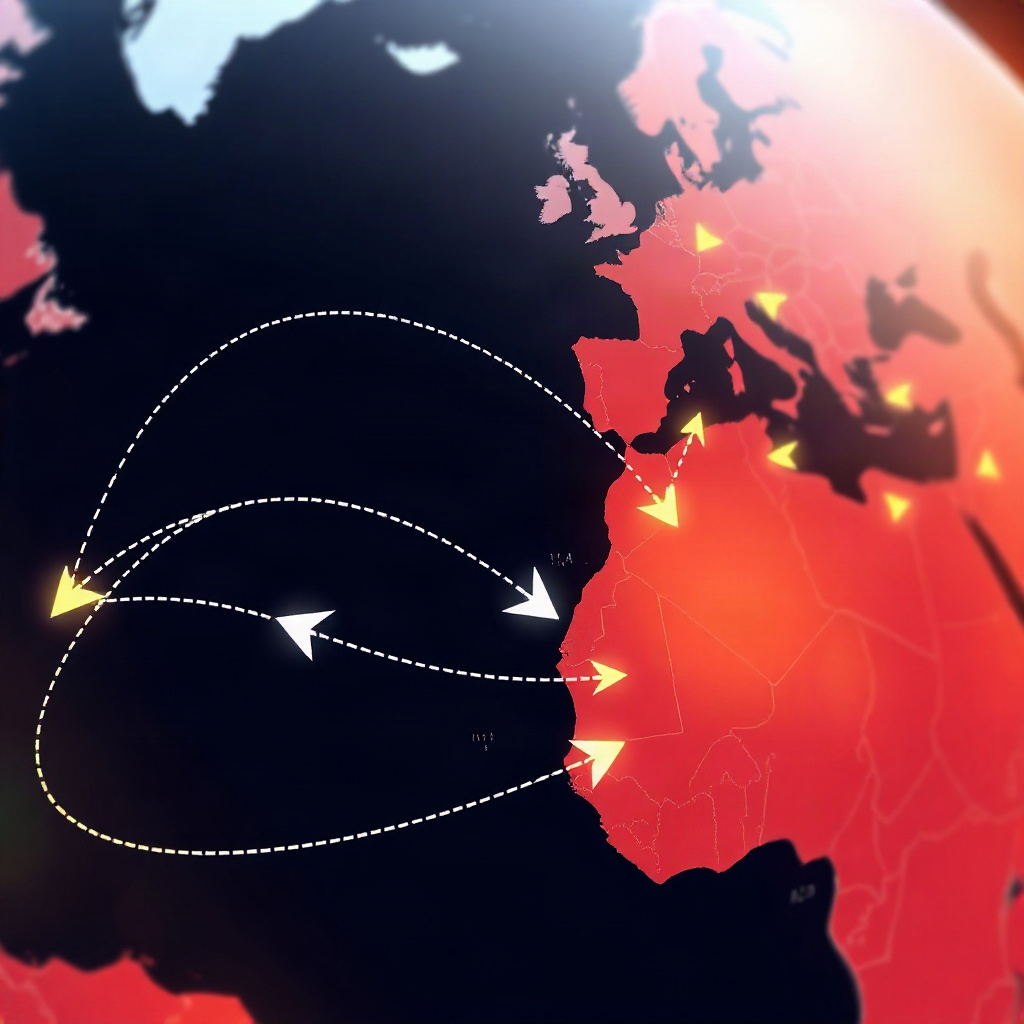
Immigration plays a vital role in shaping the demographic landscape of a country and fueling economic growth. Immigrants bring diverse skills, perspectives, and entrepreneurial spirit to the workforce. They contribute to innovation, cultural enrichment, and labor market flexibility. However, immigration policies and integration efforts need to be carefully managed to maximize the benefits of immigration while addressing concerns about job competition and social cohesion.
Technological Advancements and Job Displacement
Technological advancements such as automation and artificial intelligence have transformed the labor market and led to job displacement in certain sectors. While these innovations bring efficiency and productivity gains, they also raise concerns about job security and income inequality. Upskilling and retraining programs are essential to equip workers with the skills needed for the digital economy and ensure a smooth transition to new employment opportunities.
Environmental Sustainability and Economic Resilience
Environmental sustainability has become a pressing issue as the world faces climate change and resource depletion. Demographic changes can influence attitudes towards sustainability and drive demand for green products and services. Transitioning to a sustainable economy can create new job opportunities in renewable energy, conservation, and eco-friendly technologies. Investing in sustainability is not only crucial for the environment but also for long-term economic resilience.