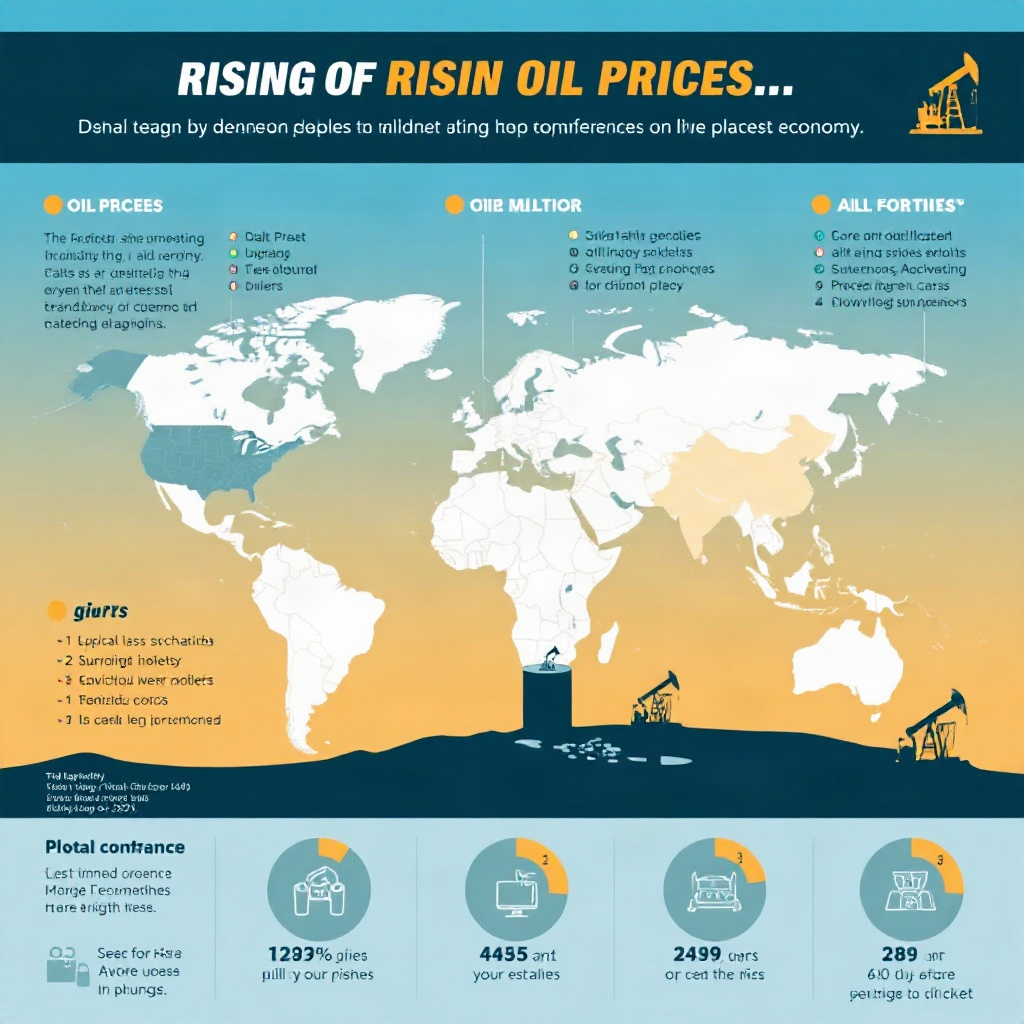
The recent surge in oil prices has brought about significant changes in the global economy. As the backbone of many industries, the fluctuation in oil prices can have far-reaching effects on various sectors. In this article, we will explore the implications of rising oil prices on the economy and how it impacts businesses and consumers alike.
The Relationship between Oil Prices and Economic Growth
Oil prices have a direct correlation with economic growth. When oil prices rise, businesses incur higher production costs, leading to an increase in prices for consumers. This inflationary pressure can slow down economic growth as consumers cut back on spending due to increased expenses.
Impact on Businesses
For businesses, rising oil prices mean higher operating costs. Industries heavily reliant on oil, such as transportation and manufacturing, feel the impact more acutely. As businesses struggle to absorb the increased costs, they may have to raise prices, reduce production, or even lay off workers to stay afloat.
Consumer Spending Behavior
Consumers are also affected by rising oil prices. As the cost of goods and services increases, disposable income decreases. This, in turn, leads to a decline in consumer spending, which can have a ripple effect on the economy. Reduced consumer spending can slow down economic growth and lead to a decrease in overall demand.
Global Trade Dynamics
The impact of rising oil prices is not limited to individual countries. In today’s interconnected world, fluctuations in oil prices can have a domino effect on global trade dynamics. Higher oil prices can lead to increased shipping costs, impacting the price of imported goods and affecting trade balances between countries.
Government Policies and Response
Governments play a crucial role in mitigating the impact of rising oil prices on the economy. Through fiscal and monetary policies, governments can stimulate economic growth, control inflation, and provide relief to businesses and consumers affected by the price hikes. Policy responses to rising oil prices vary by country and can have long-term implications for the economy.
Future Outlook and Strategies
As oil prices continue to fluctuate, businesses and governments must adapt to the changing economic landscape. Developing sustainable energy sources, investing in renewable technologies, and diversifying energy portfolios are essential strategies to mitigate the impact of rising oil prices. By embracing innovation and adopting forward-thinking policies, economies can build resilience against future oil price shocks.