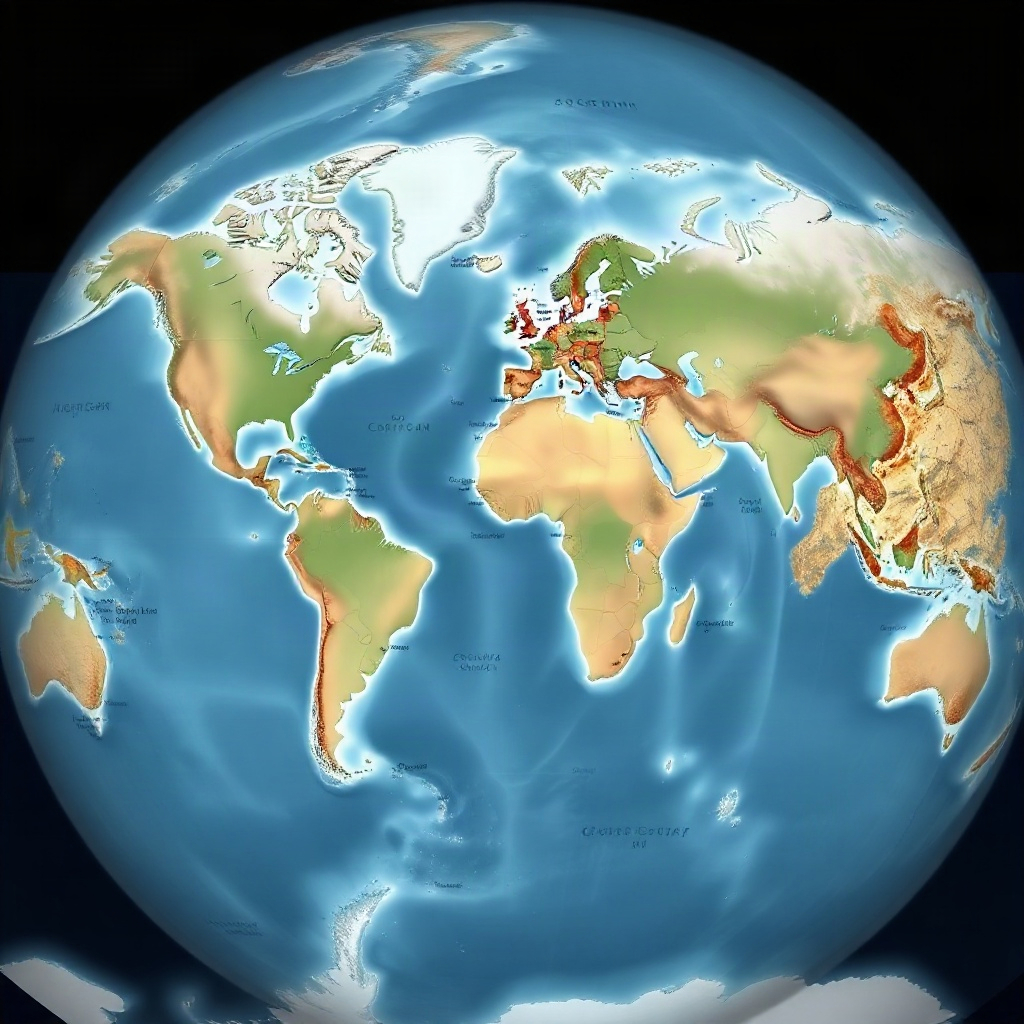
Buffer states play a crucial role in international relations, acting as a buffer between powerful neighboring countries to maintain stability and peace in the region. In this article, we will explore the meaning, role, and limits of buffer states in the global political landscape.
The Concept of Buffer States
A buffer state is a sovereign state situated between two or more rival or potentially hostile powers. Its primary purpose is to prevent direct contact and conflict between the neighboring countries by creating a buffer zone. These states often serve as a neutral territory, helping to reduce tensions and maintain peace in the region.
Historical Examples of Buffer States
Throughout history, various buffer states have played significant roles in preventing conflicts and maintaining stability. For example, Mongolia served as a buffer between China and Russia, while Afghanistan acted as a buffer between the British Empire and the Russian Empire during the Great Game in the 19th century.
The Role of Buffer States in Modern Politics
In today’s world, buffer states continue to play a vital role in international relations. Countries like Ukraine and Finland act as buffers between Russia and NATO, helping to prevent direct confrontation and conflict. These states often face challenges in balancing their relationships with neighboring powers while maintaining their sovereignty and independence.
Challenges and Limits Faced by Buffer States
Despite their importance, buffer states face various challenges and limits in the modern political landscape. They often struggle to maintain their neutrality and independence, as powerful countries may seek to exert influence or control over them. Additionally, these states may become targets of aggression or intervention if the balance of power shifts in the region.
The Future of Buffer States
As global dynamics continue to evolve, the role of buffer states in international relations is likely to change. With the rise of new geopolitical challenges and conflicts, the importance of maintaining stability and peace in buffer zones becomes increasingly crucial. The future of these states will depend on their ability to navigate complex political landscapes and protect their sovereignty.
Conclusion
In conclusion, buffer states play a vital role in maintaining peace and stability in the international political arena. By serving as neutral territories between rival powers, these states help to prevent conflicts and promote diplomatic solutions. As the world continues to face new challenges, the significance of buffer states in global politics cannot be underestimated.