The relationship between economic recessions and stock markets is a topic of interest for many investors and economists. Understanding how economic downturns affect stock market performance can provide valuable insights for making investment decisions. In this article, we will explore the various ways in which economic recessions impact stock markets, and discuss strategies for navigating these challenging times.
The Impact of Economic Recessions on Stock Markets
Economic recessions can have a significant impact on stock markets. During periods of recession, consumer spending tends to decline, leading to lower corporate profits and reduced economic activity. This can result in lower stock prices and increased market volatility. Investors may become more risk-averse and sell off their investments, further contributing to market declines. It is essential for investors to be aware of these potential risks and adjust their investment strategies accordingly.
Historical Trends in Stock Market Performance During Recessions
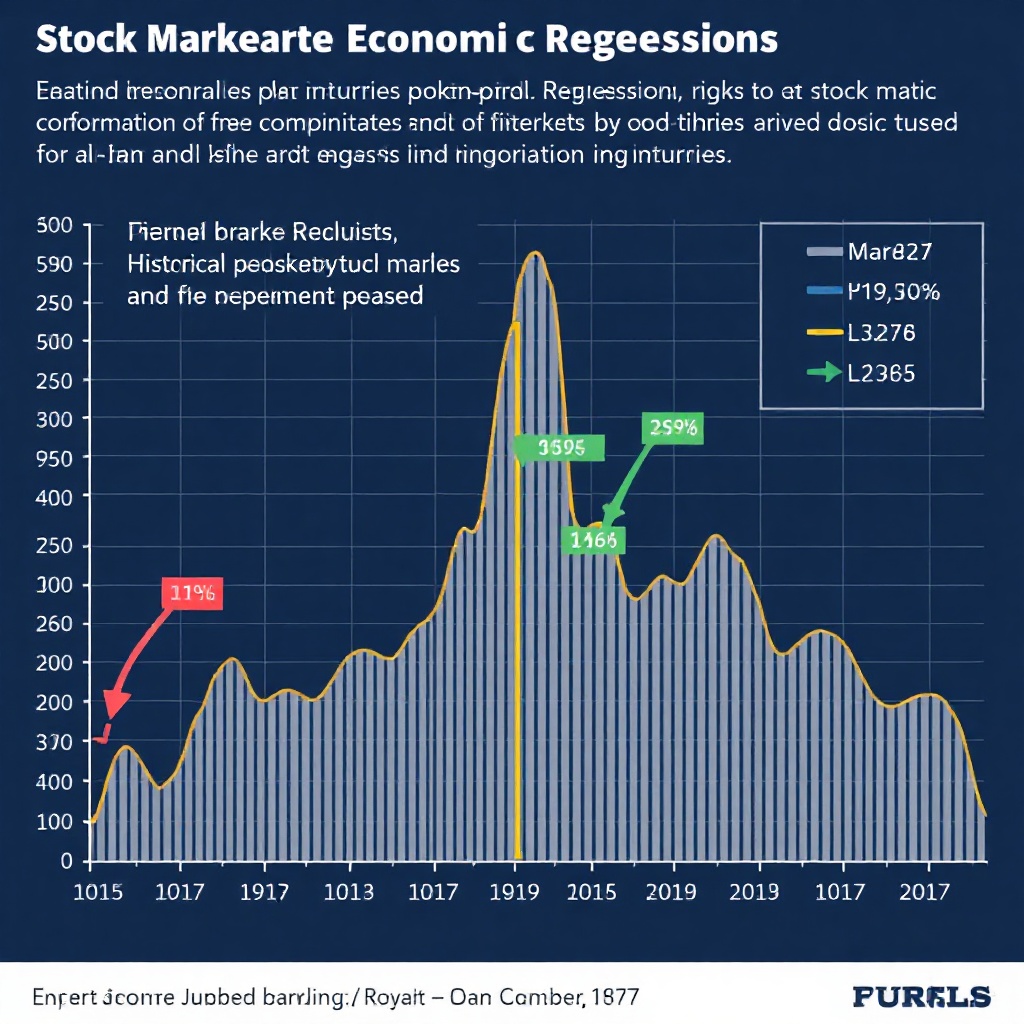
Historical data shows that stock markets tend to experience significant fluctuations during economic recessions. While some sectors may be more resilient than others, overall market performance can be negatively impacted by economic downturns. Understanding how different industries and companies perform during recessions can help investors make informed decisions about their investment portfolios. Diversification and risk management are key strategies for mitigating the impact of economic recessions on stock market investments.
Strategies for Investing During Economic Recessions
Investing during economic recessions requires a cautious and strategic approach. One strategy is to focus on defensive sectors that are less sensitive to economic cycles, such as healthcare and consumer staples. These sectors tend to perform better during recessions and provide stability to a portfolio. Another strategy is to invest in dividend-paying stocks, which can provide a source of income during periods of market volatility. Additionally, maintaining a diversified portfolio and regularly reviewing investment allocations can help investors navigate the challenges of economic recessions.
The Role of Government Policies in Mitigating Stock Market Volatility
Government policies play a crucial role in mitigating stock market volatility during economic recessions. Central banks may implement monetary stimulus measures, such as lowering interest rates or quantitative easing, to support the economy and stabilize financial markets. Fiscal policies, such as government spending programs and tax cuts, can also help stimulate economic growth and boost investor confidence. By closely monitoring government actions and their impact on the economy, investors can better position themselves to navigate the uncertainties of economic recessions.
The Importance of Long-Term Investment Strategies
During economic recessions, it is essential for investors to focus on long-term investment strategies rather than short-term market fluctuations. While stock markets may experience volatility in the short term, a well-diversified portfolio with a long-term perspective can help investors weather the storm. By staying informed about market trends, conducting thorough research, and seeking guidance from financial advisors, investors can build a resilient investment portfolio that can withstand the challenges of economic recessions.
Conclusion
In conclusion, economic recessions can have a significant impact on stock markets, leading to increased volatility and market uncertainty. By understanding the various ways in which economic downturns affect stock market performance and implementing strategic investment strategies, investors can navigate these challenging times and position themselves for long-term success. It is crucial to stay informed, remain disciplined, and adopt a patient approach to investing during economic recessions.