Purchasing power parity (PPP) is a crucial concept in economics that allows us to compare prices across different countries. It helps us understand the relative value of currencies and the cost of goods and services in various parts of the world. In this article, we will delve into the intricacies of purchasing power parity and how it impacts international trade and investments.
Understanding Purchasing Power Parity
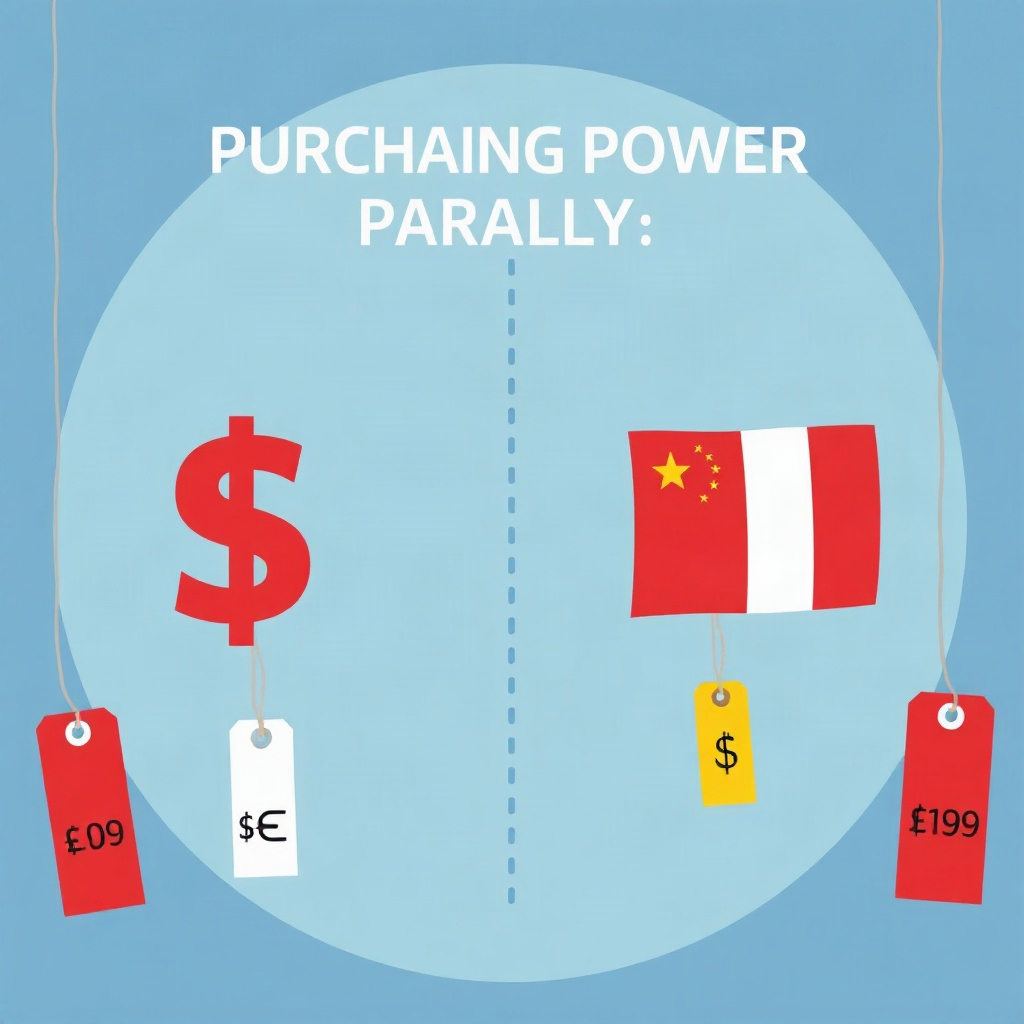
Purchasing power parity is a theory that suggests that in the long run, exchange rates between currencies should adjust to equalize the prices of a basket of goods and services in different countries. This means that a certain amount of money should have the same purchasing power regardless of where it is spent. PPP is essential for comparing living standards and economic performance across nations.
The Big Mac Index A Fun Way to Understand PPP
The Big Mac Index, published annually by The Economist, is a lighthearted yet insightful way to demonstrate the concept of purchasing power parity. By comparing the prices of a Big Mac burger in various countries, the index highlights the differences in currency values and cost of living. It serves as a simple illustration of how PPP works in practice.
Implications of PPP on International Trade
Purchasing power parity has significant implications for international trade. If a country’s currency is overvalued according to PPP, its exports become more expensive, making them less competitive in the global market. Conversely, an undervalued currency can boost exports by making them cheaper for foreign buyers. Understanding PPP helps policymakers make informed decisions to maintain a balanced trade relationship.
Challenges in Calculating PPP
While the concept of purchasing power parity seems straightforward, calculating it accurately is a complex task. Factors such as non-tradable goods, price level differences, and exchange rate fluctuations can affect the validity of PPP calculations. Economists use various methods and models to estimate PPP and adjust exchange rates for accurate comparisons.
Real-World Applications of PPP
Purchasing power parity plays a crucial role in investment decisions and financial planning. Investors use PPP to determine whether a currency is overvalued or undervalued, which can influence their asset allocation strategies. PPP also helps multinational corporations set pricing strategies for their products in different markets, taking into account currency fluctuations and purchasing power differences.
Conclusion The Significance of Purchasing Power Parity
In conclusion, purchasing power parity is a fundamental concept in economics that allows us to compare prices and living standards across countries. Understanding PPP is essential for policymakers, investors, and businesses to make informed decisions in the global economy. By considering purchasing power parity, we can gain valuable insights into currency values, trade dynamics, and economic development on a global scale.