Liquidity in Financial Markets: A Practical Guide to Spreads, Depth, and Slippage
Financial markets play a crucial role in the global economy, providing a platform for the trading of various financial instruments. Liquidity is a key concept in financial markets, influencing the efficiency and stability of trading. In this article, we will explore the important aspects of liquidity, including spreads, depth, and slippage.
Understanding Liquidity in Financial Markets
Liquidity refers to the ease with which an asset can be bought or sold in the market without causing a significant impact on its price. In liquid markets, there are many buyers and sellers, leading to tight bid-ask spreads and minimal price fluctuations. On the other hand, illiquid markets have fewer participants, resulting in wider spreads and higher price volatility.
The Role of Spreads in Liquidity
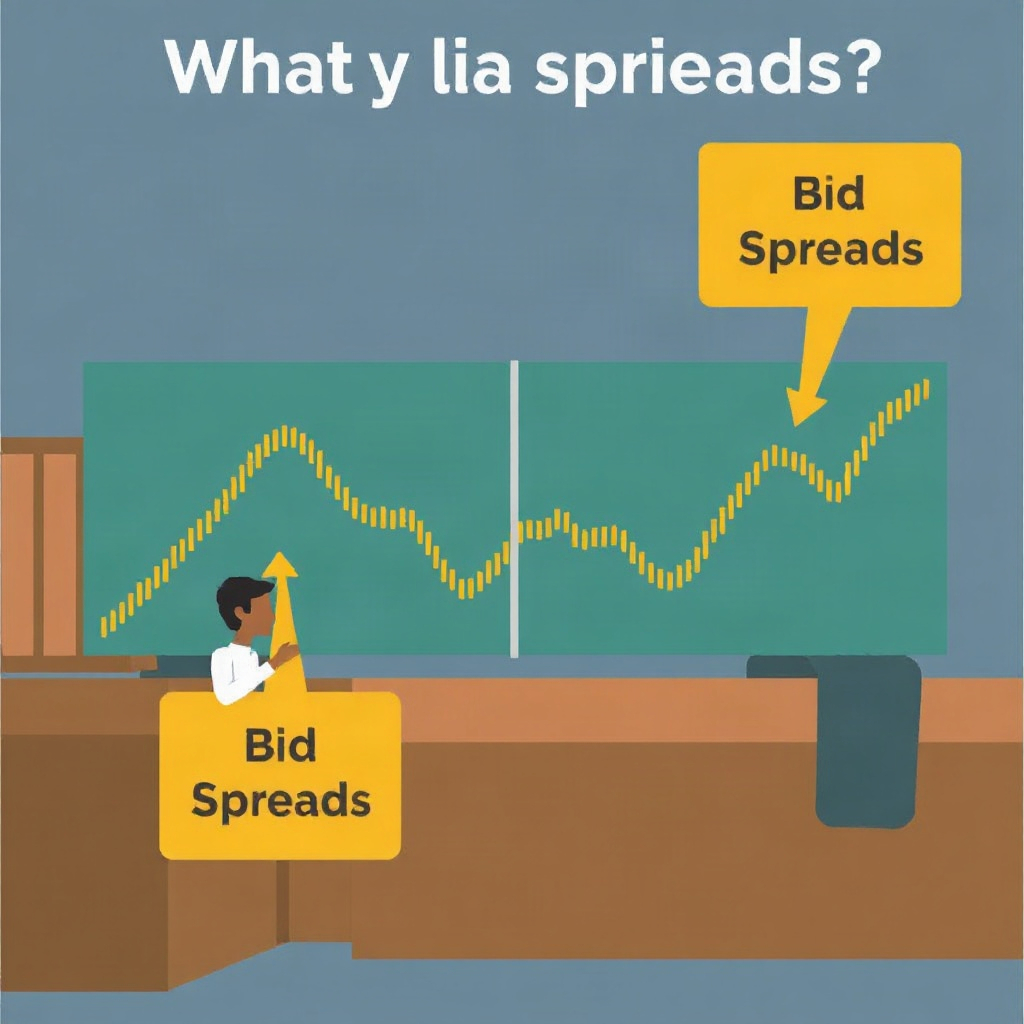
Spreads are the difference between the bid price (the price at which buyers are willing to purchase an asset) and the ask price (the price at which sellers are willing to sell an asset). Tight spreads indicate high liquidity, as there is little difference between buying and selling prices. Wide spreads, on the other hand, suggest low liquidity and higher transaction costs.
Depth of Market and its Impact on Liquidity
Depth of market refers to the volume of buy and sell orders available at different price levels. A deep market has a high number of orders at various price points, indicating robust liquidity. Traders can execute large orders without significantly affecting prices in a deep market. In contrast, a shallow market lacks sufficient order volume, making it difficult to trade large positions without moving prices.
Managing Slippage in Financial Markets
Slippage occurs when a trade is executed at a different price than expected due to market volatility or lack of liquidity. Traders can minimize slippage by using limit orders, which specify the maximum price at which they are willing to buy or sell an asset. By setting clear price parameters, traders can control their execution prices and reduce the impact of slippage on their trades.
Strategies for Enhancing Liquidity in Trading
To improve liquidity in trading, market participants can employ various strategies. One common approach is to use market-making techniques, where traders provide liquidity by continuously quoting bid and ask prices. Another strategy is to participate in dark pools, which are private trading venues that offer increased anonymity and liquidity for large block trades. By diversifying trading venues and utilizing different liquidity sources, traders can optimize their execution quality and minimize transaction costs.
Conclusion
In conclusion, liquidity plays a critical role in financial markets, affecting trading efficiency and price stability. By understanding spreads, depth, and slippage, traders can navigate markets more effectively and make informed trading decisions. By adopting appropriate strategies and risk management techniques, market participants can enhance liquidity in trading and capitalize on market opportunities.