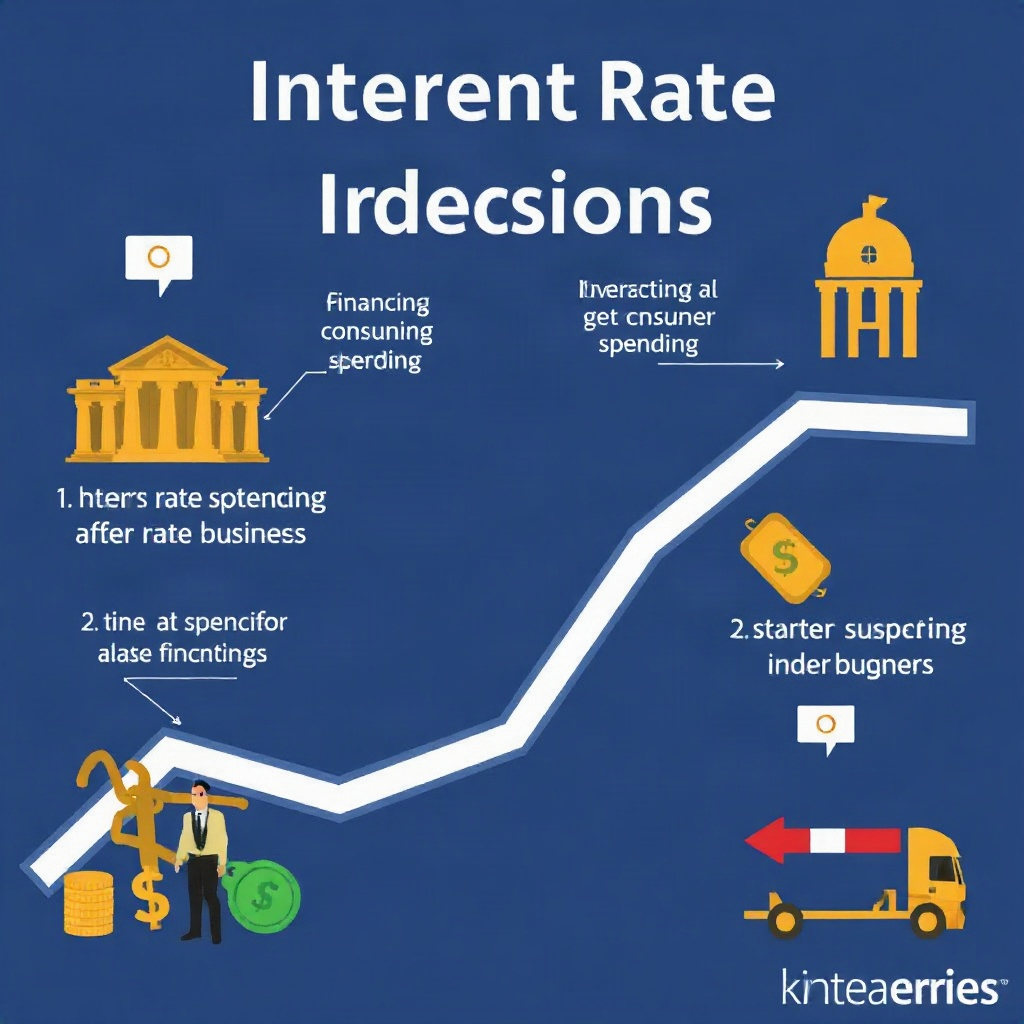
Interest rate decisions made by central banks play a crucial role in shaping the economic landscape, affecting businesses of all sizes in various industries. Understanding how these decisions impact businesses is essential for entrepreneurs, investors, and policymakers alike.
The Role of Interest Rates in Business Financing
Interest rates directly influence the cost of borrowing, making it more expensive or affordable for businesses to access capital. When interest rates are low, businesses are more likely to invest in new projects, expand operations, and hire more employees. Conversely, when interest rates are high, businesses may cut back on spending and delay growth initiatives.
Impact on Consumer Spending and Demand
Changes in interest rates can affect consumer behavior, influencing their purchasing decisions. Lower interest rates can stimulate consumer spending, boosting demand for goods and services. On the other hand, higher interest rates may lead to a decrease in consumer spending, impacting businesses that rely on robust consumer demand.
Exchange Rate Fluctuations and International Trade
Interest rate decisions can also impact exchange rates, affecting businesses engaged in international trade. A country’s interest rates relative to those of other nations can influence the value of its currency. A stronger or weaker currency can impact a company’s competitiveness in global markets, affecting export and import volumes.
Investment Decisions and Capital Allocation
Interest rates play a significant role in shaping investment decisions and capital allocation within businesses. Lower interest rates can make investment projects more attractive, leading to increased capital expenditure. Conversely, higher interest rates may deter businesses from making long-term investments, impacting their growth prospects.
Risk Management and Financial Planning
Fluctuations in interest rates pose risks to businesses, particularly those with high levels of debt or exposure to interest rate-sensitive instruments. Managing interest rate risk is crucial for businesses to protect their financial health and stability. Effective financial planning involves assessing the impact of interest rate changes on cash flow and profitability.
Regulatory Environment and Compliance
Interest rate decisions are often influenced by regulatory policies aimed at maintaining financial stability and controlling inflation. Businesses must stay informed about changes in interest rates and regulatory requirements to ensure compliance and adapt their strategies accordingly. Understanding the regulatory environment is essential for businesses to navigate economic uncertainties effectively.