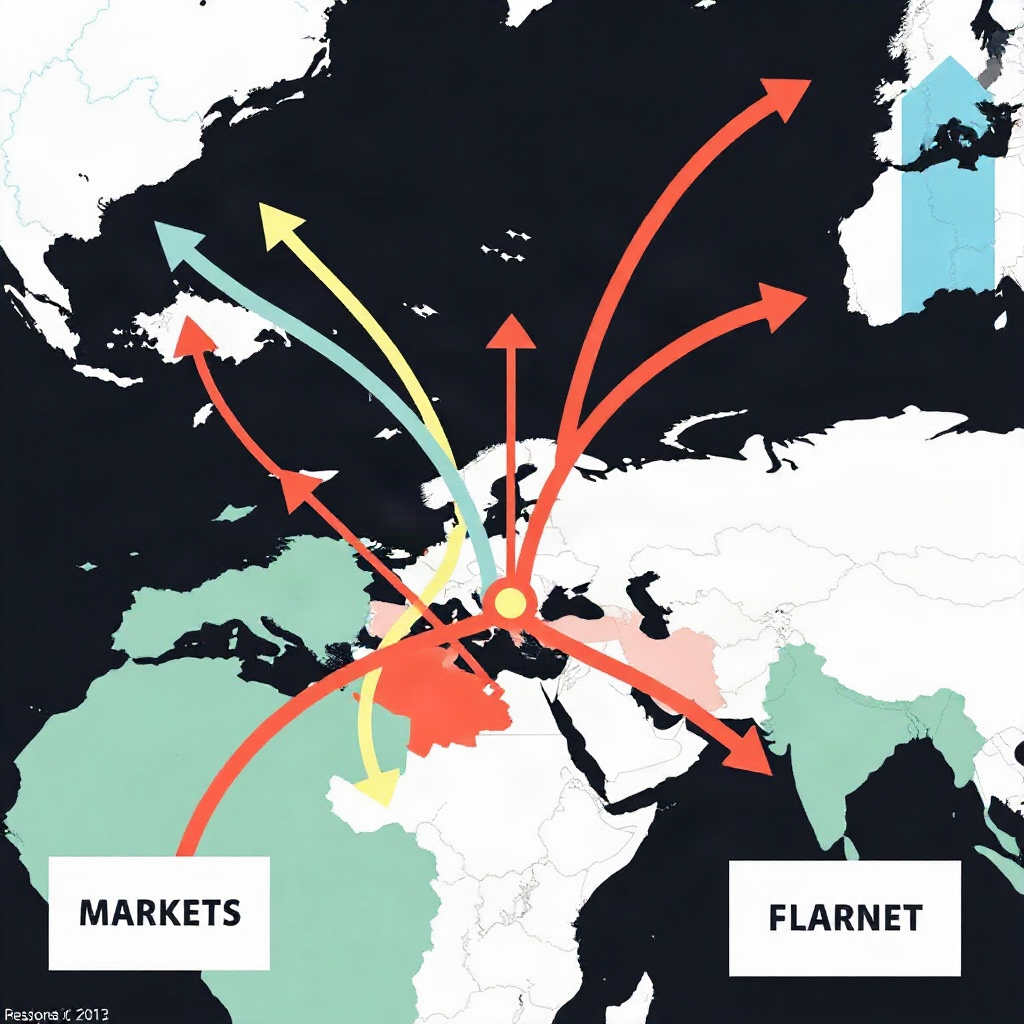
In today’s interconnected world, regional conflicts have a profound impact on global markets. The ripple effects of political unrest, military conflicts, and trade disputes in one part of the world can be felt across continents. Understanding how regional conflicts affect global markets is crucial for investors, policymakers, and businesses operating in a globalized economy.
The Role of Geopolitics in Shaping Global Markets
Geopolitical tensions play a significant role in shaping global markets. When conflicts arise between nations or regions, investors become wary of potential risks and uncertainties. This can lead to market volatility, fluctuations in commodity prices, and disruptions in international trade. Geopolitical events such as wars, sanctions, and territorial disputes can have far-reaching consequences for the global economy.
Impact on Commodity Markets
Regional conflicts often have a direct impact on commodity markets. Countries involved in conflicts may experience disruptions in the production and supply of key commodities such as oil, natural gas, and metals. This can lead to price spikes, supply shortages, and increased production costs for businesses around the world. Investors in commodity markets closely monitor geopolitical developments to assess the potential risks to their investments.
Stock Market Reactions
The stock market is highly sensitive to geopolitical events, including regional conflicts. When tensions escalate or conflicts erupt, stock prices can experience significant fluctuations. Investors may react by selling off stocks perceived as risky and seeking safe-haven assets. Companies with exposure to regions affected by conflicts may see their stock prices decline, while others may benefit from increased demand for their products or services.
Currency Markets and Exchange Rates
Regional conflicts can also impact currency markets and exchange rates. When geopolitical tensions rise, investors may flock to safe-haven currencies such as the US dollar, Swiss franc, or Japanese yen. This can lead to a depreciation of currencies in regions affected by conflicts. Exchange rate fluctuations can affect the competitiveness of exports, the cost of imports, and the profitability of multinational corporations operating in global markets.
Investor Sentiment and Risk Perception
Investor sentiment and risk perception are crucial factors in determining how regional conflicts affect global markets. Negative news or developments in conflict zones can trigger panic selling and market downturns. On the other hand, successful conflict resolution or peace negotiations can boost investor confidence and lead to market rallies. Understanding the psychology of market participants is essential for predicting market reactions to regional conflicts.
Long-Term Implications for Global Economy
The long-term implications of regional conflicts on the global economy are complex and multifaceted. In addition to immediate market impacts, conflicts can have lasting effects on economic growth, trade relations, and geopolitical alliances. Businesses may reassess their investment strategies, supply chains, and risk management practices in response to ongoing conflicts. Policymakers must navigate the challenges of promoting stability and prosperity in a world marked by regional tensions.