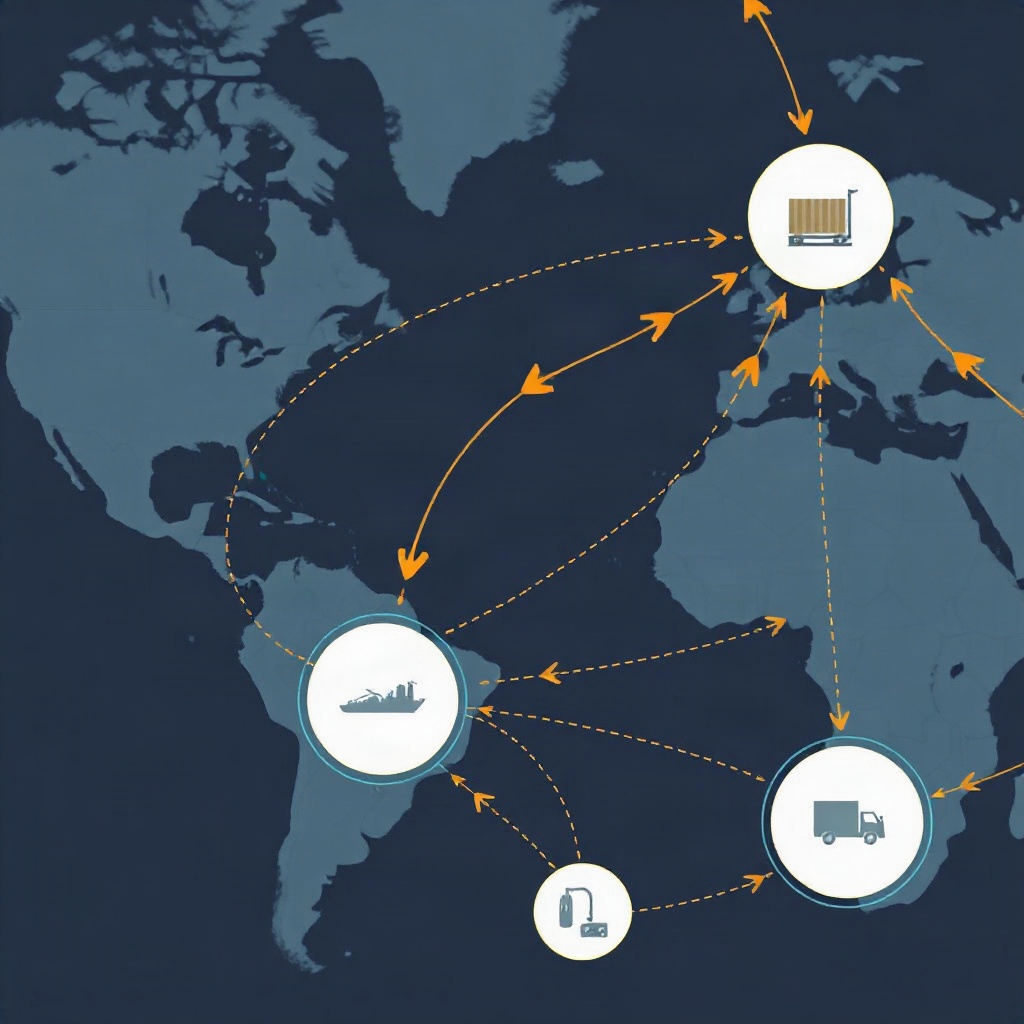
As commodity prices play a crucial role in the global economy, any fluctuations in their values can have a significant impact on various sectors and individuals. When commodity prices increase, it can lead to a chain reaction of effects that reverberate throughout the economy. In this analysis, we will delve into the consequences of rising commodity prices and explore the implications for different stakeholders.
The Relationship Between Supply and Demand
The fundamental principle of economics, the relationship between supply and demand, is particularly evident when commodity prices increase. As demand outstrips supply, prices naturally rise to reflect the scarcity of the resource. This can be driven by various factors such as geopolitical tensions, natural disasters, or changes in consumer preferences.
Effects on Consumer Spending
One of the most immediate impacts of rising commodity prices is felt by consumers. As the cost of raw materials increases, companies often pass on these additional expenses to consumers in the form of higher prices for goods and services. This can lead to a decrease in consumer spending as individuals have less disposable income to allocate towards other purchases.
Challenges for Businesses
For businesses, especially those in industries heavily reliant on commodities, an increase in prices can pose significant challenges. Higher input costs can erode profit margins and force companies to make difficult decisions such as raising prices, cutting costs, or absorbing the additional expenses. This can impact the competitiveness of businesses and their ability to invest in growth opportunities.
Global Economic Implications
The impact of rising commodity prices is not limited to individual sectors or countries but can have far-reaching implications on the global economy. As the cost of raw materials increases, it can lead to inflationary pressures, affecting the purchasing power of consumers and the overall stability of economies. This can also create disparities between developed and developing countries, exacerbating existing inequalities.
Environmental Considerations
Beyond the economic implications, the increase in commodity prices can also have environmental repercussions. In pursuit of higher profits, industries may engage in unsustainable practices that deplete natural resources and harm ecosystems. This can further exacerbate climate change and biodiversity loss, highlighting the need for sustainable resource management practices.
Strategies for Mitigating Risks
In the face of rising commodity prices, stakeholders must adopt proactive strategies to mitigate risks and adapt to changing market conditions. This may involve diversifying supply chains, investing in innovation to reduce resource dependency, and advocating for policies that promote sustainability and responsible resource extraction.