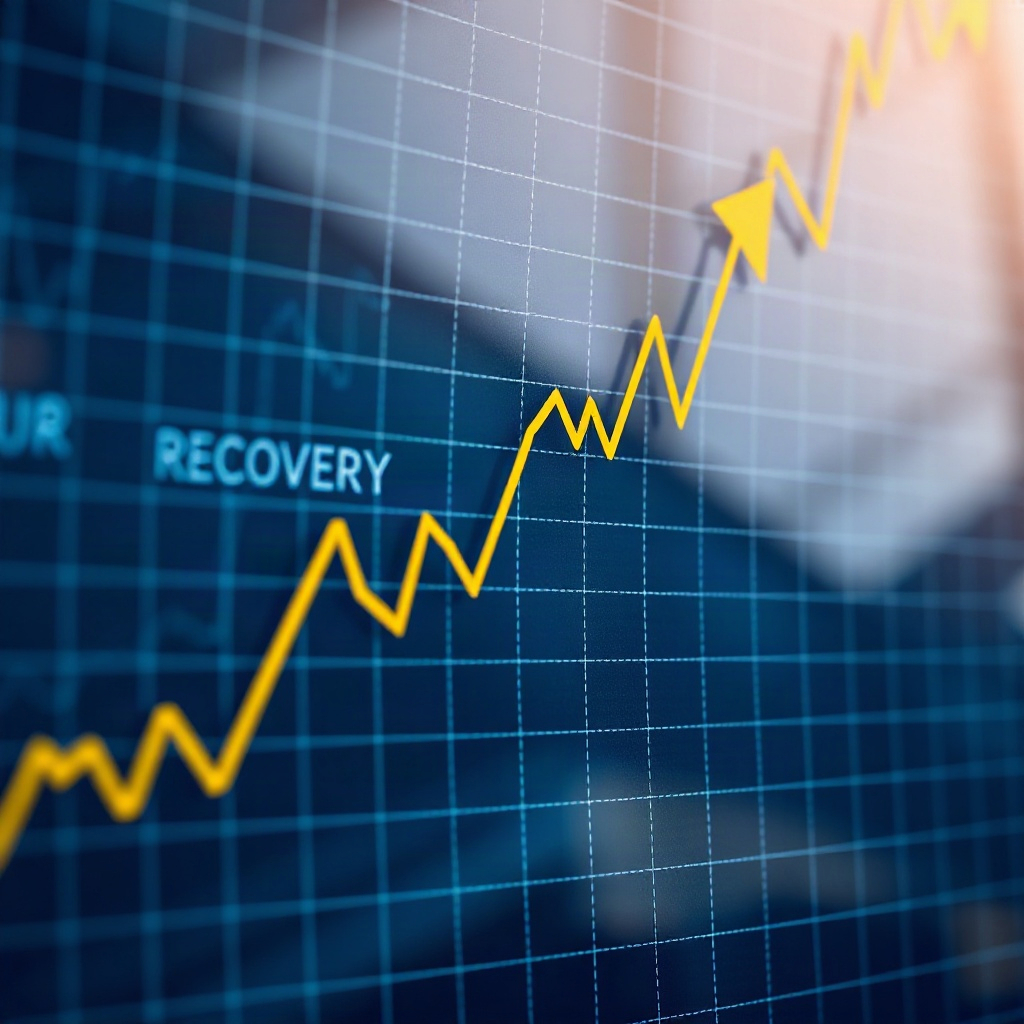
Financial markets are complex systems that are constantly influenced by a variety of factors. One of the most challenging events that financial markets face is a crash, which can have a significant impact on investors, businesses, and the economy as a whole. However, history has shown that financial markets have the ability to recover and bounce back from crashes, often stronger than before. In this article, we will explore how financial markets recover after a crash and the key factors that contribute to their resilience.
Understanding the Causes of a Market Crash
Market crashes can be triggered by a variety of factors, including economic downturns, geopolitical events, and speculative bubbles. Understanding the root causes of a crash is essential in order to effectively navigate the recovery process. By analyzing the factors that led to the crash, investors and policymakers can develop strategies to mitigate future risks and prevent similar events from occurring.
The Role of Investor Sentiment in Market Recovery
Investor sentiment plays a crucial role in the recovery of financial markets after a crash. During a crash, fear and panic can drive investors to sell off their assets in a rush to cut their losses. However, as the market stabilizes and confidence returns, investors may begin to see opportunities for long-term growth and start reinvesting in the market. This shift in sentiment is often a key driver of market recovery.
Government Intervention and Stimulus Measures
In times of crisis, governments and central banks often intervene in the financial markets to stabilize the economy and restore investor confidence. This can take the form of stimulus packages, interest rate cuts, or regulatory changes aimed at boosting economic growth and supporting businesses. Government intervention can play a critical role in kickstarting the recovery process and restoring stability to the financial markets.
The Impact of Technological Advancements on Market Recovery
Technological advancements have revolutionized the way financial markets operate, making them more efficient and resilient in the face of crises. Automated trading algorithms, real-time data analytics, and digital platforms have all contributed to the speed and efficiency of market recovery processes. By leveraging technology, investors and market participants can adapt more quickly to changing conditions and navigate recovery with greater agility.
Building a Diversified Portfolio to Mitigate Risks
Diversification is a key strategy for investors looking to protect their assets and minimize risks during market crashes. By spreading investments across a variety of asset classes, sectors, and regions, investors can reduce their exposure to any single market downturn. Diversification can help cushion the impact of a crash on a portfolio and provide a level of stability during turbulent times.
The Importance of Long-Term Planning and Patience
Patience is a virtue when it comes to recovering from a market crash. While the temptation to react impulsively to market fluctuations may be strong, taking a long-term view and sticking to a well-thought-out investment strategy can pay off in the end. By focusing on long-term goals and maintaining a disciplined approach, investors can weather the storm of a crash and emerge stronger on the other side.