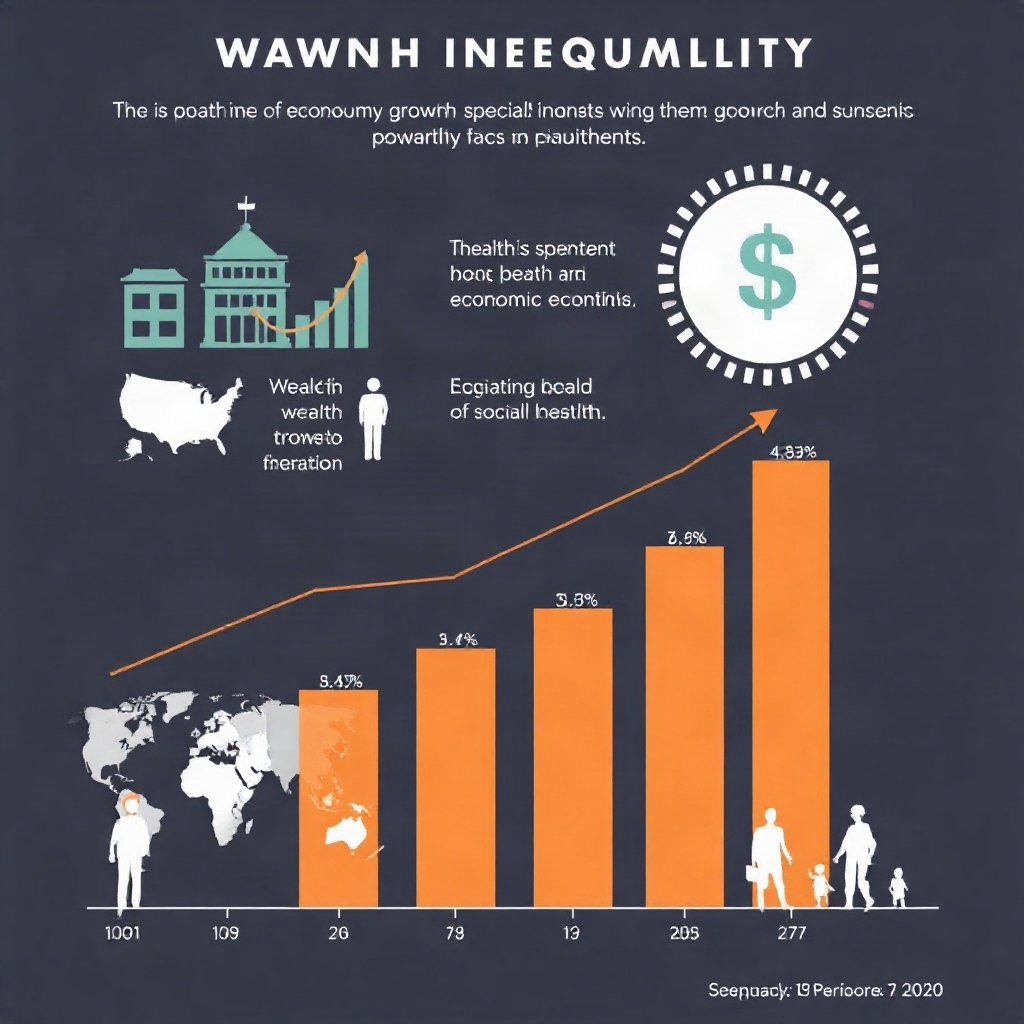
Income inequality has been a hot topic in economic discussions for quite some time now. The distribution of wealth among individuals and the impact it has on economic growth is a subject of great interest. In this analysis, we will delve into the various aspects of how wealth inequality affects economic growth and explore the potential consequences of this imbalance.
The Roots of Wealth Inequality
Wealth inequality is not a new phenomenon. It has its roots in historical factors, societal structures, and government policies. The concentration of wealth in the hands of a few can be traced back to a combination of factors such as inheritance, income disparity, and unequal access to opportunities. Understanding the historical context of wealth inequality is crucial in addressing its impact on economic growth.
Impact on Consumer Spending
One of the key ways in which wealth inequality affects economic growth is through its impact on consumer spending. When wealth is concentrated in the hands of a small percentage of the population, the majority of people have limited purchasing power. This can lead to a decrease in consumer spending, which in turn can slow down economic growth. The disparity in wealth distribution can create a cycle of economic stagnation that is difficult to break.
Investment and Productivity
Wealthy individuals and corporations play a significant role in driving investment and productivity in an economy. However, when wealth is concentrated in the hands of a few, the potential for investment in productive sectors diminishes. This can have a negative impact on economic growth, as investment is crucial for innovation, job creation, and overall economic development. Addressing wealth inequality is essential in ensuring a healthy investment climate for sustainable growth.
Social Cohesion and Stability
Wealth inequality can also have far-reaching social implications, affecting the overall cohesion and stability of a society. When a large portion of the population feels marginalized and excluded from economic opportunities, social unrest and tensions can arise. This can create a volatile environment that hampers economic growth and deters investors. Social cohesion is a key ingredient for a thriving economy, and addressing wealth inequality is vital in fostering a more inclusive society.
Policy Implications and Solutions
Addressing wealth inequality requires a multi-faceted approach that involves policy interventions at both the national and international levels. Governments can implement measures such as progressive taxation, social welfare programs, and investment in education and healthcare to mitigate the effects of wealth inequality. International cooperation is also crucial in tackling global wealth disparities and promoting economic growth in a sustainable manner.
Conclusion
In conclusion, wealth inequality has far-reaching implications for economic growth and social stability. Understanding the root causes of wealth inequality and its impact on consumer spending, investment, and social cohesion is essential in devising effective policy solutions. By addressing wealth inequality through targeted interventions and fostering a more inclusive society, we can pave the way for sustainable economic growth and prosperity for all.