Market volatility is a common occurrence in the financial world, often triggered by global events that impact the economy. These fluctuations can have significant effects on investors, businesses, and the overall market stability. In this article, we will explore how global events create market volatility and the implications of such fluctuations.
The Impact of Political Events
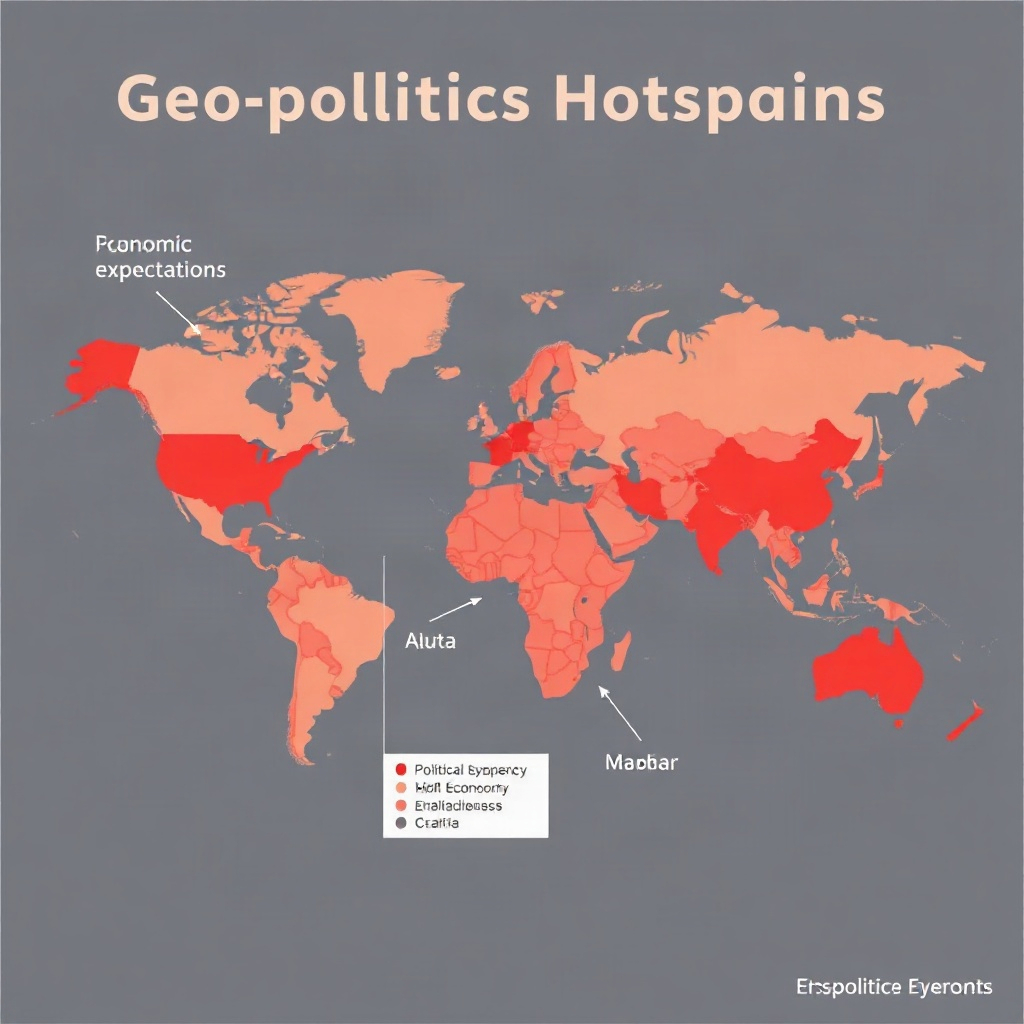
Political events, such as elections, geopolitical tensions, and policy changes, can have a profound impact on market volatility. Uncertainty surrounding political decisions can lead to fluctuations in asset prices, exchange rates, and investor confidence. For example, the Brexit referendum in the UK caused significant volatility in the financial markets, with the value of the British pound plummeting against other major currencies.
Economic Indicators and Market Volatility
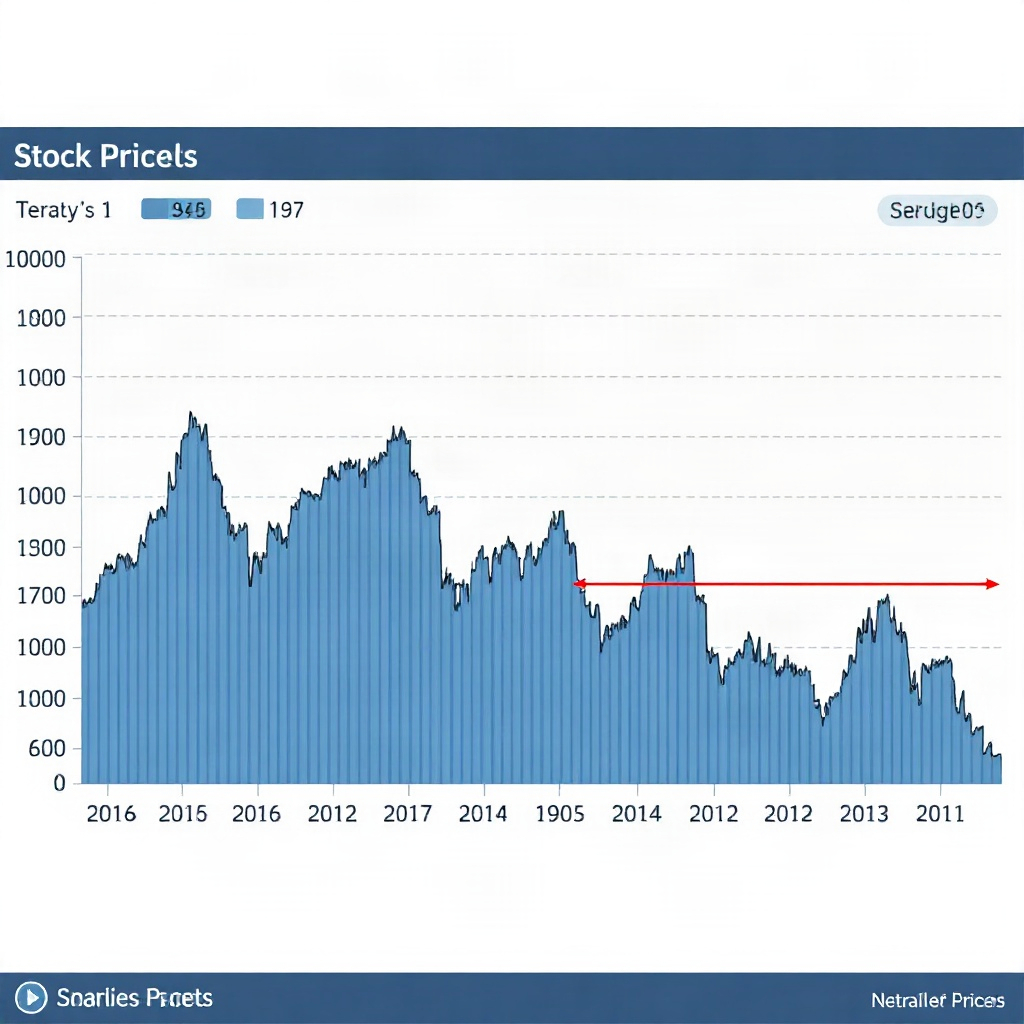
Economic indicators, such as GDP growth, inflation rates, and unemployment figures, play a crucial role in determining market volatility. Positive or negative economic data releases can lead to sharp movements in stock prices, bond yields, and commodity prices. For instance, a sudden increase in inflation rates may trigger a sell-off in the stock market as investors fear a potential economic slowdown.
Natural Disasters and Market Reactions
Natural disasters, such as hurricanes, earthquakes, and pandemics, can also create market volatility. These events can disrupt supply chains, damage infrastructure, and impact consumer confidence, leading to fluctuations in stock prices and commodity markets. The COVID-19 pandemic, for example, caused a global market crash in early 2020 as countries implemented lockdown measures to curb the spread of the virus.
Technological Advancements and Market Trends
Technological advancements, such as artificial intelligence, blockchain, and renewable energy, can influence market volatility by creating new investment opportunities and disrupting existing industries. Innovative technologies can lead to rapid changes in consumer behavior, market dynamics, and competitive landscapes, affecting stock valuations and market trends. Companies that fail to adapt to these technological shifts may experience significant volatility in their stock prices.
Social Media and Market Sentiment
Social media platforms have become influential sources of market sentiment, with news, rumors, and opinions spreading rapidly among investors. A single tweet or post from a prominent figure can trigger volatility in stock prices, as seen in the case of Elon Musk’s tweets about cryptocurrencies. The power of social media in shaping market sentiment highlights the need for investors to stay informed and discern reliable sources of information.
Global Trade Relations and Market Uncertainty
Global trade relations, trade agreements, and tariffs can create uncertainty in the market, leading to fluctuations in stock prices and currency valuations. Trade disputes between major economies, such as the US-China trade war, have caused market volatility and disrupted supply chains worldwide. The outcome of trade negotiations and the implementation of trade policies can significantly impact investor confidence and market stability.
In conclusion, market volatility is often influenced by a combination of global events, economic indicators, technological advancements, and social media trends. Understanding the factors that drive market fluctuations is essential for investors, businesses, and policymakers to navigate the uncertainties of the financial markets. By staying informed, analyzing market trends, and managing risks effectively, stakeholders can better prepare for the impact of global events on market volatility.