Stock markets are complex ecosystems that are influenced by a multitude of factors. From economic indicators to geopolitical events, there are various reasons why stock markets rise and fall. Understanding these factors is crucial for investors and analysts alike in order to make informed decisions. In this article, we will delve into the main causes behind the fluctuations in stock markets.
Market Sentiment and Investor Confidence
Market sentiment plays a significant role in determining the direction of stock markets. Positive news such as strong economic data or corporate earnings can boost investor confidence, leading to a rise in stock prices. On the other hand, negative events like political turmoil or economic downturns can dampen investor sentiment, causing stock markets to fall. It is important to note that investor behavior is often driven by emotions rather than rationality, which can lead to sudden and drastic market movements.
Economic Indicators and Fundamentals
Economic indicators such as GDP growth, inflation rates, and unemployment numbers have a direct impact on stock market performance. Strong economic fundamentals typically lead to higher stock prices, as companies tend to perform well in a healthy economic environment. Conversely, poor economic conditions can drag down stock markets as investors fear a slowdown in corporate profits. Keeping an eye on key economic indicators is essential for predicting market trends.
Corporate Earnings and Performance
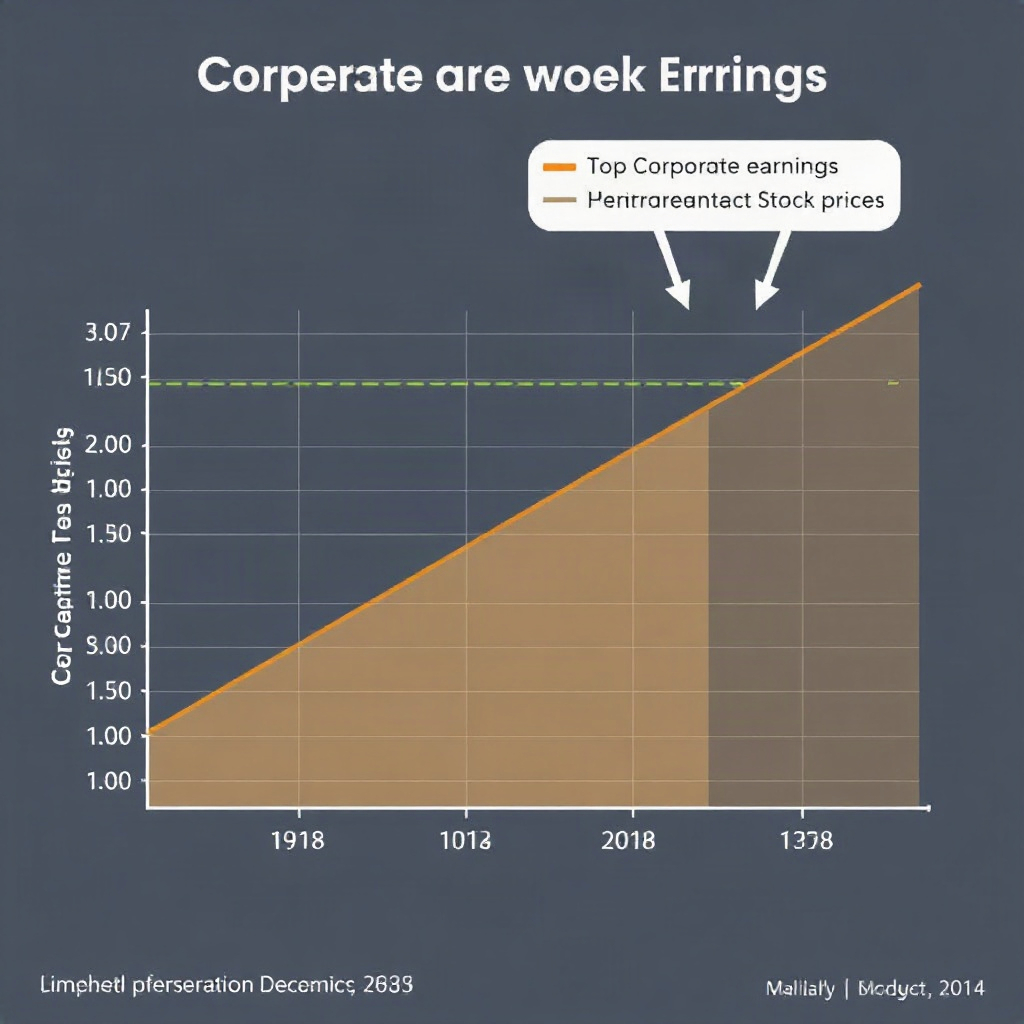
The financial health of individual companies plays a crucial role in driving stock prices. Positive earnings reports and strong performance metrics can attract investors and drive stock prices higher. Conversely, disappointing earnings or a decline in performance can trigger selling pressure and lead to a decline in stock prices. Analysts closely monitor corporate earnings season to gauge the overall health of the stock market.
Interest Rates and Monetary Policy
Central banks play a pivotal role in shaping stock market trends through their monetary policy decisions. Changes in interest rates can impact borrowing costs for companies, which in turn affects their profitability and stock prices. Lower interest rates often lead to higher stock prices as companies benefit from cheaper financing. On the other hand, rising interest rates can put pressure on stock markets as borrowing becomes more expensive.
Geopolitical Events and Uncertainty
Geopolitical events such as trade wars, political instability, and global conflicts can introduce uncertainty into the stock market. Investors are sensitive to geopolitical risks, and any negative developments can lead to a sell-off in stocks. On the other hand, positive resolutions to geopolitical issues can boost investor confidence and drive stock prices higher. It is important to stay informed about geopolitical events and their potential impact on the stock market.
Technological Advancements and Innovation
In today’s digital age, technological advancements and innovation play a significant role in shaping stock market trends. Companies that are at the forefront of innovation often outperform their competitors and attract investor interest. Trends such as artificial intelligence, e-commerce, and renewable energy have the potential to drive stock prices higher. Keeping abreast of technological developments is essential for identifying investment opportunities in the stock market.