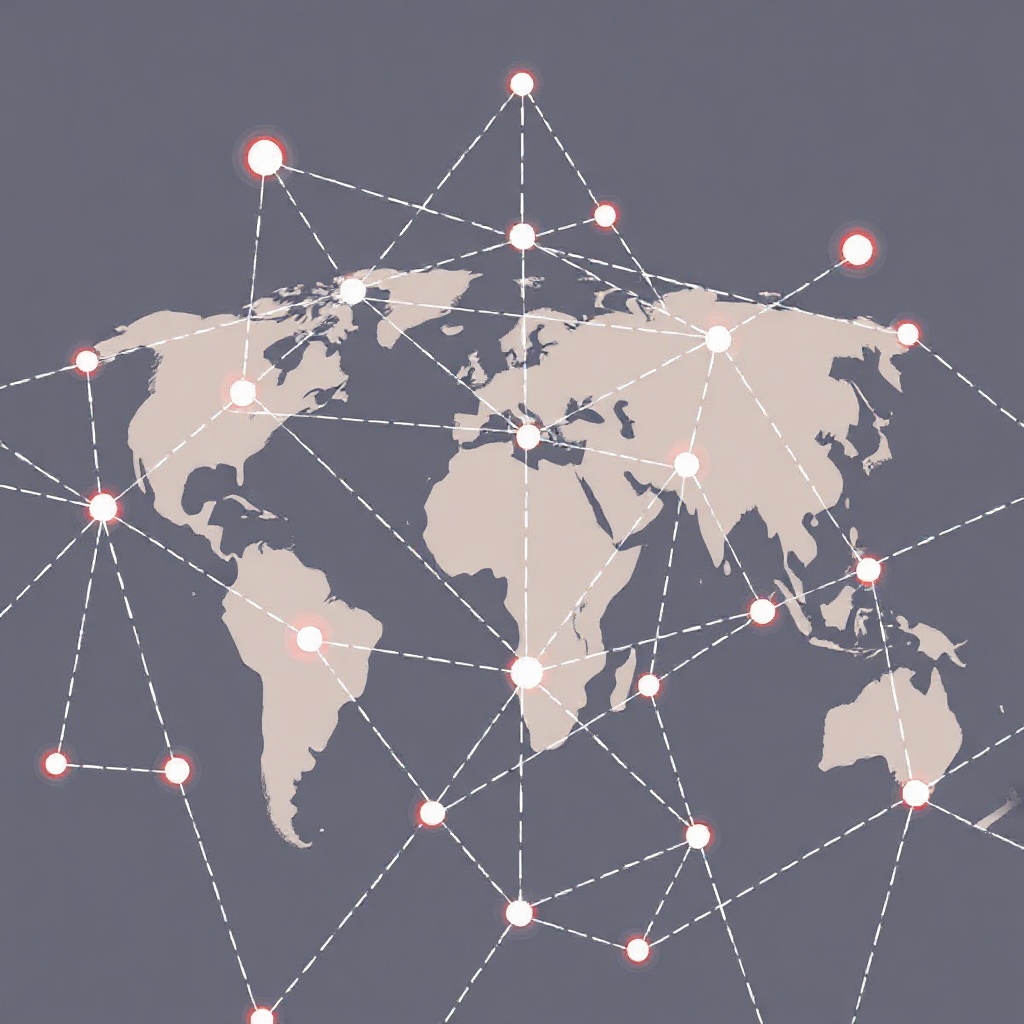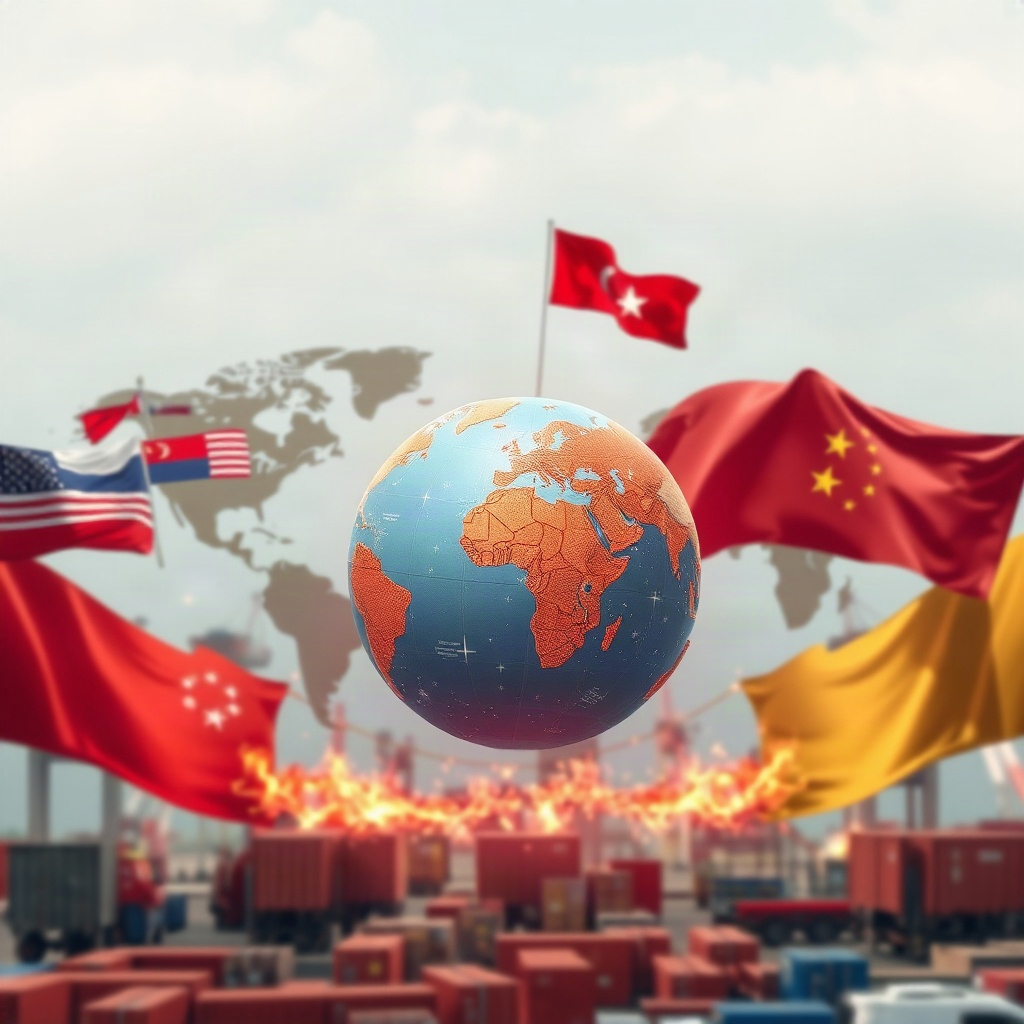
Trade wars have been a significant factor in shaping global economic relations in recent years. As countries engage in tariffs and other protectionist measures, the impact on economies worldwide is profound. In this article, we will explore how trade wars change the dynamics of global economic relations, analyzing the consequences and implications for various stakeholders.
The Rise of Trade Wars
The escalation of trade wars between major economies has become a defining feature of the global economic landscape. From the US-China trade dispute to the Brexit negotiations, countries are increasingly turning to protectionist policies to safeguard their domestic industries. This shift has far-reaching implications for global trade flows and economic stability.
Impact on Global Supply Chains
One of the key consequences of trade wars is the disruption they cause to global supply chains. As countries impose tariffs on imported goods, businesses are forced to reassess their sourcing strategies and production processes. This leads to increased costs, delays in delivery, and overall inefficiencies in the supply chain.
Effects on Emerging Markets
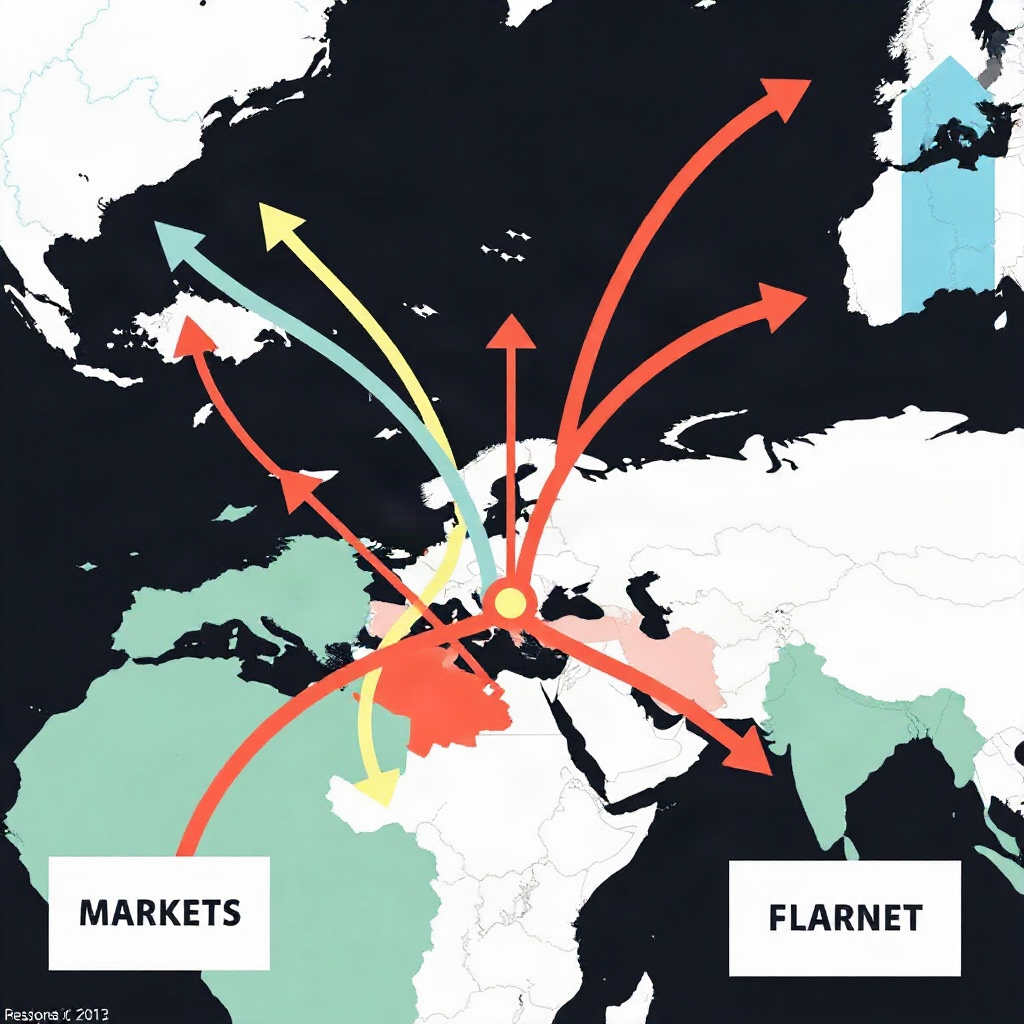
Emerging markets are particularly vulnerable to the effects of trade wars. As major economies impose tariffs on imports, demand for goods and services from emerging markets may decline. This can lead to economic instability, currency devaluation, and reduced investment in these countries. The ripple effects of trade wars can be felt far beyond the initial participants.
Challenges for Multinational Corporations
Multinational corporations are also significantly impacted by trade wars. As they operate across multiple countries, these companies must navigate a complex web of tariffs and regulations. The uncertainty created by trade wars can disrupt their operations, increase costs, and hinder their ability to compete in the global marketplace.
Opportunities for Diversification
Despite the challenges posed by trade wars, there are also opportunities for diversification and resilience. Businesses that are able to adapt to changing trade dynamics and explore new markets can mitigate the negative effects of protectionist policies. By diversifying their supply chains and expanding their customer base, companies can build a more robust business model.
The Role of International Organizations
International organizations play a crucial role in addressing the impact of trade wars on global economic relations. Bodies such as the World Trade Organization (WTO) and the International Monetary Fund (IMF) work to promote free trade, resolve disputes, and provide financial assistance to countries affected by trade conflicts. Their efforts are essential in maintaining a rules-based international trading system.
In conclusion, trade wars have a profound impact on global economic relations, reshaping the way countries interact and trade with each other. As countries grapple with the challenges of protectionism, it is essential for policymakers, businesses, and international organizations to work together to mitigate the negative effects and build a more sustainable and inclusive global economy.