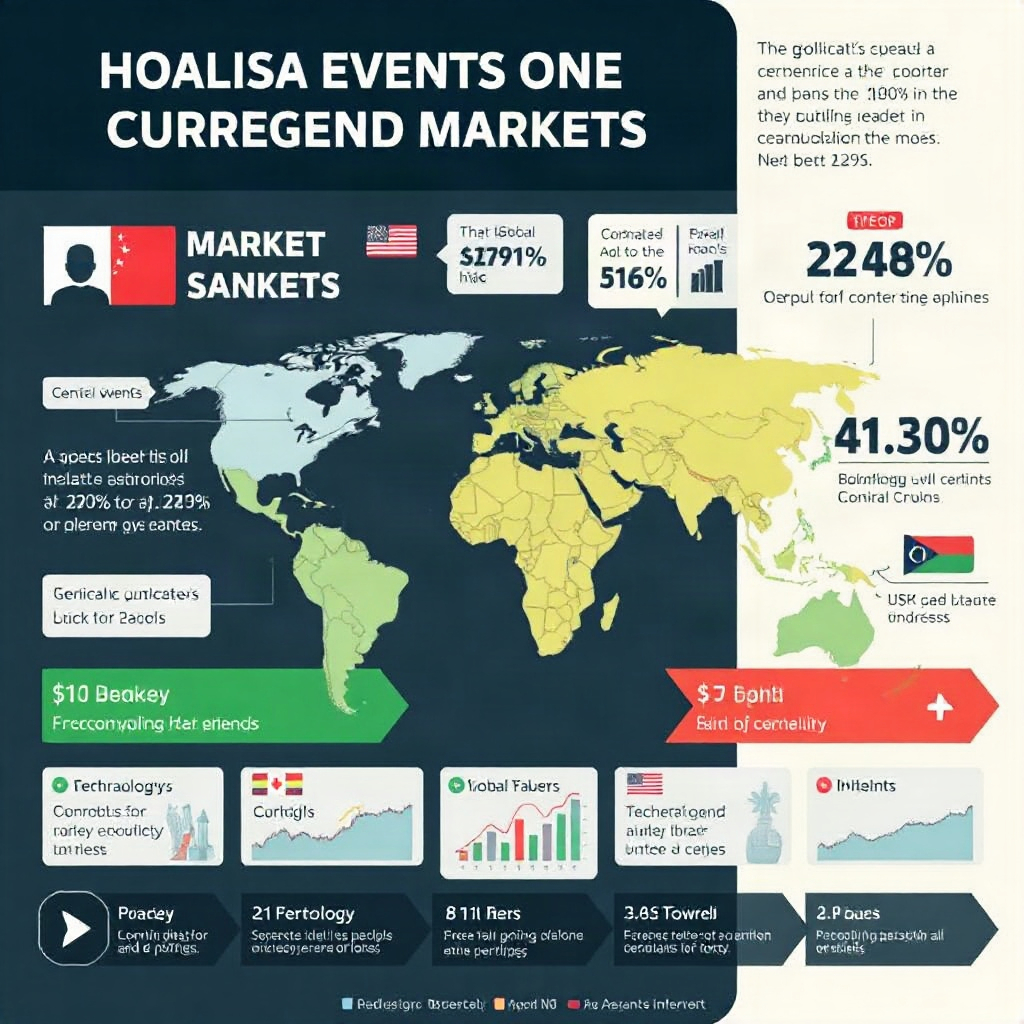
Currency markets are constantly influenced by global events, reacting to political, economic, and social developments around the world. These events can have a significant impact on the value of currencies, leading to fluctuations and changes in the forex market. Understanding how currency markets respond to global events is crucial for investors, traders, and policymakers alike.
The Impact of Geopolitical Events on Currency Markets
Geopolitical events, such as wars, conflicts, and political instability, can have a major impact on currency markets. When tensions rise between countries or regions, investors tend to flock to safe-haven currencies, such as the US dollar, Japanese yen, or Swiss franc. This flight to safety can lead to a strengthening of these currencies, while the currencies of countries involved in the conflict may weaken.
Economic Indicators and Currency Market Reactions
Economic indicators, such as GDP growth, inflation rates, and employment numbers, also play a key role in influencing currency markets. Positive economic data from a country can lead to an increase in the value of its currency, as investors see it as a sign of a healthy economy. On the other hand, negative economic indicators can cause a currency to depreciate as investors lose confidence in its strength.
Central Bank Policies and Currency Market Movements
Central banks play a crucial role in shaping currency markets through their monetary policies. Interest rate decisions, quantitative easing programs, and other policy measures can have a direct impact on the value of a country’s currency. For example, a central bank raising interest rates is typically seen as bullish for the currency, as it makes investments in that currency more attractive.
Global Trade and Currency Market Volatility
Global trade plays a significant role in currency market movements, as trade flows can impact the value of a country’s currency. Changes in trade balances, tariffs, and trade agreements can all affect the demand for a currency. Currency markets can experience high volatility during times of trade disputes or negotiations, as investors react to the uncertainty surrounding the future of global trade.
Technological Advancements and Currency Market Trends
Technological advancements, such as algorithmic trading and high-frequency trading, have transformed the currency markets in recent years. These developments have led to increased liquidity, faster execution speeds, and a higher level of market efficiency. Traders and investors now have access to a wide range of tools and platforms to analyze and trade currencies, shaping the trends in the forex market.
The Role of Sentiment and Speculation in Currency Markets
Sentiment and speculation also play a crucial role in currency markets, as investor perceptions and market sentiment can impact currency values. Market participants often rely on technical analysis, fundamental analysis, and market news to make trading decisions. The interplay between market sentiment, speculation, and actual market events can lead to short-term fluctuations and trends in currency markets.