Rate hikes by central banks have a significant impact on global financial markets. These decisions, which influence interest rates and borrowing costs, can have far-reaching consequences for economies around the world. Understanding how rate hikes affect global markets is crucial for investors, policymakers, and the general public alike.
The Role of Central Banks in Rate Hikes
Central banks play a key role in setting interest rates, which directly affects the cost of borrowing for businesses and individuals. When central banks raise interest rates, it is typically seen as a move to control inflation and cool down an overheated economy. However, the impact of rate hikes goes beyond just controlling inflation.
Effects on Stock Markets
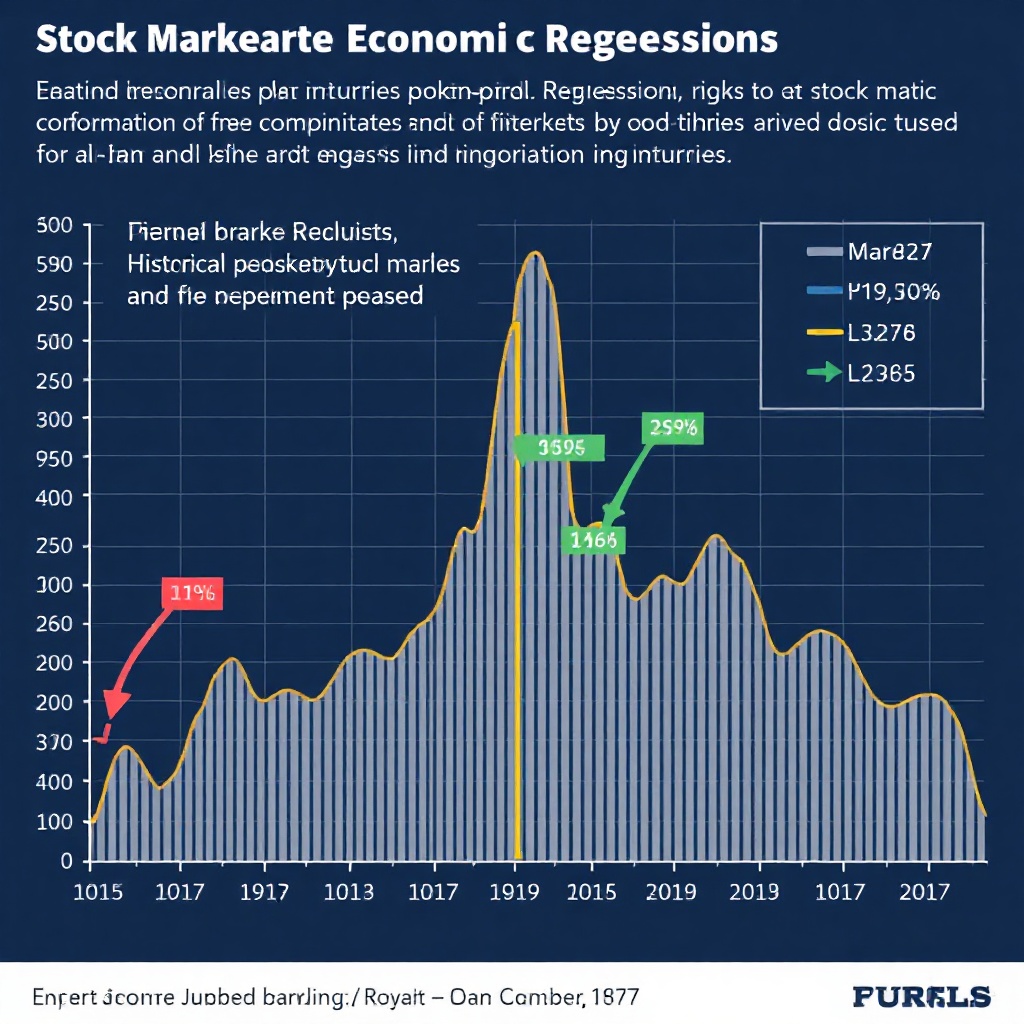
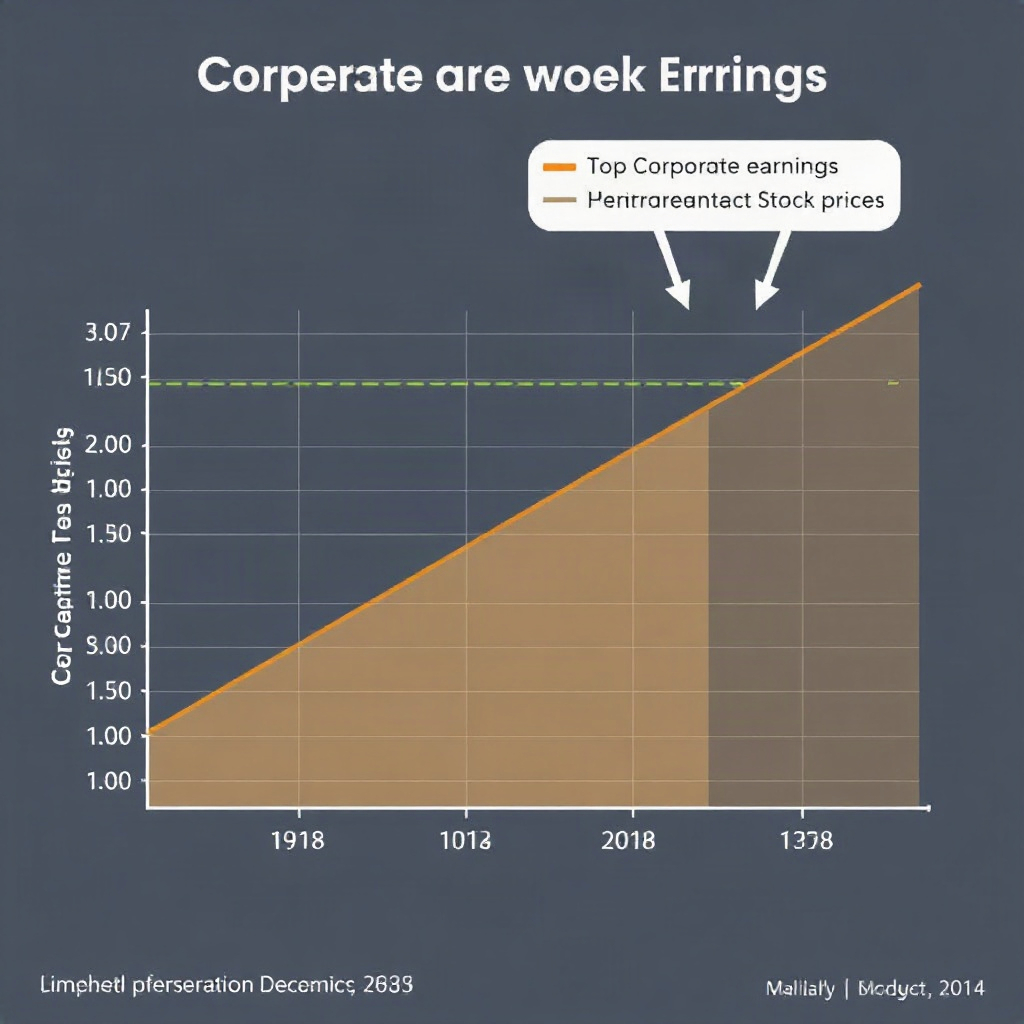
One of the immediate effects of rate hikes is often seen in the stock markets. Higher interest rates can lead to increased borrowing costs for companies, which can impact their profitability. As a result, stock prices may experience volatility as investors reassess the risk-return profile of their investments.
Impact on Bond Markets
Rate hikes also have a significant impact on bond markets. Bond prices and yields move inversely, meaning that as interest rates rise, bond prices fall. This can lead to losses for investors holding bonds, particularly those with longer maturities. Understanding the dynamics of bond markets is crucial for managing risk in a rising rate environment.
Currency Markets and Exchange Rates
Rate hikes can also influence currency markets and exchange rates. In general, higher interest rates attract foreign capital, leading to an appreciation of the domestic currency. This can have implications for exporters and importers, as well as for investors with exposure to foreign currencies.
Emerging Markets and Rate Hikes
Emerging markets are often more vulnerable to the impact of rate hikes due to their reliance on foreign capital and debt denominated in foreign currencies. When central banks in developed economies raise interest rates, it can lead to capital outflows from emerging markets, putting pressure on their currencies and financial systems.
Strategies for Investors
For investors, understanding how rate hikes affect global markets is essential for making informed decisions. Diversification, risk management, and staying informed about central bank policies are key strategies for navigating the impact of rate hikes on investment portfolios.
In conclusion, rate hikes have wide-ranging implications for global markets, impacting stocks, bonds, currencies, and emerging markets. By staying informed and understanding the dynamics of rate hikes, investors can better position themselves to navigate the challenges and opportunities that arise in a changing interest rate environment.