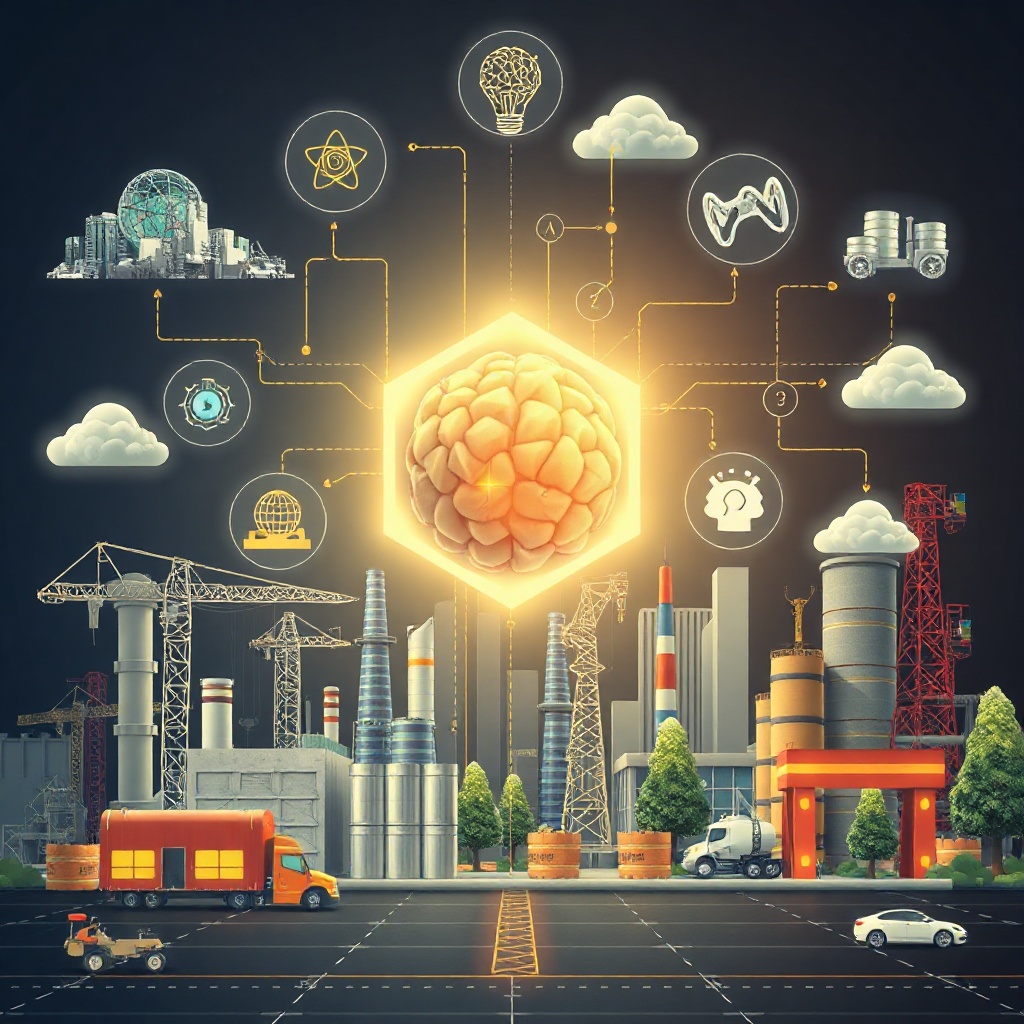
Artificial intelligence (AI) has the potential to revolutionize the global labor market in unprecedented ways. As AI technologies continue to advance at a rapid pace, the impact on jobs and employment opportunities is becoming increasingly significant. In this article, we will explore how AI could transform the labor market on a global scale, from job automation to the creation of new roles and industries.
The Rise of Automation
One of the key ways in which AI is transforming the labor market is through automation. AI-powered technologies are increasingly being used to perform tasks that were once exclusive to human workers. From manufacturing to customer service, automation is reshaping industries and changing the nature of work.
Job Displacement vs Job Creation
While automation may lead to the displacement of certain jobs, it also has the potential to create new opportunities. As AI takes over routine and repetitive tasks, human workers can focus on more complex and creative work. This shift could lead to the emergence of new roles and industries that were previously unthinkable.
The Role of Education and Training
In order to adapt to the changes brought about by AI, workers will need to acquire new skills and knowledge. Education and training programs will play a crucial role in preparing the workforce for the jobs of the future. Lifelong learning will become essential as technology continues to evolve.
Ethical Considerations in AI Deployment
As AI becomes more integrated into the labor market, ethical considerations become increasingly important. Issues such as data privacy, bias in algorithms, and job security need to be carefully navigated. It is essential for policymakers, businesses, and society as a whole to address these ethical challenges.
Global Impact of AI on Employment
The impact of AI on the labor market is not limited to a single country or region. The global economy is interconnected, and changes in one part of the world can have far-reaching effects. It is crucial for countries to collaborate and share best practices in order to ensure a smooth transition to an AI-driven future.
The Future of Work in the AI Era
As AI continues to evolve, the nature of work will also undergo significant changes. Jobs that require human creativity, emotional intelligence, and critical thinking skills will become more valuable. Workers who can adapt to new technologies and work alongside AI will be well-positioned for success in the future labor market.
Conclusion
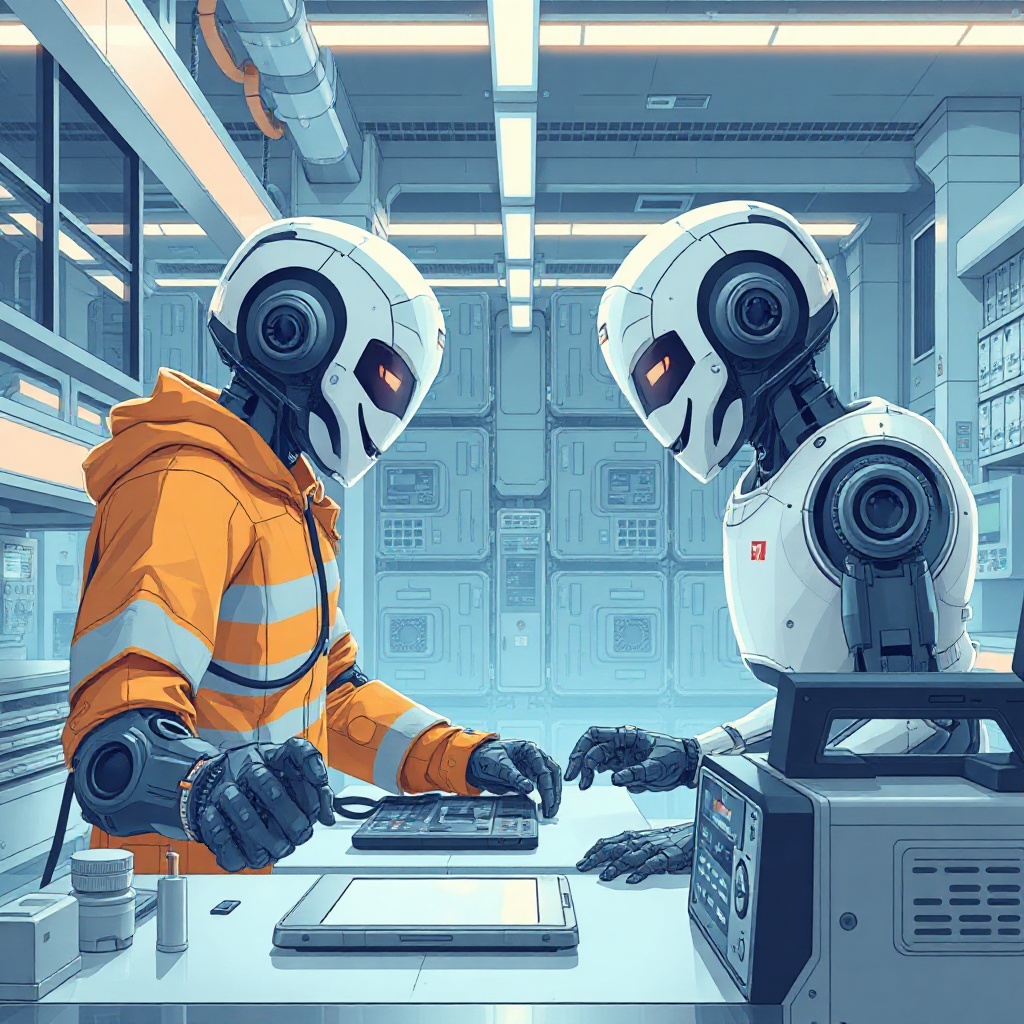
In conclusion, the potential of AI to transform the global labor market is immense. While there are challenges and uncertainties ahead, there are also exciting opportunities for innovation and growth. By embracing AI technologies responsibly and proactively, we can shape a future where humans and machines work together harmoniously.