In today’s rapidly changing global economy, the concept of economic resilience has become increasingly important for both countries and businesses. Economic resilience refers to the ability of a country or business to withstand and recover from economic shocks, such as recessions, natural disasters, or global market shifts. In this article, we will explore what economic resilience means for countries and businesses, and how they can cultivate this resilience to thrive in an uncertain economic landscape.
The Importance of Economic Resilience
Economic resilience is crucial for countries and businesses to adapt to changing economic conditions and emerge stronger from challenges. Countries with high economic resilience are better equipped to protect their citizens from the impacts of economic downturns and natural disasters. Similarly, businesses that prioritize economic resilience can weather financial instability and maintain long-term sustainability.
Factors Affecting Economic Resilience
Several factors contribute to the economic resilience of countries and businesses. Strong institutions, effective governance, diversified economies, robust infrastructure, and skilled workforce are key components of economic resilience. By investing in these areas, countries and businesses can enhance their ability to bounce back from economic setbacks and thrive in a competitive global market.
Strategies for Building Economic Resilience
Building economic resilience requires a proactive approach and strategic planning. Countries can strengthen their economic resilience by promoting innovation, fostering entrepreneurship, investing in education and healthcare, and enhancing social safety nets. Similarly, businesses can enhance their economic resilience by diversifying their revenue streams, adopting flexible business models, investing in technology, and building strong relationships with suppliers and customers.
The Role of International Cooperation
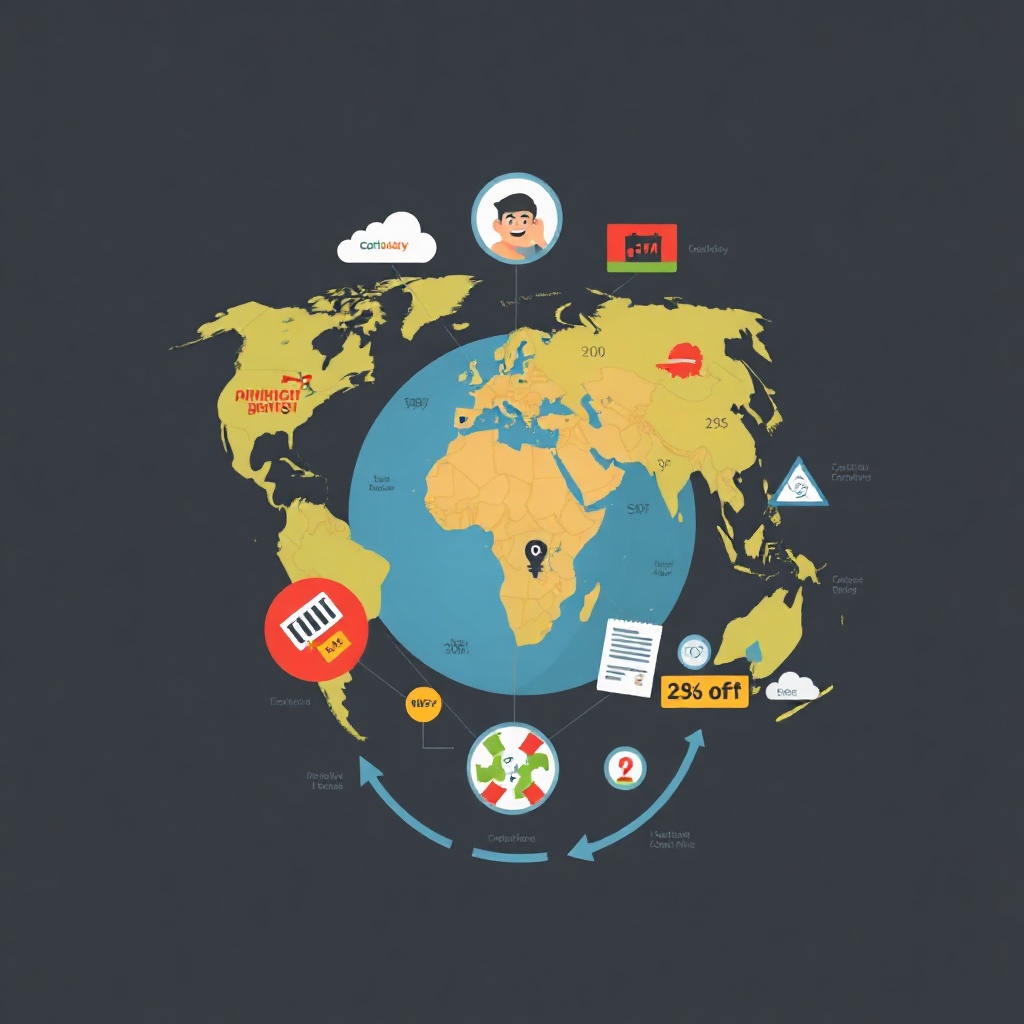
International cooperation plays a vital role in enhancing economic resilience at both the country and business levels. By collaborating with other nations, sharing best practices, and coordinating responses to global challenges, countries can build stronger economic resilience. Likewise, businesses that engage in international partnerships, joint ventures, and knowledge exchange can benefit from diverse perspectives and innovative solutions to enhance their economic resilience.
Challenges and Opportunities
While economic resilience offers numerous benefits, countries and businesses also face challenges in cultivating this resilience. Economic disparities, political instability, environmental degradation, and technological disruptions are some of the obstacles that can hinder economic resilience. However, these challenges also present opportunities for countries and businesses to innovate, adapt, and transform their economies to become more resilient in the face of adversity.
Conclusion
In conclusion, economic resilience is a critical factor for countries and businesses to thrive in an ever-changing economic landscape. By prioritizing economic resilience, countries can protect their citizens, promote sustainable development, and weather economic storms. Similarly, businesses that invest in building economic resilience can secure their long-term success, adapt to market fluctuations, and seize opportunities for growth. By understanding the importance of economic resilience and taking proactive measures to enhance it, countries and businesses can navigate uncertainties and emerge stronger in the global economy.