The world of investment can be a complex and daunting place, with a myriad of factors influencing the market on a daily basis. As an investor, it is crucial to stay informed and keep a close eye on the key market indicators that can help you make informed decisions. In this article, we will explore the most important market indicators to watch, providing you with valuable insights to navigate the financial landscape effectively.
Understanding Market Indicators
Market indicators are tools used by investors to analyze the performance of financial markets. These indicators provide valuable information about the overall health and direction of the market, helping investors make strategic decisions. By monitoring these indicators closely, investors can gain a better understanding of market trends and potential investment opportunities.
Stock Market Indices
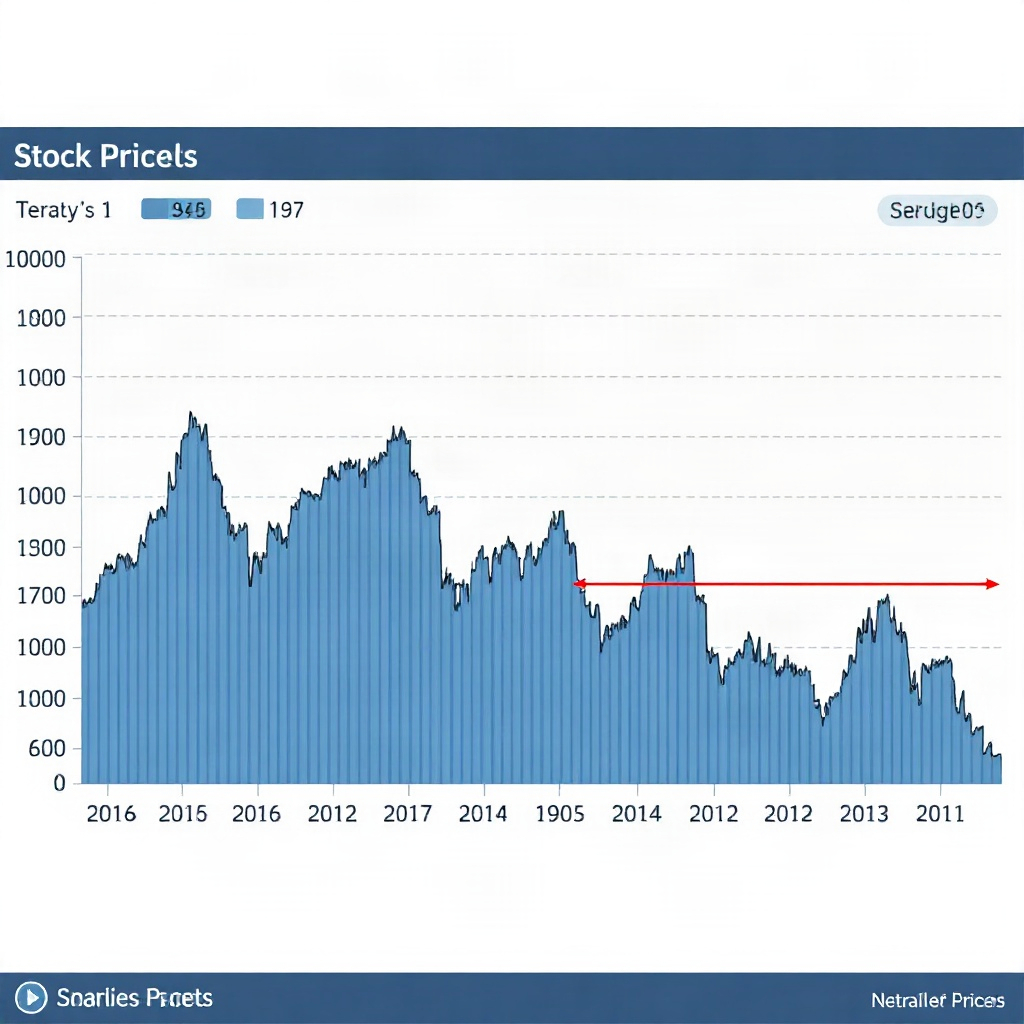
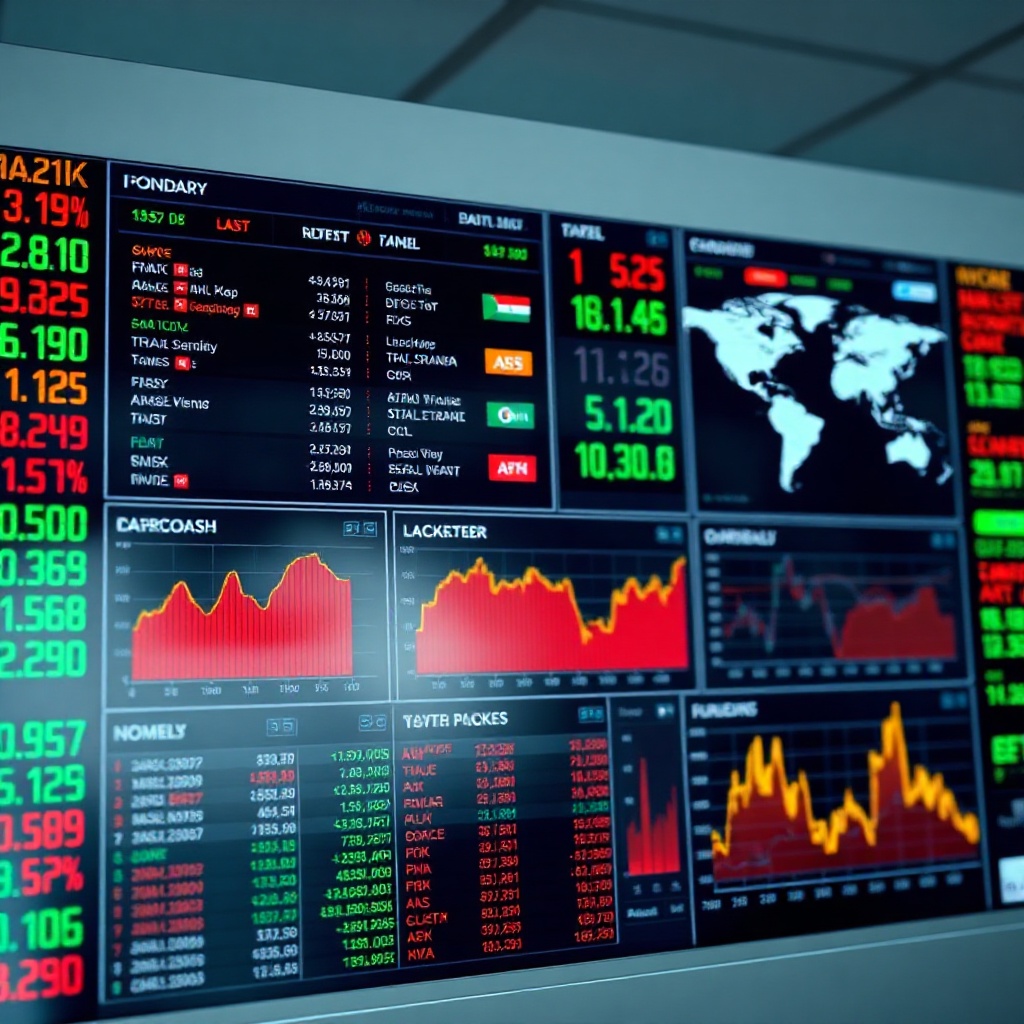
Stock market indices, such as the S&P 500 and Dow Jones Industrial Average, are key indicators of the overall performance of the stock market. These indices track the performance of a specific group of stocks, providing investors with a broad overview of market trends. By monitoring stock market indices, investors can gauge the overall sentiment of the market and identify potential investment opportunities.
Economic Indicators
Economic indicators, such as GDP growth, unemployment rates, and inflation data, provide valuable insights into the overall health of the economy. These indicators can help investors assess the strength of the economy and anticipate potential market movements. By keeping an eye on economic indicators, investors can make more informed decisions about their investment strategies.
Interest Rates
Interest rates play a crucial role in shaping the investment landscape. Central banks use interest rates to control inflation and stimulate economic growth. Changes in interest rates can have a significant impact on various asset classes, such as stocks, bonds, and real estate. By monitoring interest rates, investors can anticipate market movements and adjust their investment portfolios accordingly.
Volatility Index VIX
The Volatility Index, also known as the VIX, measures market volatility and investor sentiment. A high VIX level indicates increased market volatility, while a low VIX level suggests calmer market conditions. By tracking the VIX, investors can assess the level of risk in the market and adjust their investment strategies accordingly.
Technical Indicators
Technical indicators, such as moving averages and relative strength index (RSI), help investors analyze price trends and identify potential entry and exit points. These indicators use historical price data to predict future price movements, providing investors with valuable insights into market trends. By using technical indicators, investors can make more informed trading decisions and improve their overall investment performance.
In conclusion, monitoring key market indicators is essential for successful investing. By staying informed and keeping a close eye on these indicators, investors can make more informed decisions and navigate the financial markets effectively. Incorporating these indicators into your investment strategy can help you achieve your financial goals and build a successful investment portfolio.