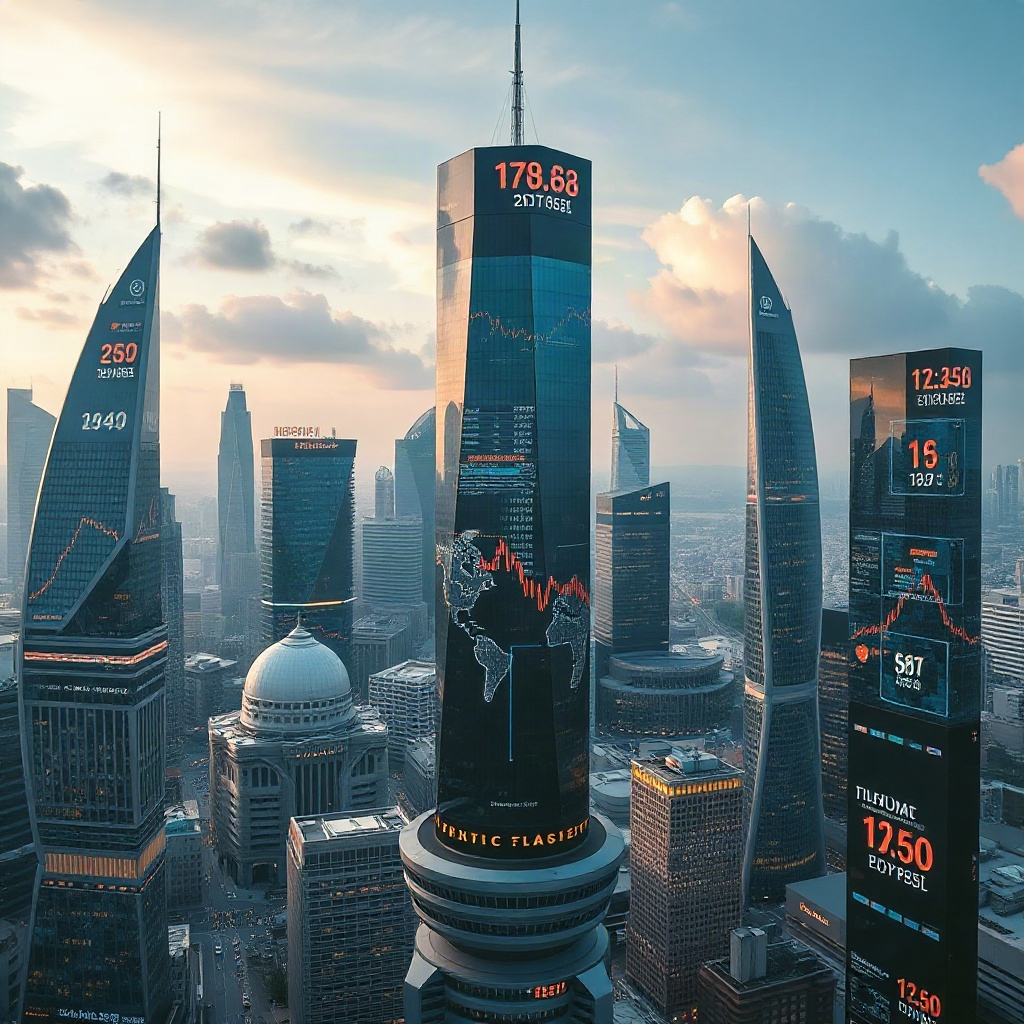
The world economy is constantly evolving, influenced by a myriad of factors such as technological advancements, geopolitical events, and global trade dynamics. For investors, understanding these changes and their implications is crucial for making informed decisions and maximizing returns on investments. In this article, we will explore what the changing world economy means for investors and how they can navigate the complex landscape to achieve their financial goals.
The Impact of Globalization on Investment Opportunities
Globalization has opened up a world of opportunities for investors, allowing them to access new markets and diversify their portfolios. However, it has also increased market volatility and interconnectedness, making it essential for investors to adopt a global perspective when making investment decisions. By understanding the implications of globalization on investment opportunities, investors can better position themselves to capitalize on emerging trends and navigate market uncertainties.
Technology Disruption Investing in Innovation
The rapid pace of technological innovation is reshaping industries and creating new investment opportunities. From artificial intelligence and blockchain to biotechnology and renewable energy, technology disruption is driving significant changes in the global economy. Investors who are able to identify and invest in innovative companies at the forefront of technological advancements stand to benefit from long-term growth and competitive returns. By staying abreast of technological trends and disruptions, investors can position themselves for success in a rapidly changing economic landscape.
Sustainable Investing The Rise of ESG Criteria
Environmental, Social, and Governance (ESG) criteria are becoming increasingly important for investors seeking to align their investments with their values. Sustainable investing, which focuses on companies that prioritize sustainability and ethical practices, has gained traction in recent years as investors become more socially conscious. By integrating ESG considerations into their investment decisions, investors can not only generate financial returns but also contribute to positive social and environmental outcomes. Understanding the impact of sustainability on investment performance is crucial for investors looking to build a more sustainable and resilient portfolio.
Geopolitical Risks and Market Volatility
Geopolitical events, such as trade wars, political instability, and global conflicts, can have a significant impact on the world economy and financial markets. Investors need to be mindful of geopolitical risks and their potential effects on investment portfolios. By diversifying their investments across different asset classes and regions, investors can mitigate the impact of geopolitical uncertainties and market volatility. Additionally, staying informed about geopolitical developments and their implications for the global economy can help investors make well-informed decisions and protect their investments from unforeseen risks.
Emerging Markets Opportunities and Challenges
Emerging markets represent a wealth of investment opportunities for investors seeking high growth potential. However, they also come with unique challenges, such as regulatory risks, currency fluctuations, and political instability. Understanding the dynamics of emerging markets and conducting thorough due diligence are essential for investors looking to capitalize on the growth prospects of these regions. By diversifying their portfolios with exposure to emerging markets, investors can potentially achieve higher returns and reduce overall portfolio risk.
The Role of Financial Literacy in Investment Success
Financial literacy plays a crucial role in investment success, enabling investors to make informed decisions, manage risks, and achieve their financial goals. By educating themselves about financial concepts, investment strategies, and market dynamics, investors can enhance their investment knowledge and confidence. Financial education empowers investors to navigate the complexities of the world economy, identify opportunities, and effectively manage their investments. By prioritizing financial literacy and continuous learning, investors can build a solid foundation for long-term investment success.
Navigating Uncertainty Strategies for Investors
Navigating the changing world economy requires investors to adopt a proactive and strategic approach to managing their investments. By diversifying their portfolios, staying informed about market trends, and seeking professional advice when needed, investors can navigate uncertainty and achieve their financial objectives. Developing a well-defined investment strategy, setting realistic goals, and regularly reviewing and adjusting investment portfolios are key components of successful investing in a rapidly changing economic environment. By embracing change, staying disciplined, and focusing on long-term objectives, investors can navigate the complexities of the world economy with confidence and resilience.