Trade policies play a crucial role in shaping global markets and influencing economic conditions. The recent shift in trade dynamics has raised concerns about how new policies could potentially affect various industries and economies. In this article, we will explore the potential impact of these new trade policies on markets worldwide.
The Importance of Trade Policies
Trade policies are a set of rules and regulations that govern the flow of goods and services between countries. They can include tariffs, quotas, subsidies, and other measures that affect the terms of trade. These policies are essential for promoting economic growth, creating jobs, and fostering international cooperation.
Global Trade Trends
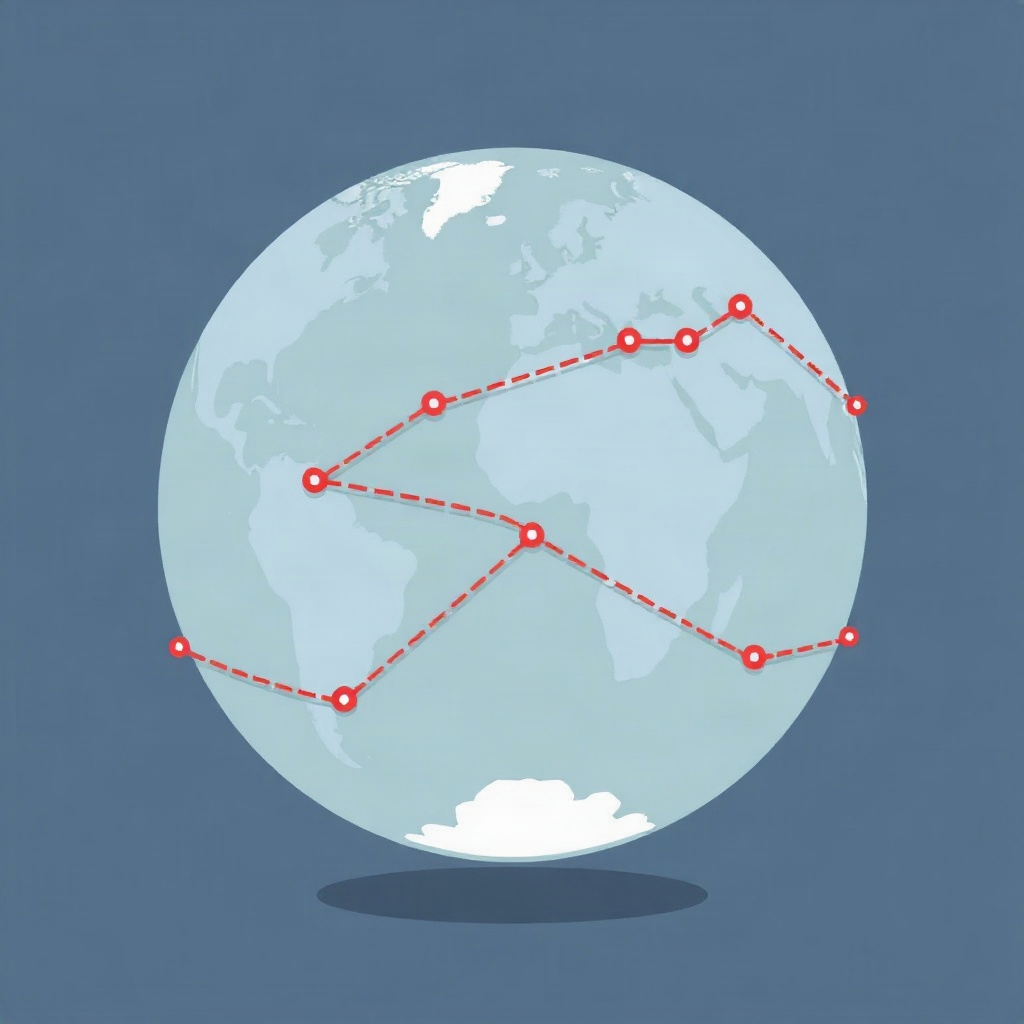
In recent years, there has been a significant shift in global trade patterns. The rise of protectionist policies, trade wars, and the renegotiation of trade agreements have disrupted traditional trade flows. These changes have led to uncertainty in markets and increased volatility in prices.
Impact on Industries
Different industries will be affected differently by new trade policies. For example, the automotive industry may face higher tariffs on imported parts, leading to increased production costs. On the other hand, the agricultural sector may benefit from reduced competition from foreign producers. Understanding how these policies will impact specific industries is crucial for businesses to adapt and thrive in the new trade environment.
Regional Perspectives
The impact of new trade policies will vary across regions. Developing countries that rely heavily on exports may face challenges if their access to key markets is restricted. In contrast, developed countries that have a strong domestic market may see opportunities for growth by reducing imports and promoting local production.
Market Response
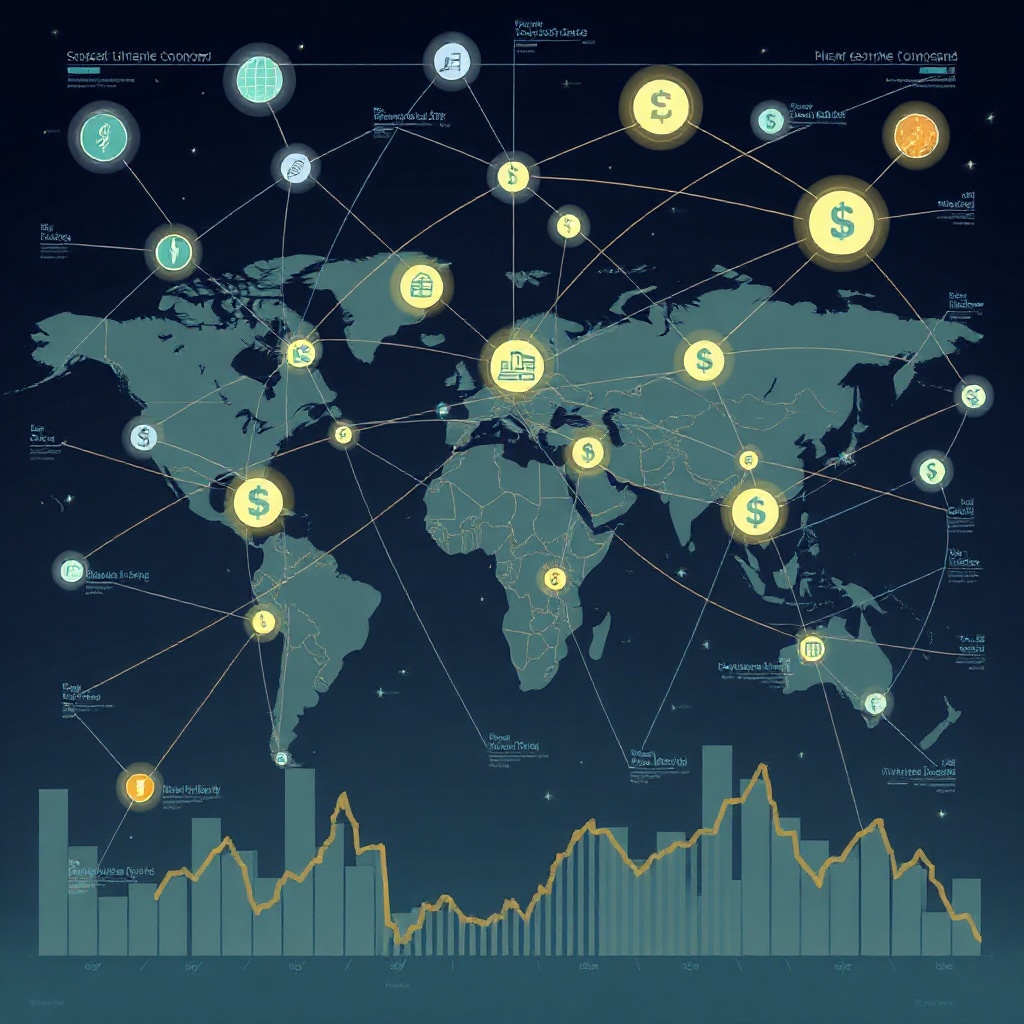
The implementation of new trade policies will inevitably have an impact on financial markets. Investors will closely monitor developments in trade negotiations and adjust their portfolios accordingly. Exchange rates, stock prices, and commodity prices are all sensitive to changes in trade policies, reflecting market sentiment and expectations.
Future Outlook
As countries continue to navigate the complexities of international trade, it is essential to consider the long-term implications of new policies. Collaborative efforts to promote fair and open trade will be crucial for sustainable economic growth and stability. By anticipating potential challenges and opportunities, businesses and policymakers can work together to create a more resilient and inclusive global trading system.