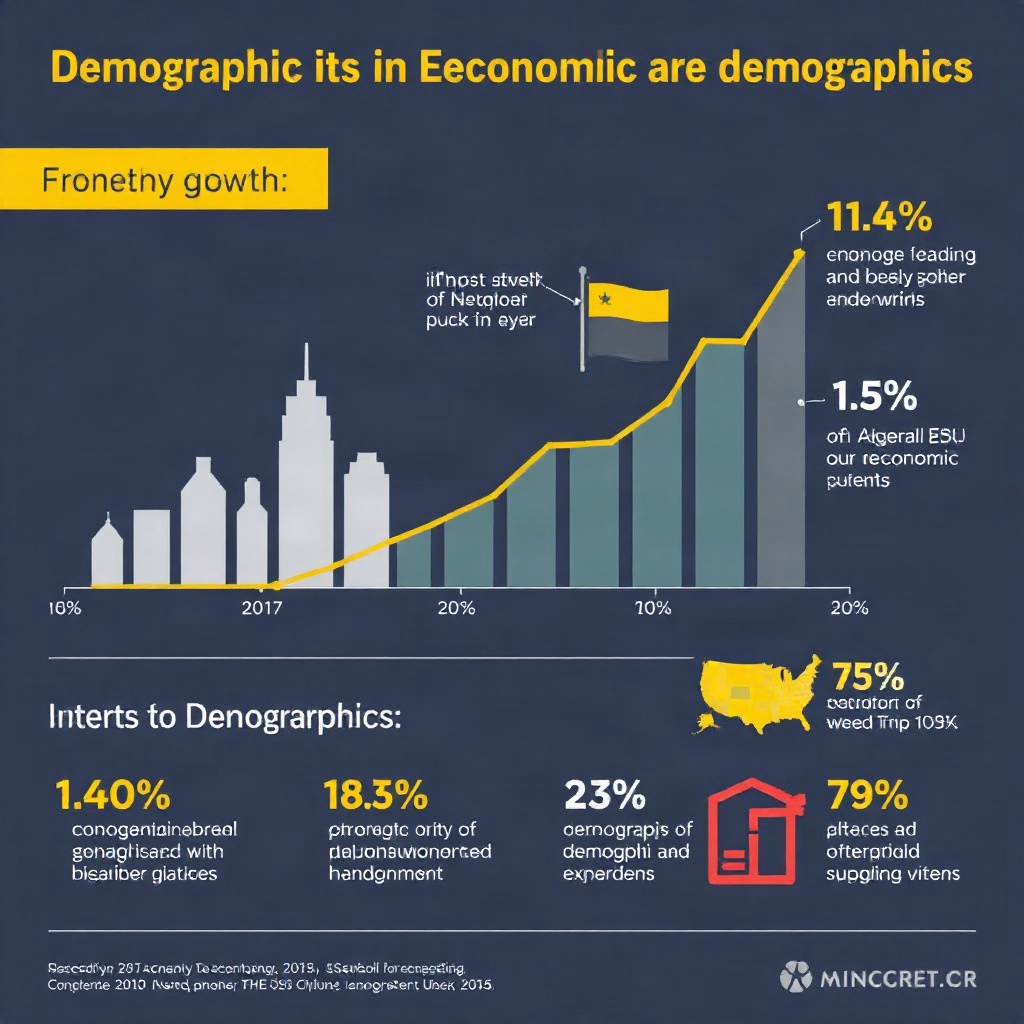
Demographics play a crucial role in shaping the economic growth of a country. Understanding the composition of a population in terms of age, gender, education, and income levels can provide valuable insights into the future trajectory of an economy. In this analysis, we will delve into how demographics influence economic growth and what implications it has for policymakers.
The Impact of Age Structure on Economic Growth
The age structure of a population can have significant implications for economic growth. A young population with a high proportion of working-age individuals can lead to a demographic dividend, where there are more people contributing to the labor force than dependents. This can boost productivity and drive economic growth. Conversely, an aging population with a higher proportion of elderly individuals can pose challenges such as increased healthcare costs and a shrinking workforce.
The Role of Education in Economic Development
Education is a key factor in determining the economic growth potential of a country. A well-educated workforce is more productive, innovative, and adaptable to technological advancements. Investing in education can lead to a skilled labor force that drives economic development and competitiveness on a global scale. Countries that prioritize education and skills training are more likely to experience sustainable economic growth in the long run.
Gender Dynamics and Economic Growth
Gender equality is not only a fundamental human right but also an essential driver of economic growth. Empowering women to participate fully in the economy can increase productivity, enhance diversity in decision-making processes, and promote innovation. Closing the gender gap in education, employment, and entrepreneurship can unlock the full economic potential of a society and contribute to sustainable development.
Income Inequality and Its Implications for Economic Growth
Income inequality can hinder economic growth and lead to social unrest. When a small segment of the population holds a disproportionate share of wealth, it can limit economic mobility, reduce consumer demand, and distort resource allocation. Addressing income inequality through progressive taxation, social welfare programs, and inclusive economic policies is crucial for ensuring equitable growth and stability.
Urbanization and Economic Transformation
The process of urbanization is closely linked to economic growth and development. As populations migrate from rural areas to urban centers, there is a shift towards industrialization, specialization, and technological innovation. Urban areas become hubs of economic activity, attracting investments, fostering entrepreneurship, and creating employment opportunities. Managing urbanization effectively is essential for maximizing the economic benefits while minimizing social and environmental challenges.
Harnessing Demographic Dividends for Sustainable Growth
To harness the full potential of demographics for economic growth, policymakers need to adopt a multi-faceted approach. This includes investing in education and skills training, promoting gender equality, addressing income inequality, and creating supportive policies for urbanization. By leveraging demographic dividends effectively, countries can achieve sustainable and inclusive growth that benefits all segments of society.