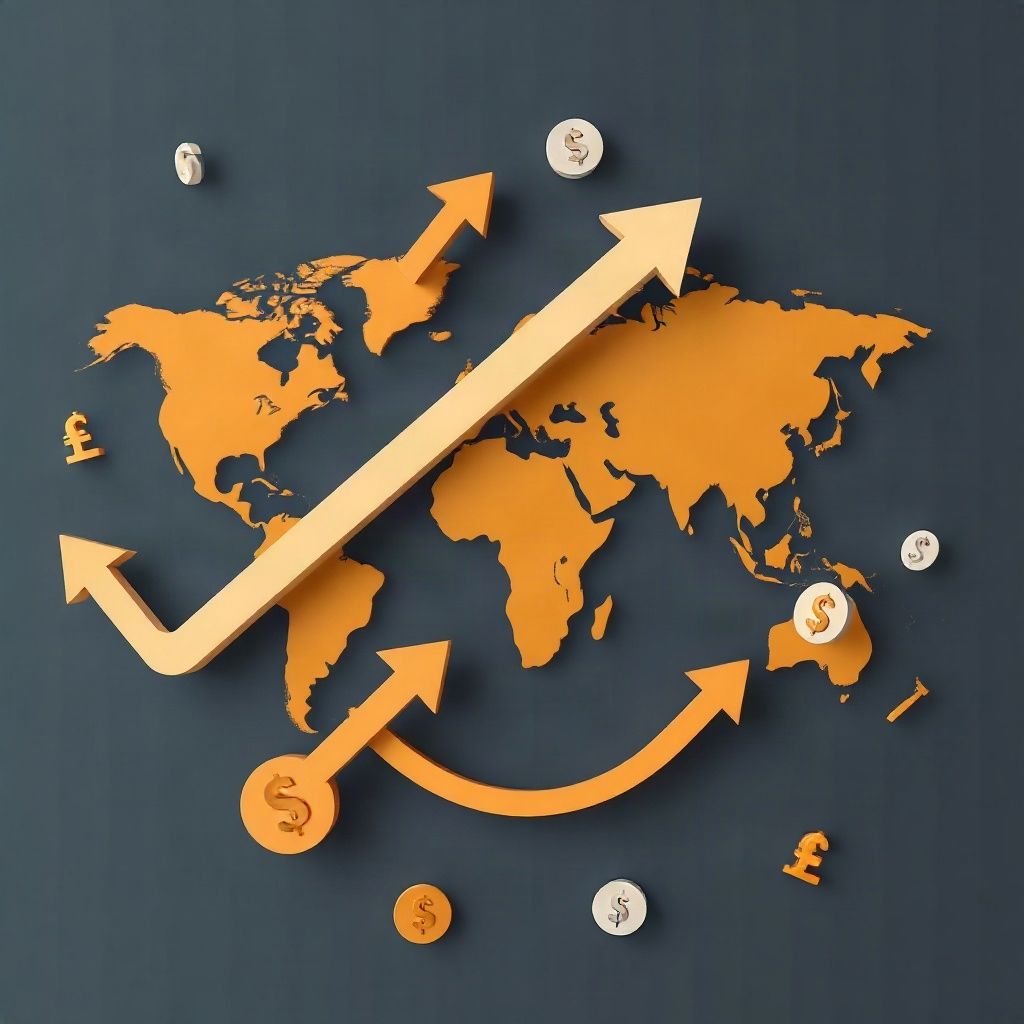
Global trade plays a significant role in shaping the economic landscape of countries around the world. The interconnected nature of the global economy means that trade between nations has a direct impact on economic growth. In this analysis, we will explore how global trade influences economic growth and the various factors at play.
The Impact of Trade Agreements
Trade agreements are a crucial aspect of global trade that can have a profound impact on economic growth. By reducing barriers to trade such as tariffs and quotas, trade agreements facilitate the flow of goods and services between countries. This increased trade can lead to economic growth by creating new opportunities for businesses to expand into new markets and increase their production.
Foreign Direct Investment FDI
Foreign direct investment is another key component of global trade that can influence economic growth. When businesses invest in foreign markets, they bring new capital, technology, and expertise that can stimulate economic development. FDI can lead to job creation, infrastructure development, and increased productivity, all of which are essential for sustained economic growth.
Supply Chain Integration
The integration of global supply chains has become increasingly important in today’s interconnected world. Companies rely on complex supply chains that span multiple countries to manufacture and distribute their products. Efficient supply chains can lower production costs, improve product quality, and increase market competitiveness, all of which contribute to economic growth.
Technological Innovation
Technological innovation plays a key role in driving global trade and economic growth. Advances in transportation, communication, and information technology have made it easier for businesses to engage in international trade. Technologies such as e-commerce platforms, automation, and artificial intelligence have revolutionized the way companies conduct business globally, leading to increased efficiency and productivity.
Sustainable Development Goals
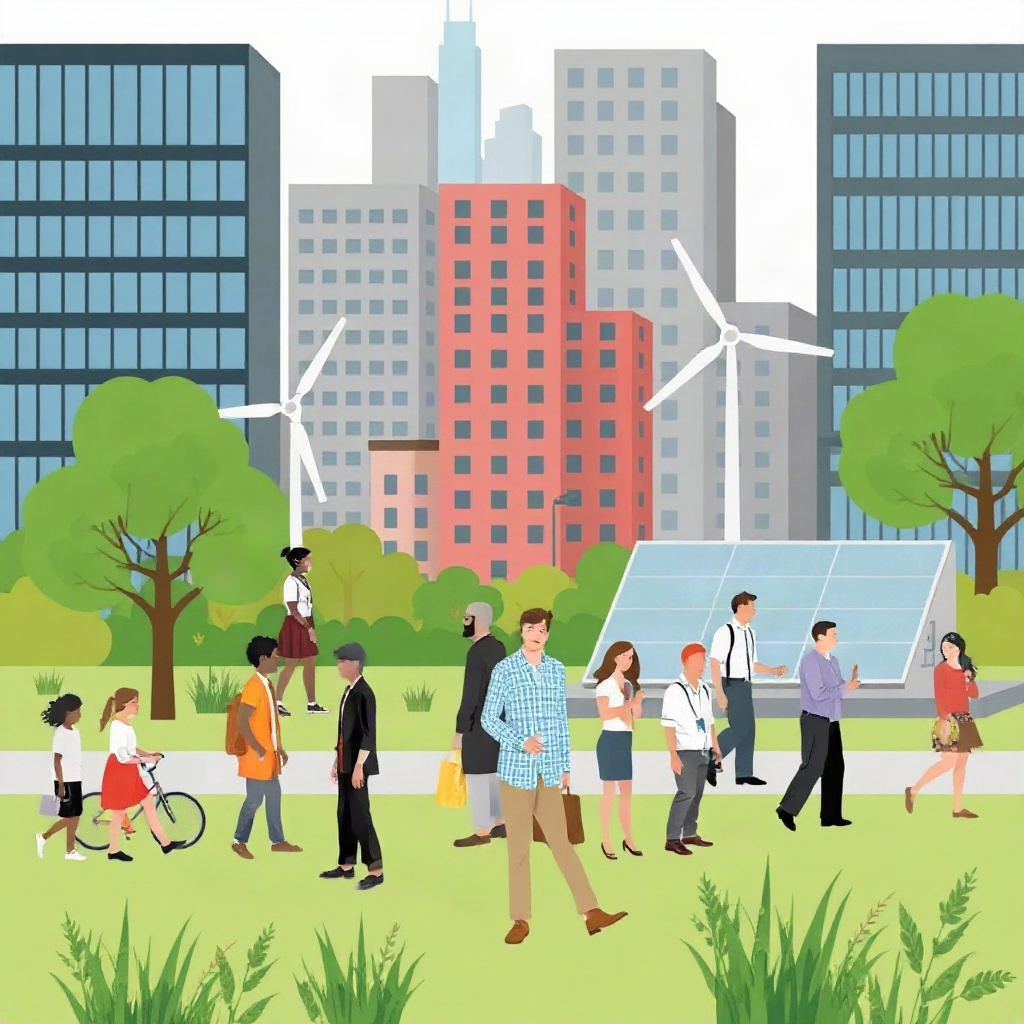
The United Nations Sustainable Development Goals (SDGs) provide a framework for countries to promote sustainable development through global trade. By aligning trade policies with the SDGs, countries can ensure that trade contributes to economic growth while also addressing environmental and social challenges. Sustainable trade practices can lead to inclusive growth that benefits all segments of society.
Challenges and Opportunities
While global trade offers numerous benefits for economic growth, it also presents challenges that must be addressed. Issues such as trade imbalances, protectionism, and geopolitical tensions can hinder the positive effects of trade on economic growth. However, by promoting open and fair trade practices, countries can capitalize on the opportunities that global trade offers for sustained economic development.
In conclusion, global trade has a profound influence on economic growth by creating new opportunities for businesses, stimulating investment, and fostering innovation. By embracing the benefits of global trade while addressing its challenges, countries can harness the power of trade to drive sustainable economic growth and development.