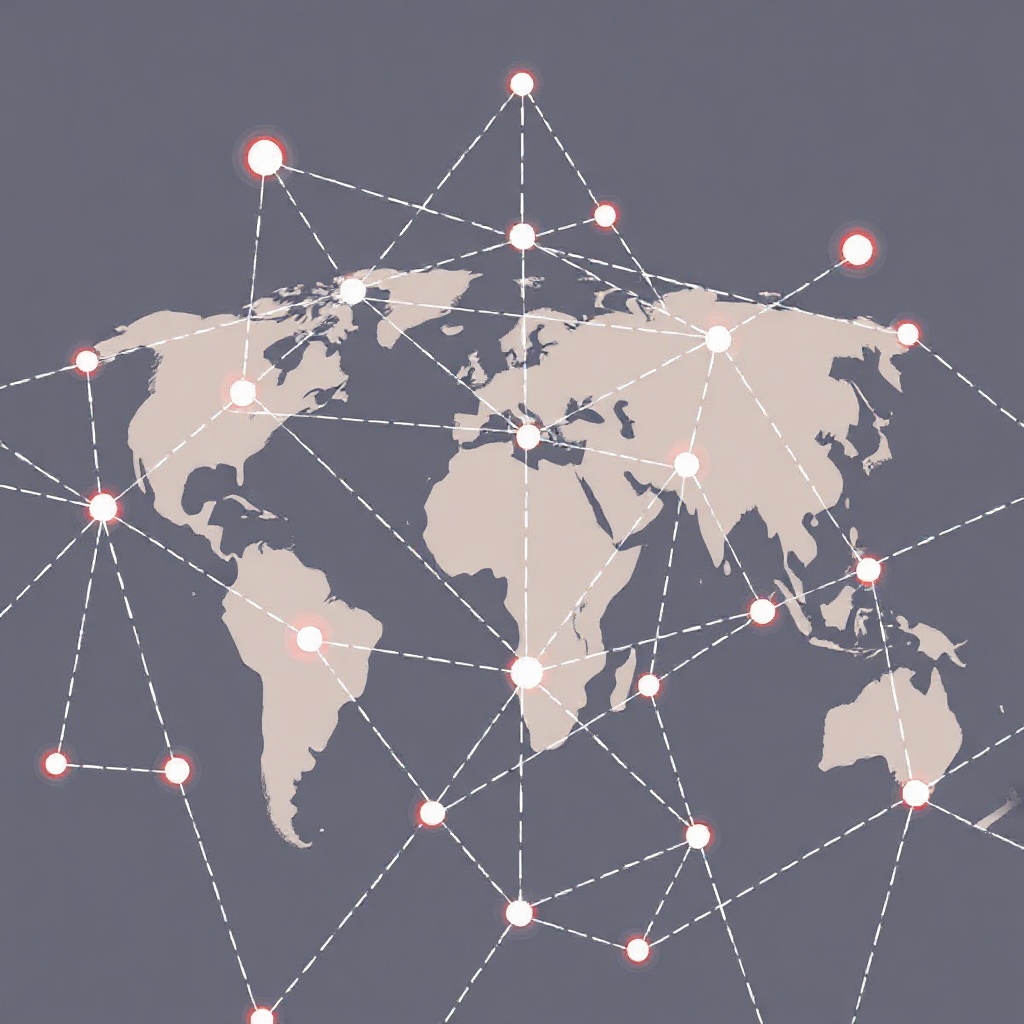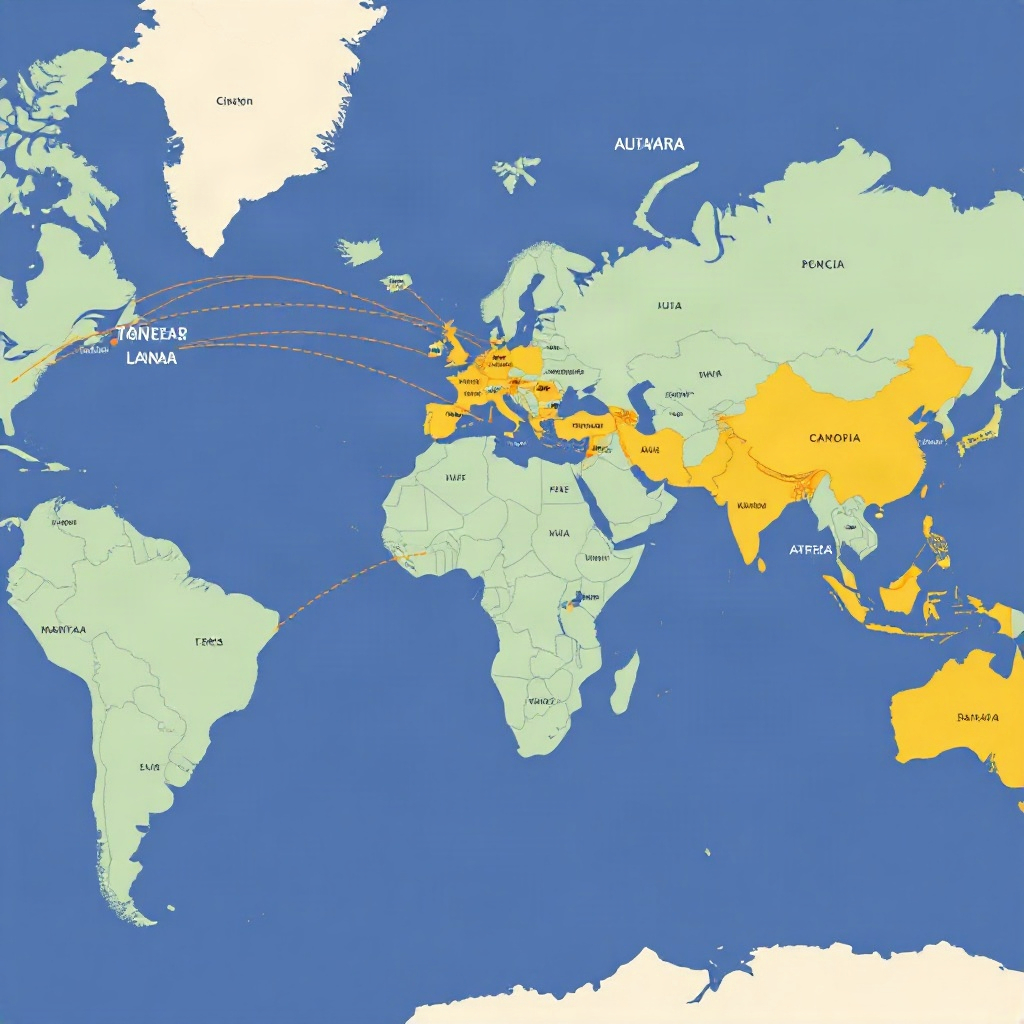
In today’s interconnected world, the geopolitics of international trade play a crucial role in shaping global economic dynamics. From trade wars to international agreements, the intricate web of relationships between countries can have far-reaching implications. This article will delve into the complexities of the geopolitical landscape of international trade, exploring how power dynamics, strategic alliances, and economic interests intersect in the realm of commerce.
The Impact of Geopolitical Tensions on Trade
Geopolitical tensions between nations can have a significant impact on international trade. When countries engage in disputes over territorial claims, political ideologies, or human rights issues, trade relationships can become strained. Trade barriers such as tariffs, quotas, and sanctions may be imposed as a form of political leverage, disrupting the flow of goods and services between nations.
The Role of Strategic Alliances in Trade
Strategic alliances between countries can also shape the landscape of international trade. By forming partnerships based on shared economic interests or geopolitical objectives, nations can enhance their trade relationships and gain a competitive edge in the global market. These alliances can lead to preferential trade agreements, mutual defense pacts, and increased investment flows between partner countries.
The Influence of Economic Interests on Trade Policies
Economic interests often drive the trade policies of nations, as governments seek to protect domestic industries, promote exports, and secure access to vital resources. Countries may implement trade policies such as subsidies, export controls, and currency manipulation to gain a competitive advantage in the global marketplace. The pursuit of economic interests can sometimes lead to conflicts with other nations, as countries vie for market share and economic dominance.
The Role of Multinational Corporations in Global Trade
Multinational corporations (MNCs) play a significant role in shaping the geopolitics of international trade. With operations spanning multiple countries, MNCs have the ability to influence trade policies, investment decisions, and supply chain dynamics on a global scale. By leveraging their economic power and lobbying influence, MNCs can shape the regulatory environment in which they operate, often to the detriment of smaller businesses and developing nations.
The Importance of International Trade Agreements
International trade agreements serve as a cornerstone of the global trade system, providing a framework for cooperation, dispute resolution, and market access between countries. Agreements such as the World Trade Organization (WTO) and regional trade pacts like the European Union (EU) play a crucial role in facilitating trade relations and promoting economic growth. By establishing rules and norms for international trade, these agreements help to reduce barriers and promote a level playing field for all participants.
The Future of Geopolitics and International Trade
As the world becomes increasingly interconnected, the future of geopolitics and international trade remains uncertain. Emerging technologies, shifting power dynamics, and global challenges such as climate change and pandemics will continue to shape the landscape of trade relations between nations. It is essential for policymakers, businesses, and civil society to adapt to these changing dynamics and work towards a more sustainable and inclusive global trade system.