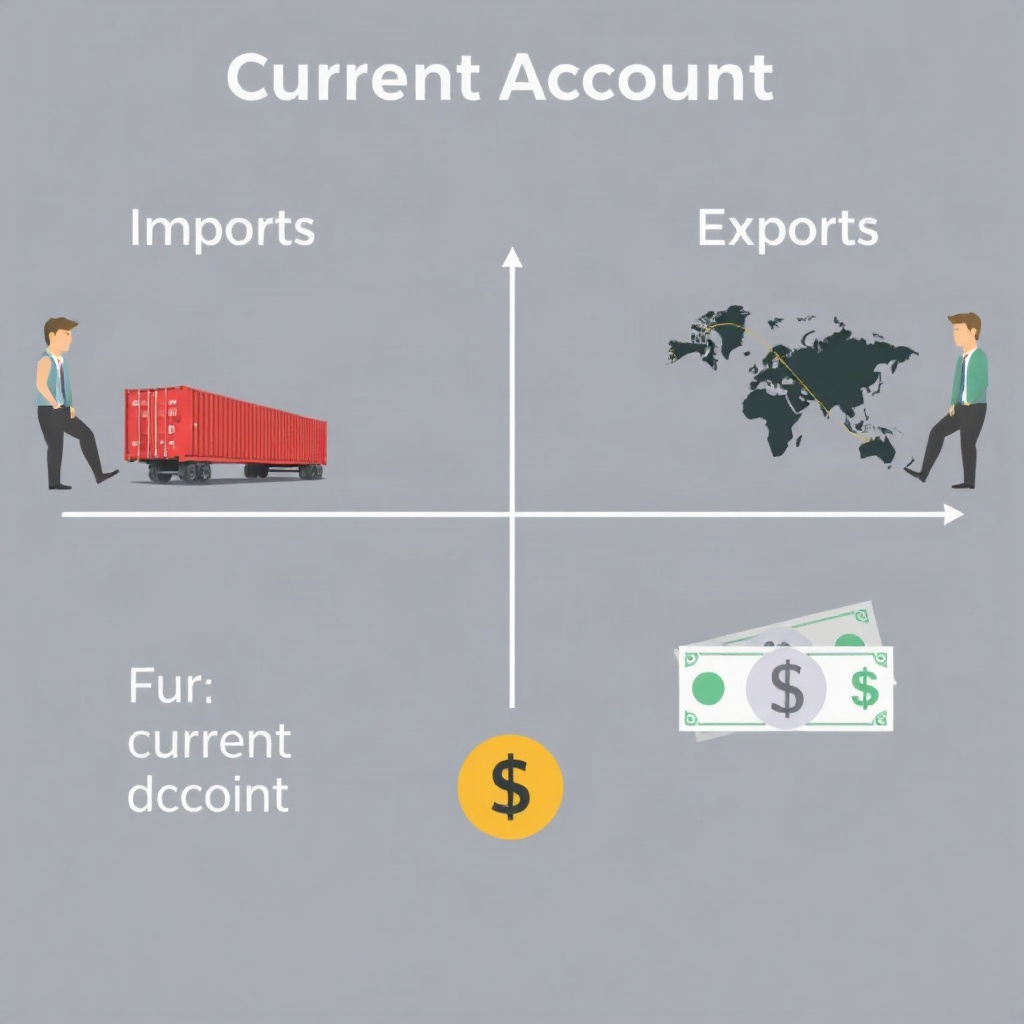
In today’s global economy, understanding the concept of a current account deficit is crucial for policymakers, economists, and everyday citizens alike. A current account deficit occurs when a country’s total imports exceed its total exports, resulting in a negative balance of trade. This imbalance can have significant implications for a nation’s economy, affecting its currency value, interest rates, and overall economic stability.
What Causes a Current Account Deficit
A current account deficit can be caused by several factors, including a high level of domestic consumption, a strong currency, or a lack of competitiveness in export markets. Additionally, factors such as government policies, exchange rate fluctuations, and global economic conditions can also contribute to a country’s current account deficit.
The Impact of a Current Account Deficit on Currency Value
One of the most significant impacts of a current account deficit is its effect on a country’s currency value. When a nation runs a deficit, it is essentially borrowing from foreign investors to finance its imports. This can lead to a decrease in the value of the country’s currency, making imports more expensive and exports more competitive in international markets.
How Interest Rates Are Affected by a Current Account Deficit
Another consequence of a current account deficit is its impact on interest rates. In order to attract foreign capital to finance the deficit, a country may need to raise its interest rates to make investments more appealing to international investors. This can have implications for both domestic borrowing costs and overall economic growth.
Strategies to Reduce a Current Account Deficit
There are various strategies that countries can employ to reduce a current account deficit. These may include increasing exports, decreasing imports, implementing trade barriers, or undertaking structural reforms to improve competitiveness. Additionally, countries can seek assistance from international organizations or negotiate trade agreements to address their current account imbalances.
The Role of Government Policies in Managing a Current Account Deficit
Government policies play a crucial role in managing a country’s current account deficit. Fiscal policies, such as taxation and government spending, can impact the level of domestic consumption and investment, which in turn affects the balance of trade. Monetary policies, such as interest rate adjustments and currency interventions, can also influence the exchange rate and trade balance.
Conclusion
In conclusion, a current account deficit is a significant economic indicator that reflects a country’s international trade relationships and overall economic health. Understanding the causes and consequences of a deficit is essential for policymakers to implement effective strategies to manage and reduce it. By addressing the root causes of a current account deficit and implementing appropriate policies, countries can work towards achieving a more balanced and sustainable economy.