Building a solid long-term investment strategy is crucial for achieving financial success and securing your future. In a world where financial markets are constantly evolving, having a well-thought-out plan can help you navigate the ups and downs of the market with confidence. In this blog post, we will discuss seven key steps to help you build a successful long-term investment strategy.
Setting Clear Financial Goals
The first step in building a long-term investment strategy is to define your financial goals. Whether you are saving for retirement, buying a home, or funding your children’s education, having clear goals will help you determine the best investment approach to achieve them.
Assessing Your Risk Tolerance
Understanding your risk tolerance is essential in building a successful investment strategy. By assessing how much risk you are willing to take, you can choose investments that align with your comfort level and financial goals.
Diversifying Your Portfolio
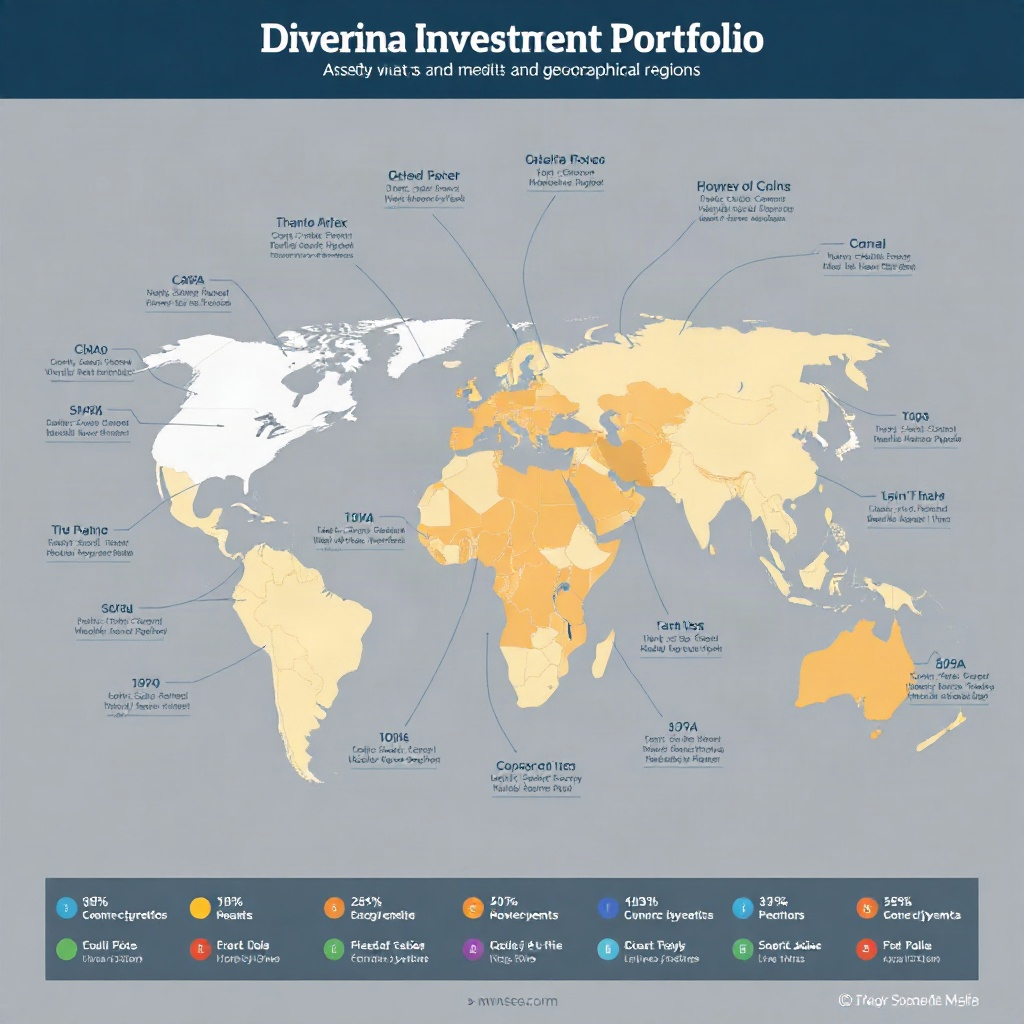
Diversification is a key principle in investing that can help reduce risk and improve returns. By spreading your investments across different asset classes, industries, and geographic regions, you can protect your portfolio from market volatility and potentially increase your overall returns.
Regularly Rebalancing Your Portfolio
Rebalancing your portfolio involves adjusting your investments to maintain your desired asset allocation. By regularly reviewing and rebalancing your portfolio, you can ensure that your investments are aligned with your financial goals and risk tolerance.
Staying Informed and Educated
Staying informed about market trends, economic indicators, and investment opportunities is crucial for making informed decisions. By staying educated and seeking professional advice when needed, you can make smarter investment choices and adapt to changing market conditions.
Investing for the Long Term
Successful investors understand the importance of long-term investing. By focusing on long-term goals and resisting the urge to time the market, you can benefit from the power of compounding and weather short-term market fluctuations.
Monitoring and Adjusting Your Strategy
Lastly, regularly monitoring and adjusting your investment strategy is essential for long-term success. By reviewing your portfolio performance, reassessing your financial goals, and making adjustments as needed, you can stay on track to achieve your long-term financial objectives.
In conclusion, building a successful long-term investment strategy requires careful planning, discipline, and a commitment to your financial goals. By following these key steps and staying focused on the long term, you can set yourself up for financial success and achieve your desired outcomes.