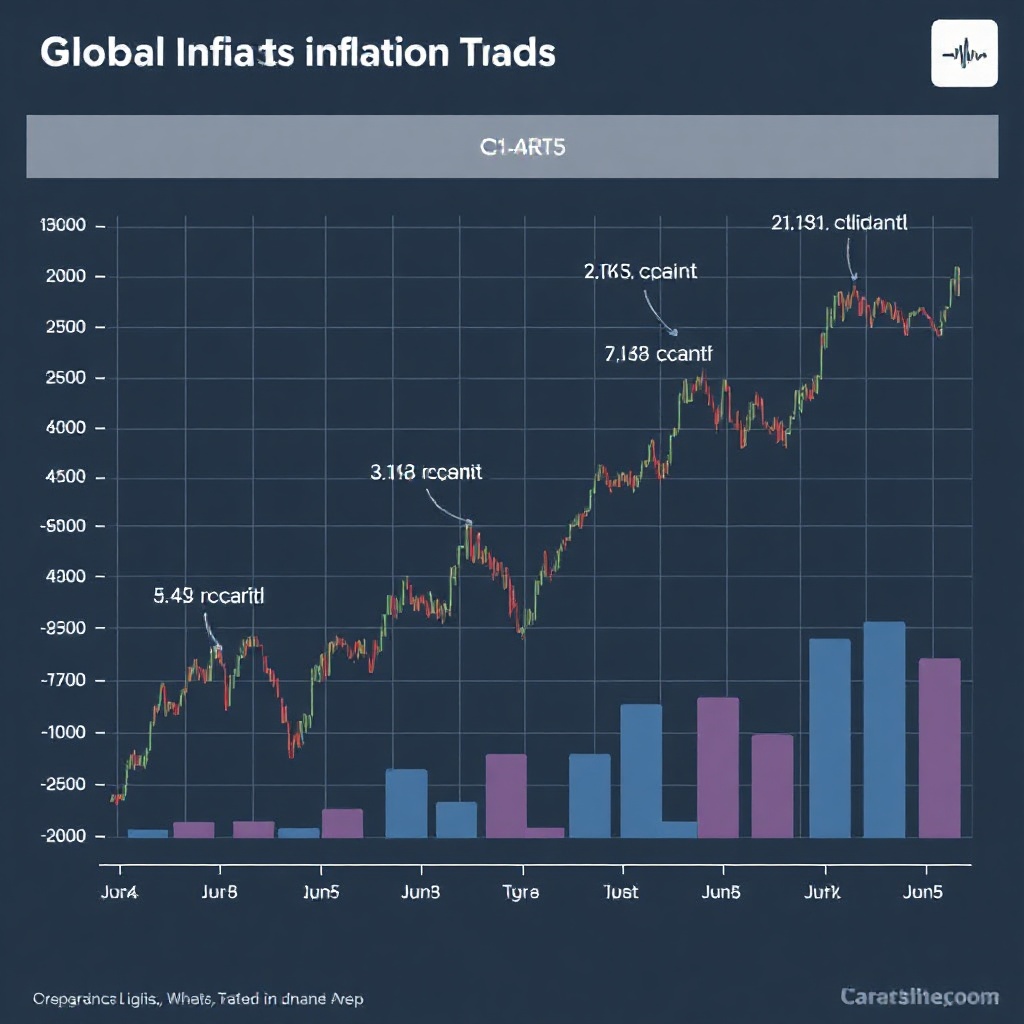
In recent years, global inflation trends have been a hot topic of discussion among economists, policymakers, and investors alike. Understanding the implications of these trends is crucial for individuals and businesses to make informed financial decisions. In this article, we will delve into the key factors driving global inflation trends and what they mean for the economy and financial markets.
Impact of Monetary Policy on Inflation
Monetary policy plays a significant role in shaping inflation trends in economies around the world. Central banks use tools like interest rates and quantitative easing to control inflation and stimulate economic growth. The effectiveness of these policies in managing inflation varies depending on the economic conditions and the goals of the central bank.
Supply Chain Disruptions and Inflation
Supply chain disruptions have become a major concern in recent years, leading to shortages of essential goods and driving up prices. Factors like natural disasters, trade disputes, and the COVID-19 pandemic have all contributed to disruptions in the global supply chain, impacting inflation rates across various industries.
Wage Growth and Inflation
Wage growth is another key factor that influences inflation trends. When wages rise faster than productivity, businesses may pass on the increased labor costs to consumers in the form of higher prices. This wage-price spiral can lead to sustained inflationary pressures in the economy, affecting purchasing power and overall economic stability.
Global Commodity Prices and Inflation
Commodity prices, including oil, metals, and agricultural products, have a direct impact on inflation levels. Fluctuations in commodity prices can drive up production costs for businesses, leading to higher prices for consumers. Geopolitical events, weather patterns, and global demand-supply dynamics all play a role in determining commodity prices and their impact on inflation.
Inflation Expectations and Consumer Behavior
Consumer expectations about future inflation can influence their current spending and saving decisions. If consumers expect prices to rise significantly in the future, they may accelerate their purchases to avoid paying higher prices later on. This shift in consumer behavior can further fuel inflationary pressures in the economy, creating a self-reinforcing cycle.
The Role of Central Banks in Managing Inflation
Central banks are tasked with the dual mandate of maintaining price stability and promoting full employment. To achieve these objectives, central banks use a combination of monetary policy tools to manage inflation and support economic growth. Balancing these objectives requires careful coordination and communication to ensure stable and sustainable economic conditions.