Unemployment is a critical factor that has a significant impact on the economic growth of a country. As people lose their jobs, their purchasing power decreases, leading to a decrease in consumer spending. This, in turn, affects various sectors of the economy and ultimately slows down economic growth. In this analysis, we will delve into the various ways in which unemployment can affect economic growth and explore potential solutions to mitigate its negative effects.
The Relationship Between Unemployment and GDP
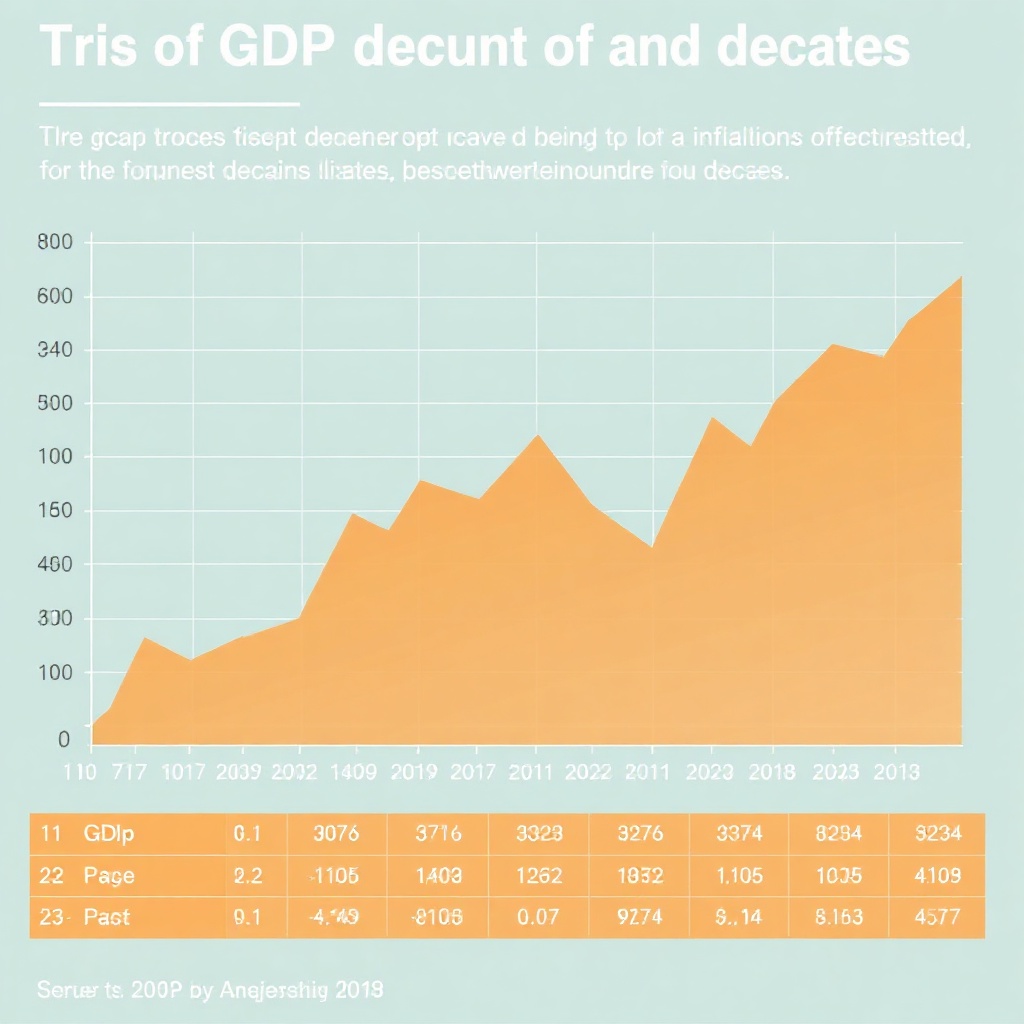
Unemployment and Gross Domestic Product (GDP) are closely intertwined. High levels of unemployment can lead to a decrease in GDP as fewer people are able to contribute to the economy. When unemployment rates rise, consumer confidence tends to decrease, leading to lower spending and investment. This creates a ripple effect throughout the economy, ultimately affecting the overall GDP growth.
Impact on Government Finances
Unemployment not only affects individuals and businesses but also has a significant impact on government finances. When people lose their jobs, they may rely on government assistance programs such as unemployment benefits and welfare. This places a strain on government resources and can lead to an increase in public debt. Moreover, lower tax revenues due to decreased economic activity can further exacerbate the budget deficit.
Social and Psychological Implications
Apart from the economic consequences, unemployment also has social and psychological implications. Job loss can lead to feelings of anxiety, depression, and low self-esteem among individuals. This can have a cascading effect on families and communities, leading to social unrest and a decline in overall well-being. Addressing the social and psychological impact of unemployment is crucial for maintaining social cohesion and stability.
Sectoral Disparities
Unemployment does not affect all sectors of the economy equally. Certain industries may be more susceptible to layoffs and job cuts, leading to sectoral disparities in unemployment rates. For example, during economic downturns, industries such as manufacturing and construction tend to experience higher levels of unemployment compared to sectors like healthcare and education. Understanding these sectoral disparities is essential for targeted policy interventions.
Policy Implications and Solutions
To combat the negative effects of unemployment on economic growth, policymakers must implement targeted interventions. This may include investing in education and training programs to upskill the workforce, creating incentives for businesses to hire more workers, and providing financial assistance to those who are unemployed. Additionally, promoting entrepreneurship and innovation can create new job opportunities and stimulate economic growth.
Global Perspectives
Unemployment is a global issue that affects countries across the world. In an interconnected global economy, the ripple effects of unemployment can be felt far and wide. Collaborative efforts between countries to address unemployment through international cooperation and coordination can lead to more sustainable and inclusive economic growth. By sharing best practices and implementing joint initiatives, countries can work towards reducing unemployment rates and fostering a more resilient global economy.