Central banks play a crucial role in shaping the financial markets through their decisions and policies. The actions taken by these institutions can have a significant impact on various asset classes, including currencies, stocks, and bonds. Understanding how central bank decisions move markets is essential for investors, traders, and policymakers alike.
The Role of Central Banks in the Economy
Central banks are responsible for maintaining price stability and economic growth. They achieve this by setting interest rates, conducting monetary policy, and regulating the financial system. The decisions made by central banks can influence inflation, employment, and overall economic activity.
Interest Rate Decisions and Market Reactions
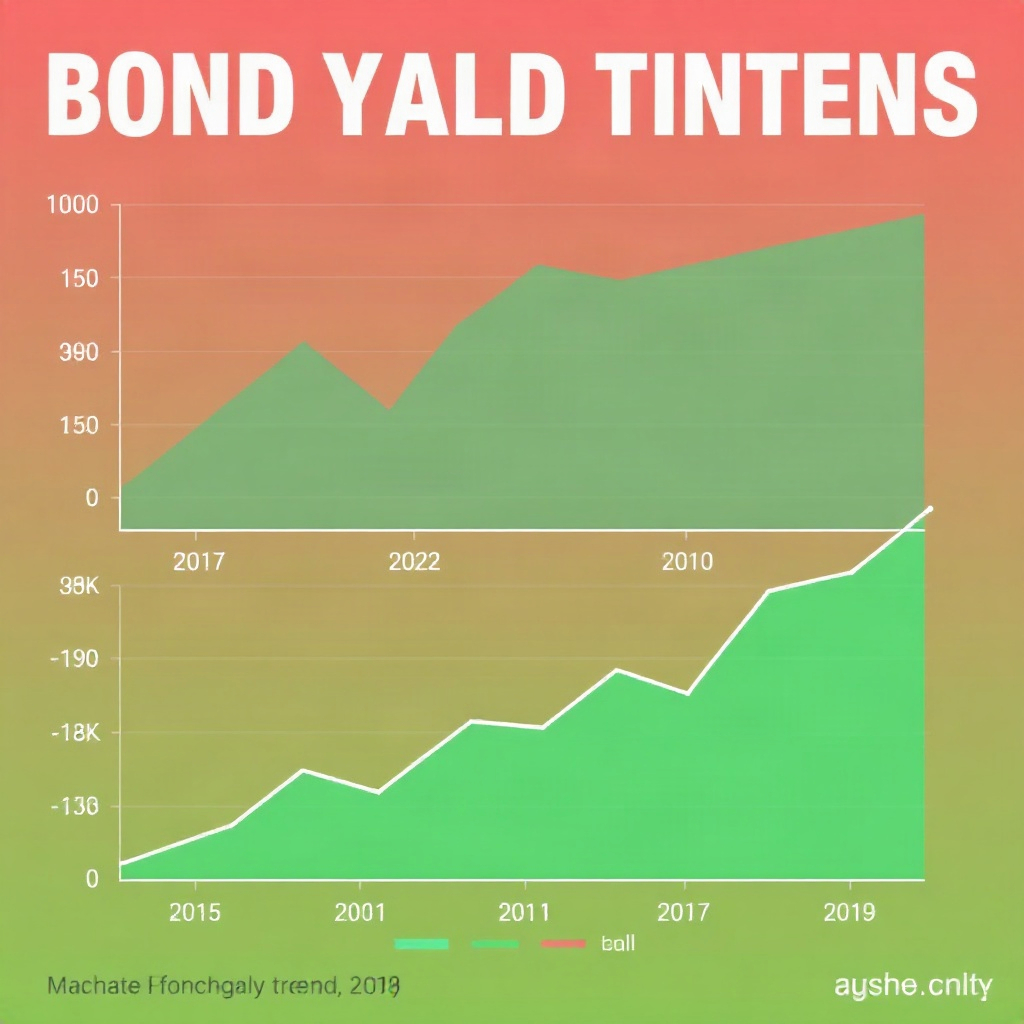
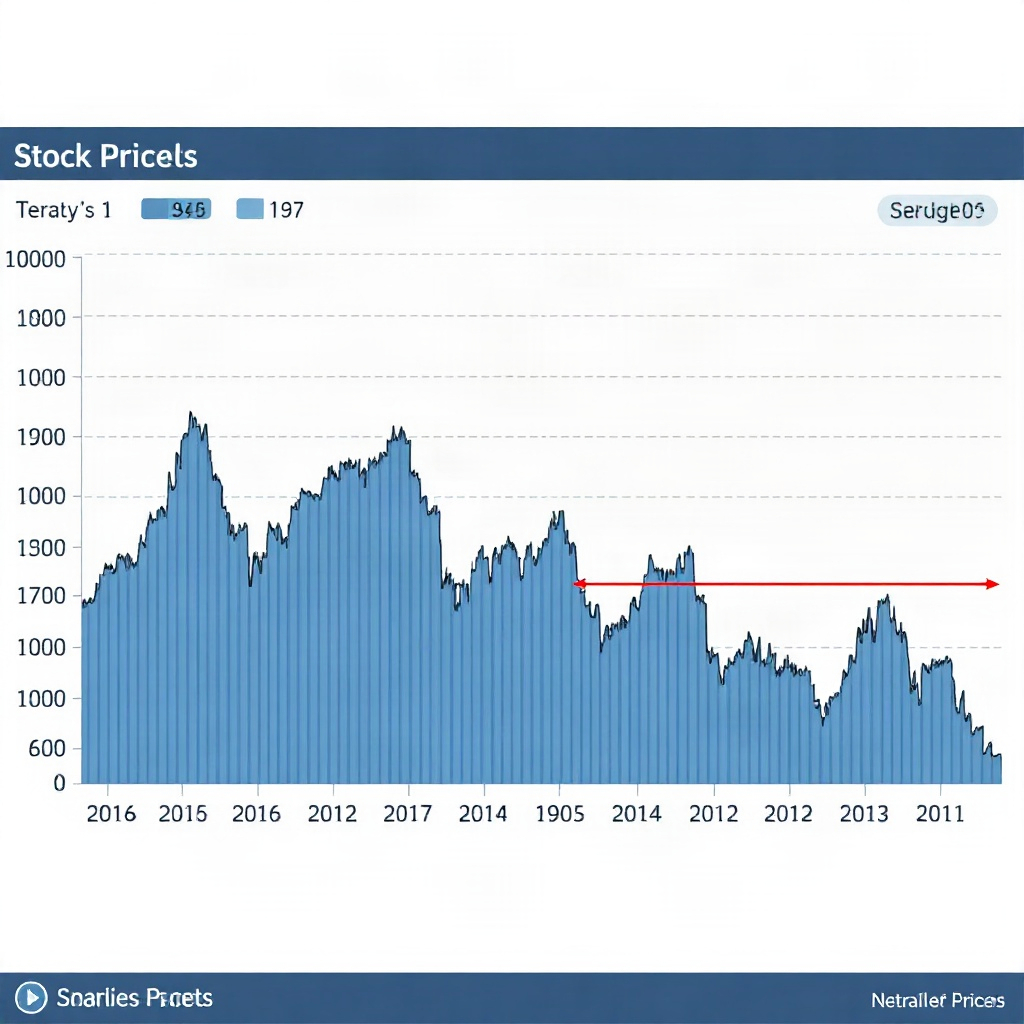
One of the key tools central banks use to influence the economy is the setting of interest rates. Changes in interest rates can have a direct impact on borrowing costs, consumer spending, and investment. When a central bank announces a change in interest rates, financial markets often react swiftly, with bond yields, stock prices, and currency values adjusting accordingly.
Quantitative Easing and Asset Purchases
In times of economic crisis, central banks may resort to unconventional policies such as quantitative easing (QE) and asset purchases. These measures involve the central bank buying government bonds or other assets to inject liquidity into the financial system. The announcement of QE programs can lead to a rally in stock prices and a depreciation of the currency.
Forward Guidance and Market Expectations
Central banks also use forward guidance to communicate their future policy intentions to the market. By providing guidance on interest rate hikes or cuts, central banks can influence market expectations and shape investor behavior. Clarity and transparency in communication are crucial for central banks to effectively manage market reactions.
Political Considerations and Market Uncertainty
Central bank decisions are not made in a vacuum and can be influenced by political considerations. Political pressure, elections, and geopolitical events can all impact central bank decision-making. Uncertainty surrounding central bank actions can lead to volatility in financial markets as investors react to changing expectations.
Global Interconnectedness and Spillover Effects
In today’s interconnected global economy, central bank decisions in one country can have spillover effects on other economies. Changes in monetary policy by major central banks like the Federal Reserve or the European Central Bank can reverberate across financial markets worldwide. Understanding these interconnections is essential for navigating the complexities of the global financial system.