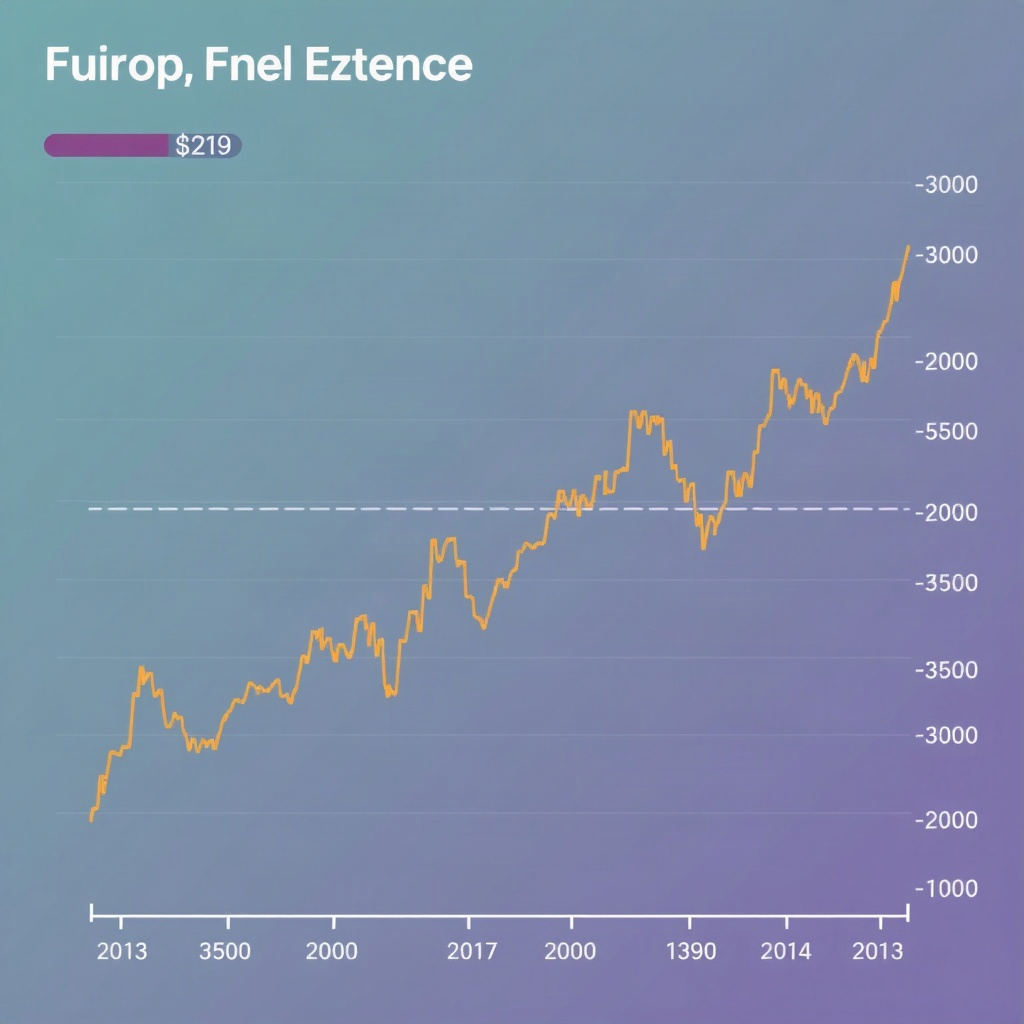
A recession is a significant decline in economic activity that lasts for an extended period of time, typically resulting in a decrease in GDP, employment, and income levels. Understanding how a recession starts is crucial for policymakers, investors, and the general public to navigate through challenging economic times. In this analysis, we will explore the key factors that contribute to the onset of a recession and the warning signs to look out for.
The Role of Supply and Demand
At the heart of every recession lies an imbalance between supply and demand in the economy. When demand for goods and services decreases significantly, businesses are forced to cut back on production, leading to layoffs and a decrease in consumer spending. This downward spiral can trigger a recession if left unchecked.
Monetary Policy and Interest Rates
Central banks play a crucial role in managing the economy through monetary policy. By adjusting interest rates, central banks can influence borrowing and spending behavior, which in turn affects economic growth. In some cases, a series of interest rate hikes can lead to a recession by making borrowing more expensive for businesses and consumers.
Fiscal Policy and Government Spending
Government spending is another key factor that can either prevent or exacerbate a recession. During times of economic downturn, governments can implement fiscal stimulus packages to boost demand and stabilize the economy. However, excessive government debt and deficits can also contribute to economic instability and trigger a recession.
Global Economic Factors
In today’s interconnected world, global economic factors can have a significant impact on individual economies. Trade wars, currency fluctuations, and geopolitical tensions can all contribute to a recession by disrupting supply chains, reducing exports, and increasing uncertainty in the global market. Keeping an eye on these external factors is essential for predicting and preparing for a recession.
Consumer Confidence and Sentiment
Consumer confidence plays a crucial role in driving economic growth. When consumers are optimistic about the future, they are more likely to spend and invest, fueling economic expansion. However, a decline in consumer sentiment can have a ripple effect on the economy, leading to decreased demand, lower business investment, and ultimately a recession.
Business Cycle and Economic Indicators
The business cycle is a natural phenomenon that consists of expansion, peak, contraction, and trough phases. By monitoring key economic indicators such as GDP growth, unemployment rates, and inflation, analysts can identify warning signs of an impending recession. Understanding the cyclical nature of the economy is essential for preparing for and mitigating the impact of a recession.
In conclusion, a recession is a complex and multifaceted phenomenon that can be triggered by a variety of economic, financial, and geopolitical factors. By closely monitoring supply and demand dynamics, monetary and fiscal policy decisions, global economic trends, consumer sentiment, and key economic indicators, policymakers and investors can better anticipate and respond to the onset of a recession. Being proactive and adaptive in the face of economic challenges is essential for navigating through turbulent times and ensuring a sustainable recovery.