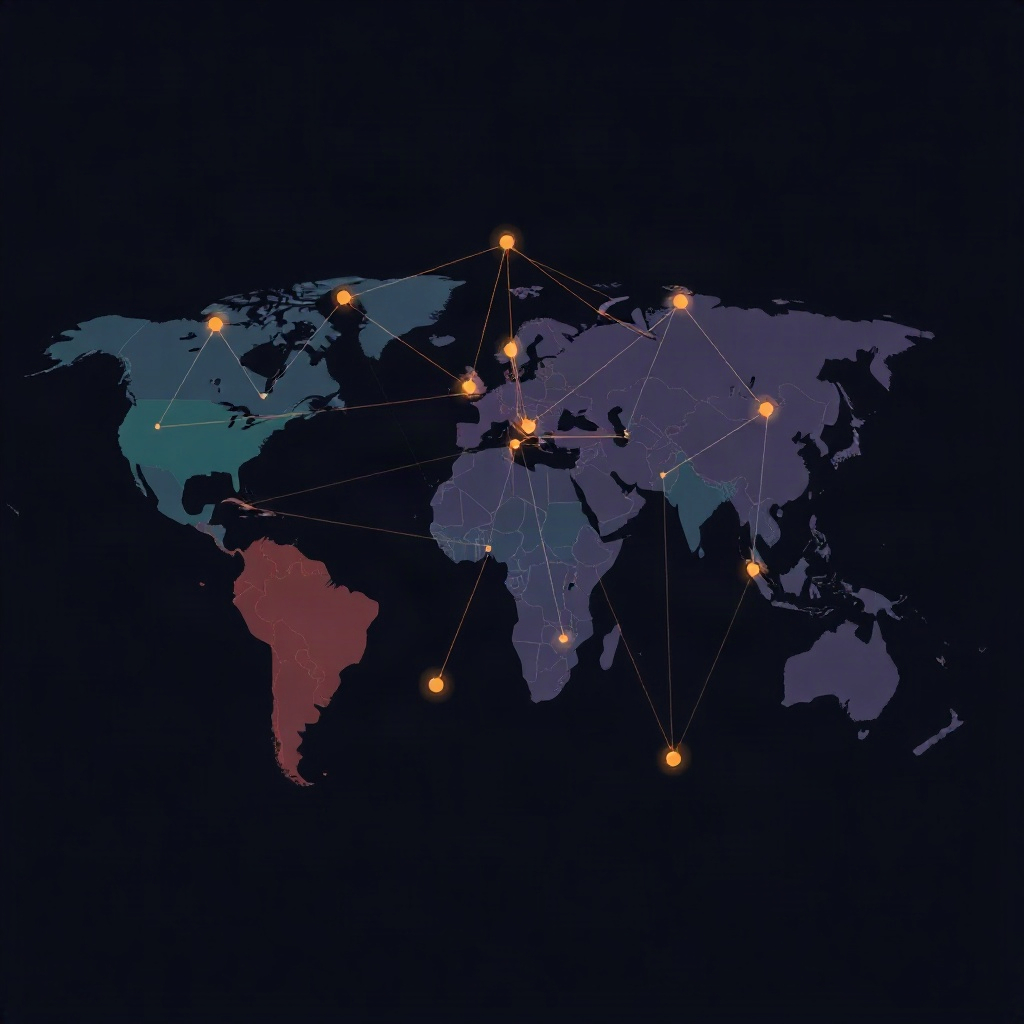
Understanding Global Liquidity Cycles and Emerging Markets
Global liquidity cycles play a crucial role in shaping the economic landscape of emerging markets. These cycles refer to the ebb and flow of liquidity in the global financial system, driven by factors such as central bank policies, interest rates, and market sentiment. Understanding how these cycles impact emerging markets is essential for investors, policymakers, and businesses operating in these regions.
Exploring the Connection Between Global Liquidity and Emerging Markets
There is a strong connection between global liquidity and emerging markets. When liquidity is abundant in the global financial system, investors are more willing to take on risk and seek higher returns in emerging markets. This influx of capital can lead to asset price booms, increased investment, and economic growth in these countries. Conversely, a tightening of global liquidity can have the opposite effect, causing capital outflows, currency depreciation, and financial instability in emerging markets.
The Influence of Global Liquidity Cycles on Emerging Markets
The influence of global liquidity cycles on emerging markets is multifaceted. On one hand, easy access to liquidity can fuel growth and development in these economies by providing the necessary funding for investment and expansion. On the other hand, a sudden reversal in liquidity conditions can expose vulnerabilities in emerging markets, leading to market corrections, currency crises, and economic downturns.
It is important for emerging market policymakers to be mindful of the impact of global liquidity cycles and take proactive measures to mitigate risks. Diversifying funding sources, building up foreign exchange reserves, and implementing sound macroeconomic policies can help enhance the resilience of emerging markets to external shocks stemming from fluctuations in global liquidity.
| Global Liquidity Cycles | Impact on Emerging Markets |
|---|---|
| Abundant liquidity | Asset price booms, increased investment, economic growth |
| Tightening liquidity | Capital outflows, currency depreciation, financial instability |
Understanding How Global Liquidity Cycles Shape Emerging Market Dynamics
Global liquidity cycles play a crucial role in shaping the dynamics of emerging markets. These cycles refer to the ebb and flow of credit and capital across the world, affecting the availability of funds for investment in emerging economies. Understanding how these cycles impact emerging markets is essential for investors, policymakers, and businesses operating in these regions.
A Deep Dive into Global Liquidity Cycles and Emerging Markets
Global liquidity cycles are influenced by a variety of factors, including central bank policies, interest rates, economic indicators, and geopolitical events. When liquidity is abundant, investors are more willing to take risks and invest in emerging markets, leading to increased capital inflows and economic growth. Conversely, during periods of liquidity crunch, investors may pull out their investments, causing currency devaluation and financial instability in emerging economies.
Emerging markets are particularly sensitive to global liquidity cycles due to their reliance on foreign capital to fund growth and development. Fluctuations in liquidity can impact asset prices, exchange rates, interest rates, and overall market sentiment in these economies.
Navigating Emerging Markets Through Global Liquidity Cycles
For investors and businesses looking to navigate emerging markets successfully, it is essential to monitor global liquidity conditions and their potential impact on these economies. Diversification, risk management strategies, and staying informed about macroeconomic trends can help mitigate the effects of volatile liquidity cycles.
Furthermore, policymakers in emerging markets need to adopt prudent fiscal and monetary policies to cushion their economies from external shocks caused by abrupt changes in global liquidity. Building foreign exchange reserves, implementing structural reforms, and attracting long-term investments are some of the measures that can enhance resilience to liquidity fluctuations.
| Impact of Global Liquidity Cycles on Emerging Markets | Strategies for Navigating Volatile Liquidity Cycles |
|---|---|
| Asset price volatility | Diversification of investment portfolios |
| Currency depreciation | Monitoring global liquidity indicators |
| Interest rate fluctuations | Adopting risk management strategies |
| Market sentiment shifts | Staying informed about macroeconomic trends |
Global Liquidity Trends and Their Effects on Emerging Markets
Global liquidity trends play a crucial role in shaping the economic landscape of emerging markets. Liquidity refers to the ease with which assets can be bought or sold without causing a significant impact on their prices. When there is ample liquidity in the global financial system, investors are more willing to take on risks and invest in emerging markets.
However, shifts in global liquidity conditions can have significant effects on emerging markets. For example, when liquidity tightens due to policy changes by major central banks, such as the Federal Reserve, it can lead to capital outflows from emerging markets as investors seek safer assets in developed markets. This can put pressure on emerging market currencies, increase borrowing costs, and hinder economic growth.
The interplay of global liquidity cycles and emerging markets is complex and dynamic. Emerging markets are often more vulnerable to changes in global liquidity conditions due to factors such as higher levels of foreign currency-denominated debt and reliance on external financing. As a result, they are more exposed to risks stemming from shifts in investor sentiment and changes in global interest rates.
The Interplay of Global Liquidity Cycles and Emerging Markets
Global liquidity cycles refer to the ebb and flow of liquidity in the global financial system, influenced by factors such as monetary policy decisions, market sentiment, and geopolitical events. These cycles can have a profound impact on emerging markets, influencing capital flows, asset prices, and overall economic stability.
During periods of abundant global liquidity, emerging markets may experience rapid inflows of capital, driving up asset prices and fueling economic growth. However, this can also lead to overheating and asset bubbles, increasing the vulnerability of emerging markets to sudden reversals in capital flows.
Conversely, during periods of tightening global liquidity, emerging markets may face challenges such as currency depreciation, rising borrowing costs, and reduced access to external financing. This can create significant headwinds for economic growth and financial stability in emerging markets.
Overall, the interplay of global liquidity cycles and emerging markets underscores the interconnectedness of the global financial system and the importance of monitoring and managing liquidity risks for sustainable economic development.
| Key Points | Implications |
|---|---|
| Global liquidity trends impact emerging markets | Capital flows, asset prices, and economic growth are influenced |
| Changes in global liquidity conditions affect investor sentiment | Risks of capital outflows, currency depreciation, and higher borrowing costs |
| Monitoring global liquidity cycles is essential for managing risks | Policies to mitigate vulnerabilities and promote financial stability |
[faq title=”What are global liquidity cycles?”]Global liquidity cycles refer to the patterns of availability and movement of capital across different regions and markets worldwide. These cycles can impact the flow of funds into and out of emerging markets, influencing their economic conditions and financial stability. [/faq]
[faq title=”How do global liquidity cycles affect emerging markets?”]Global liquidity cycles can have significant impacts on emerging markets. When liquidity is abundant, capital tends to flow into these markets, leading to increased investment, economic growth, and asset prices. Conversely, during periods of liquidity tightening, emerging markets may experience capital outflows, currency depreciation, and financial volatility. [/faq]
[faq title=”What factors contribute to global liquidity cycles?”]Several factors can contribute to global liquidity cycles, including central bank policies, interest rate movements, economic indicators, financial market conditions, and geopolitical events. Changes in these factors can influence the availability of liquidity in the global financial system, affecting the flow of capital to emerging markets. [/faq]
[faq title=”How can emerging markets prepare for fluctuations in global liquidity cycles?”]Emerging markets can take various measures to prepare for fluctuations in global liquidity cycles, such as maintaining sound macroeconomic policies, building up foreign exchange reserves, implementing flexible exchange rate regimes, diversifying funding sources, and strengthening financial regulations and supervision. These measures can help enhance the resilience of emerging markets to external shocks and capital flow volatility. [/faq]
[faq title=”What are some strategies for managing the impact of global liquidity cycles on emerging markets?”]To manage the impact of global liquidity cycles, emerging markets can consider diversifying funding sources, promoting domestic savings and investment, enhancing financial market development, strengthening risk management practices, and fostering policy coordination at the national and international levels. By implementing these strategies, emerging markets can better navigate the challenges posed by fluctuations in global liquidity cycles. [/faq]