Understanding the distinction between core competencies and capabilities is critical for organizations aiming to strategize effectively in today’s competitive landscape. Both terms are often used interchangeably but represent fundamentally different concepts that play significant roles in shaping an organization’s competitive advantage. Core competencies are the unique strengths and resource combinations that differentiate a company from its competitors, while capabilities are the operational abilities that enable a company to execute tasks efficiently. This article delves into the nuances between these two terms and offers insights on how businesses can leverage them for sustainable growth.
Defining Core Competencies The Heart of Competitive Advantage
Core competencies encompass the unique strengths of an organization that cannot be easily replicated by competitors. These are the integrated bundles of skills, technologies, and knowledge that provide a competitive edge in the marketplace. For instance, a technology firm may possess a core competency in innovative product development, stemming from its advanced research capabilities and a culture that fosters creativity. The identification of core competencies requires a deep understanding of the organization’s strategic vision and market position. Companies must conduct comprehensive analyses to pinpoint what they do best in comparison to their competitors. Recognizing these core competencies not only helps in effectively positioning the company in the market but also aids in resource allocation, ensuring that efforts are concentrated on areas that yield the highest returns.
Exploring Capabilities Operational Excellence
While core competencies define what an organization is uniquely good at, capabilities refer to the skills and resources that enable the organization to perform specific tasks proficiently. These can include operational processes, management systems, and procedural know-how. For example, a manufacturing company may excel in supply chain management, which qualifies as a capability rather than a core competency. It is essential for organizations to develop their capabilities to support their core competencies effectively. Robust capabilities ensure that the organization can execute its strategies and leverage its strengths in a manner that maximizes competitive advantage. As businesses evolve, they may need to adapt and enhance their capabilities, particularly in response to changing market dynamics or technological advancements.
The Interconnection How Core Competencies and Capabilities Work Together
Core competencies and capabilities are interdependent, functioning together to drive an organization’s success. While core competencies set the strategic direction, capabilities provide the operational backbone necessary to support these strategic initiatives. For instance, a company renowned for its customer service excellence must also have the necessary capabilities in place—such as training programs, support systems, and feedback mechanisms—to sustain that reputation. An organization that recognizes this interrelationship can create a synergistic effect, where enhancing capabilities not only supports existing core competencies but also opens avenues for developing new ones. This holistic approach enables organizations to remain agile and responsive to market changes while ensuring sustained competitive positioning.
Identifying and Cultivating Core Competencies
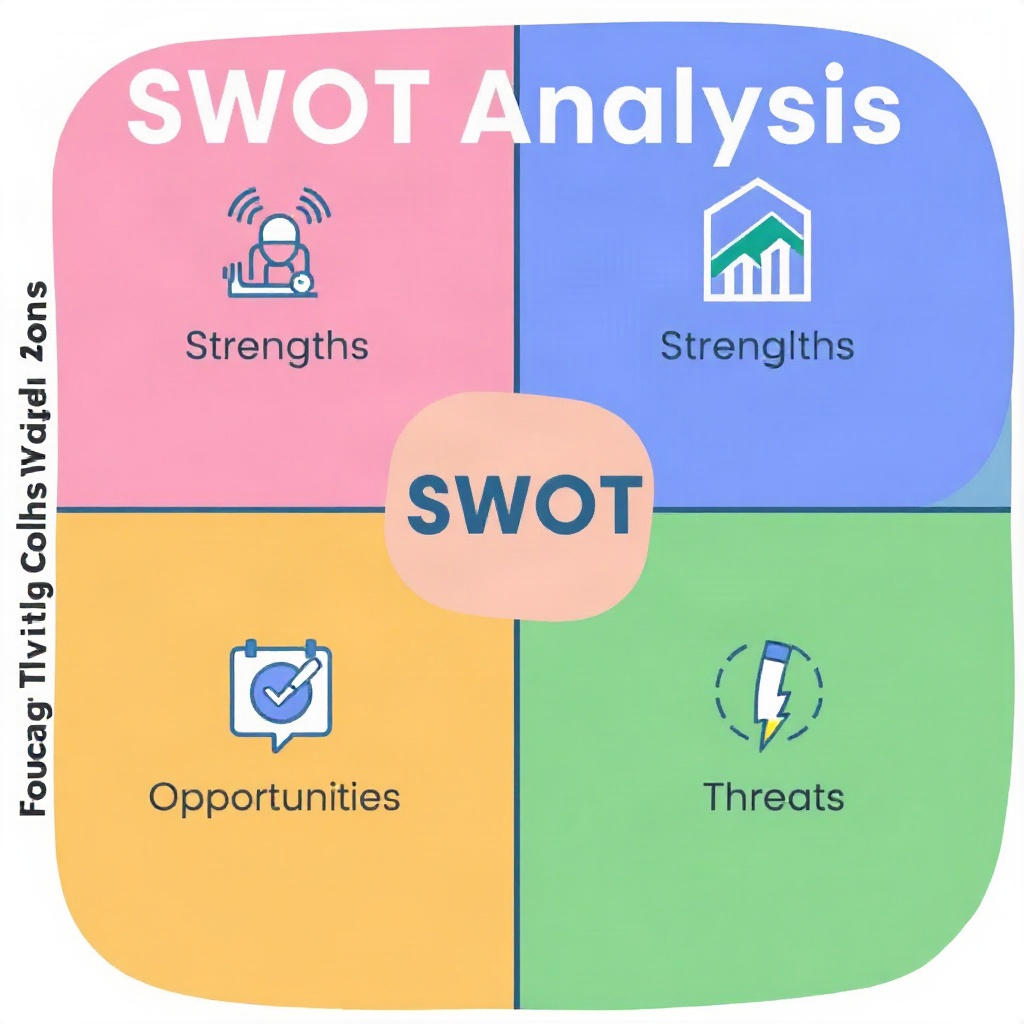
The process of identifying core competencies involves a thorough analysis of both internal and external factors. Organizations should assess their resources, skills, and market position while also considering industry trends and competitor strengths. Engaging in a SWOT analysis—evaluating strengths, weaknesses, opportunities, and threats—can be instrumental in this identification process. Once core competencies are recognized, organizations must actively cultivate and enhance them through targeted investments in training, technology, and innovation. This cultivation not only reinforces the competencies but also ensures they evolve in alignment with changing market demands. Companies that prioritize the development of core competencies are better positioned to leverage them in strategic planning and execution.
Assessing and Enhancing Capabilities
Enhancing capabilities requires a systematic approach, often beginning with an assessment of current operational processes. Organizations must identify gaps and inefficiencies that may hinder their performance. Implementing continuous improvement methodologies, such as Lean or Six Sigma, can lead to significant enhancements in operational capabilities. Moreover, investing in technology and employee training can bolster the efficiency and effectiveness of existing capabilities. Organizations should also foster a culture of agility, encouraging teams to adapt and innovate in response to market demands. By continuously assessing and enhancing their capabilities, businesses can ensure they remain competitive and capable of executing their strategies effectively.
The Impact on Business Strategy
Understanding the distinction between core competencies and capabilities is crucial for effective business strategy formulation. A business strategy that leverages core competencies can lead to a differentiation strategy, allowing a company to stand out in a crowded marketplace. Conversely, a focus on capabilities can support a cost leadership strategy, enabling a business to operate efficiently and offer competitive pricing. Companies that align their strategies with their core competencies and capabilities can create a coherent framework that drives sustainable growth. As businesses navigate the complexities of modern markets, integrating these concepts into strategic planning will be essential for long-term success.
Case Studies Real-World Applications
Numerous organizations have successfully harnessed the power of core competencies and capabilities to gain a competitive edge. For instance, Apple Inc. exemplifies a company that has effectively integrated its core competency in design and innovation with its capabilities in supply chain management and marketing. This synergy has allowed Apple to not only create groundbreaking products but also to deliver them efficiently and effectively to its customers. Similarly, Toyota’s emphasis on quality and continuous improvement highlights its core competency in manufacturing excellence and capability in lean production techniques. Through these real-world examples, it becomes evident that understanding and leveraging both core competencies and capabilities can lead to significant business success.