With the rapid advancement of technology, global supply chains are undergoing a significant transformation. Companies around the world are leveraging cutting-edge technologies to streamline their supply chain processes, enhance efficiency, and improve overall performance. In this article, we will explore how technology is revolutionizing global supply chains and the key trends shaping the future of supply chain management.
The Rise of Automation in Supply Chain Management
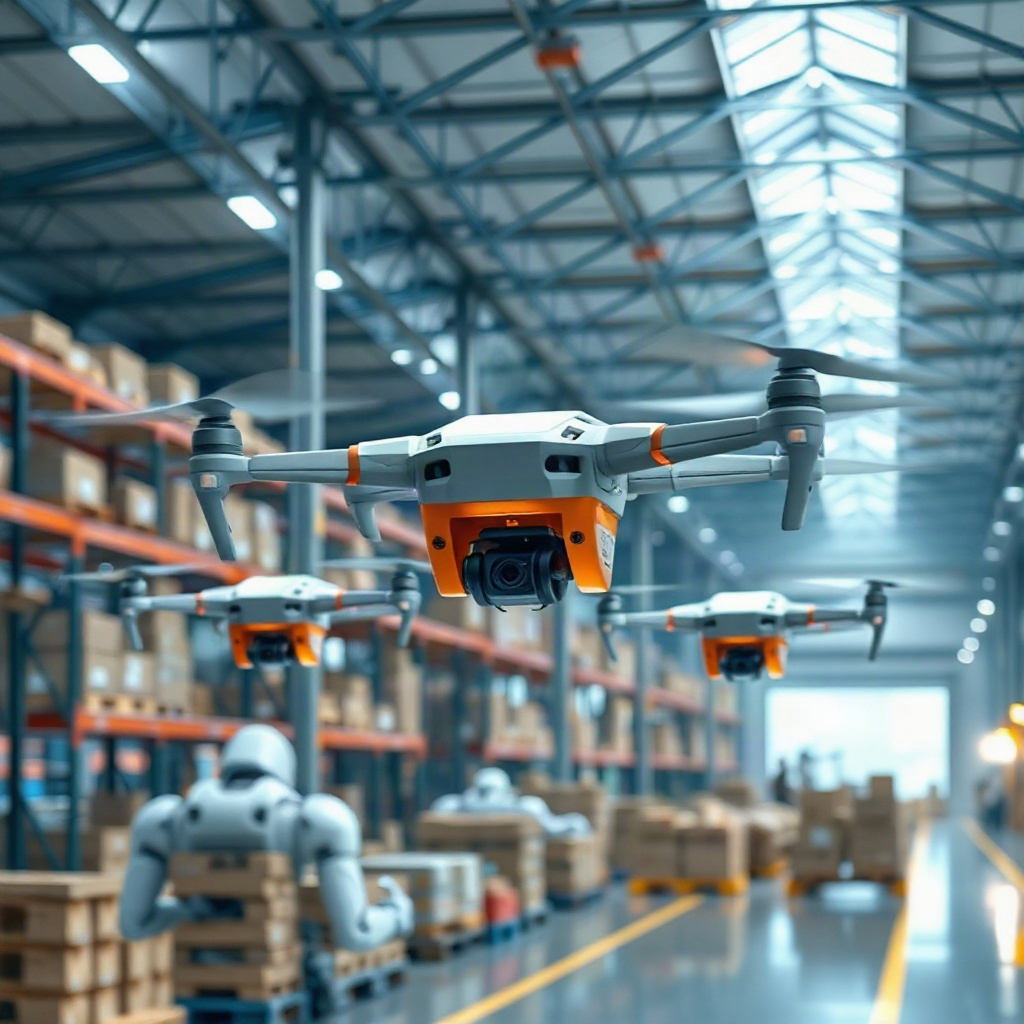
Automation is playing a crucial role in revolutionizing supply chain management. From automated warehouses and robotic pickers to autonomous vehicles and drones, technology is enabling companies to automate repetitive tasks, reduce human errors, and increase operational efficiency. With the integration of artificial intelligence and machine learning algorithms, companies can now predict demand, optimize inventory levels, and improve decision-making processes.
Blockchain Technology and Supply Chain Transparency
Blockchain technology is revolutionizing supply chain transparency by providing a secure and immutable record of transactions. By implementing blockchain-based tracking systems, companies can trace the journey of products from the point of origin to the end consumer, ensuring authenticity and reducing the risk of counterfeit goods. This technology also enhances trust among stakeholders, improves visibility into supply chain processes, and minimizes the impact of disruptions.
The Impact of IoT on Supply Chain Visibility
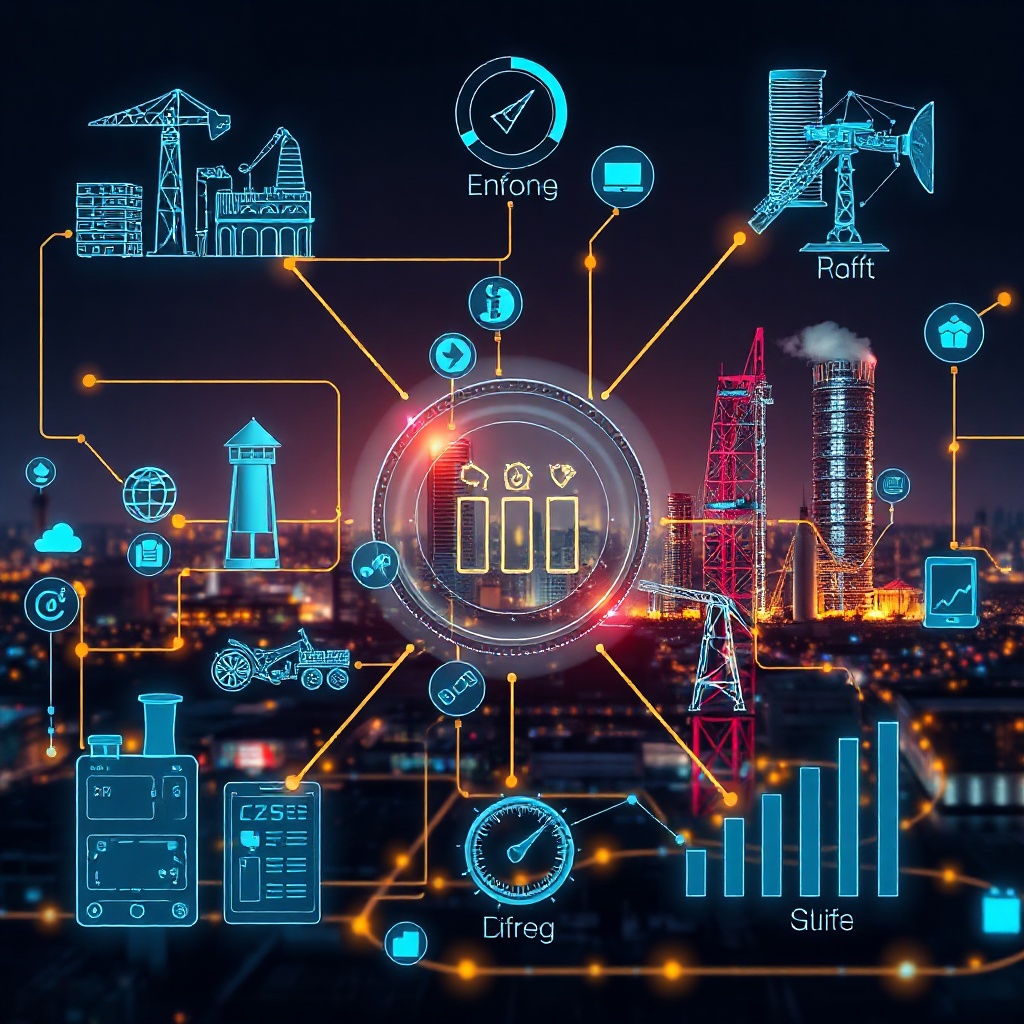
The Internet of Things (IoT) is transforming supply chain visibility by connecting physical objects to the digital world. By embedding sensors and devices in products, containers, and vehicles, companies can track their movement in real-time, monitor environmental conditions, and optimize routes for efficient transportation. IoT technology enables real-time data collection, analysis, and decision-making, empowering companies to respond quickly to changing market demands and ensure timely delivery of goods.
Leveraging Big Data Analytics for Supply Chain Optimization
Big data analytics is revolutionizing supply chain optimization by providing valuable insights into operational performance, customer behavior, and market trends. By analyzing large volumes of data generated from various sources, companies can identify patterns, trends, and anomalies, enabling them to make informed decisions, reduce costs, and improve overall efficiency. Big data analytics also enables predictive modeling, risk assessment, and performance monitoring, helping companies to stay competitive in a fast-paced global market.
The Role of 3D Printing in Supply Chain Innovation
3D printing is revolutionizing supply chain innovation by enabling on-demand production, customization, and rapid prototyping. With 3D printing technology, companies can reduce lead times, eliminate excess inventory, and respond quickly to changing customer preferences. This technology also allows for localized manufacturing, reducing transportation costs, carbon emissions, and supply chain risks. By integrating 3D printing into their supply chain processes, companies can enhance agility, flexibility, and sustainability.
The Future of Supply Chain Management AI and Robotics
The future of supply chain management lies in the integration of artificial intelligence and robotics. AI-powered supply chain systems can automate decision-making, optimize processes, and enhance collaboration among stakeholders. Robotics technology, such as autonomous vehicles and drones, can streamline transportation, warehousing, and distribution operations, reducing costs and increasing efficiency. By embracing AI and robotics, companies can build resilient, agile, and responsive supply chains that can adapt to dynamic market conditions and deliver superior customer experiences.
Sustainable Supply Chains The Green Technology Revolution
Sustainability is a growing focus in supply chain management, with companies adopting green technologies to reduce environmental impact and promote social responsibility. From renewable energy sources and electric vehicles to biodegradable packaging and circular supply chains, technology is enabling companies to build sustainable and eco-friendly supply chains. By embracing green technology solutions, companies can achieve cost savings, regulatory compliance, and brand differentiation, while contributing to a more sustainable and resilient global economy.