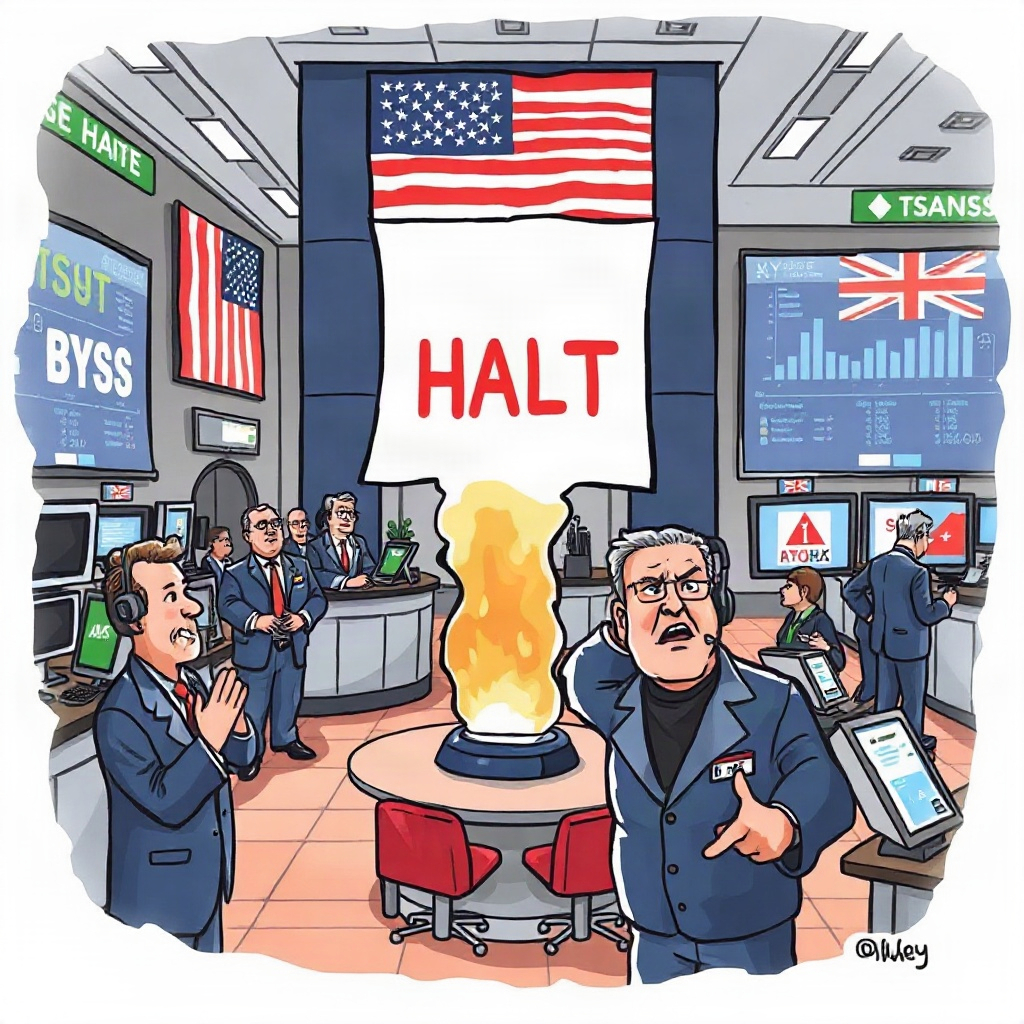
Trading halts, also known as trading pauses or circuit breakers, are temporary suspensions of trading for a specific security on a stock exchange. These halts are implemented by exchanges to protect investors and maintain orderly market conditions. In this article, we will delve into the reasons why exchanges pause a stock and how these halts work.
The Purpose of Trading Halts
Trading halts serve as a mechanism to prevent extreme price volatility and ensure that investors have time to digest important information. When unexpected news or events occur, such as a major corporate announcement or regulatory investigation, the exchange may decide to halt trading in the affected security. This pause gives investors an opportunity to reassess their positions and reduces the risk of panic selling or buying.
Types of Trading Halts
There are different types of trading halts that exchanges can implement, each serving a specific purpose. One common type is a news pending halt, which occurs when a company is about to release significant news that could impact its stock price. Another type is a volatility halt, triggered by rapid price movements that exceed pre-set thresholds. Finally, regulatory halts are imposed by exchanges when there are concerns about a company’s compliance with listing standards or regulations.
How Trading Halts Are Triggered
Trading halts are triggered automatically based on predefined criteria. For example, if a security experiences a sudden price drop of a certain percentage within a specified timeframe, the exchange may halt trading to prevent further declines. Similarly, if a stock experiences a sharp increase in price, a circuit breaker may be triggered to pause trading and allow the market to cool off.
Impact of Trading Halts on Investors
While trading halts are intended to protect investors, they can also have unintended consequences. For example, if a halt occurs during a period of high trading volume, investors may be unable to execute trades at desired prices. Additionally, extended trading halts can lead to uncertainty and speculation, further impacting the stock’s price when trading resumes.
Regulatory Framework for Trading Halts
Regulators play a crucial role in overseeing trading halts and ensuring that exchanges follow established procedures. In the United States, the Securities and Exchange Commission (SEC) sets guidelines for when and how trading halts should be implemented. Exchanges are required to promptly notify the public about the reasons for a trading halt and provide updates as necessary.
Conclusion
In conclusion, trading halts are a necessary tool for maintaining market stability and protecting investors from abrupt price movements. By understanding the reasons behind trading halts and their impact on stock trading, investors can better navigate volatile market conditions. Exchanges and regulators continue to refine their procedures for implementing trading halts to promote transparency and investor confidence.