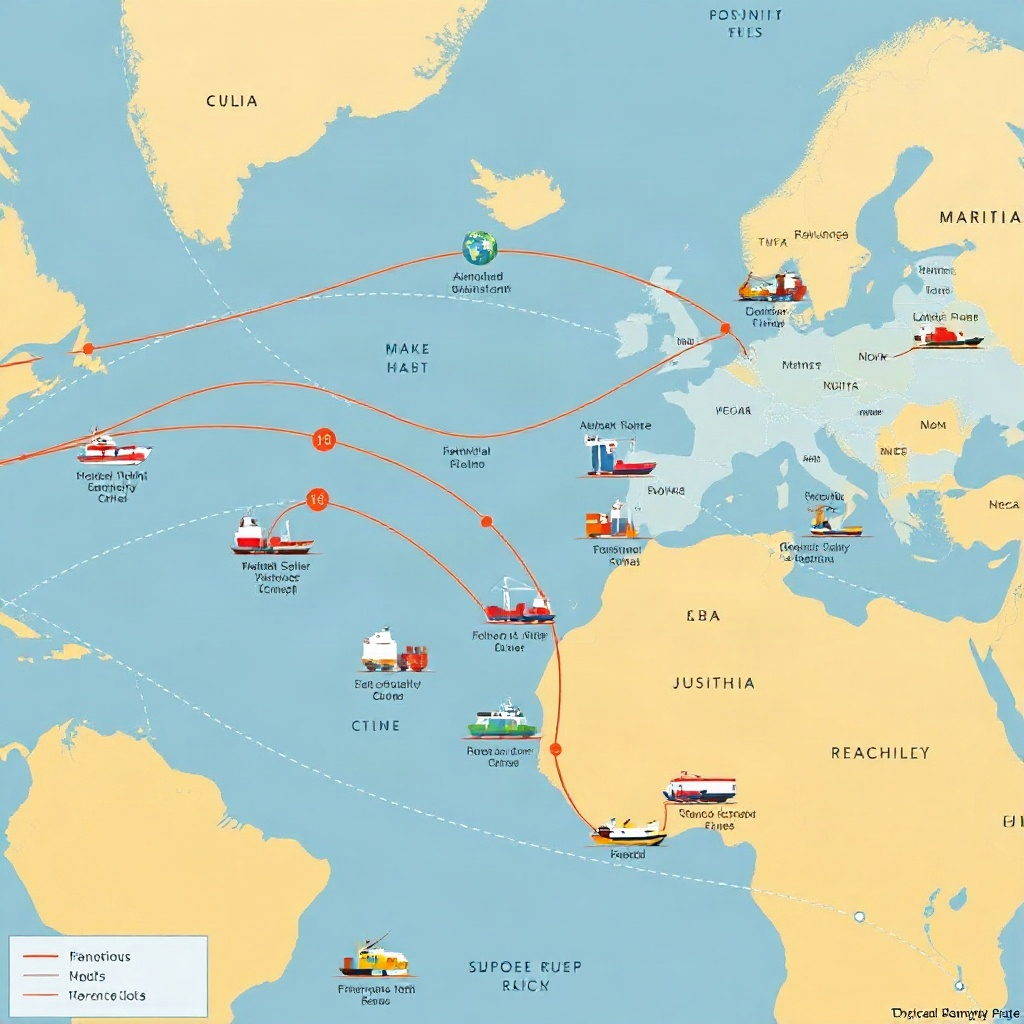
Freedom of navigation is a fundamental principle in international law that ensures the right of all states to navigate on the high seas freely. This principle is crucial for maintaining maritime security, protecting trade routes, and upholding the rule of law in the oceans.
Understanding Freedom of Navigation
Freedom of navigation encompasses the freedom of movement of ships and aircraft in international waters and airspace. It is based on the idea that the seas and skies are global commons, belonging to all nations and not subject to the jurisdiction of any single state.
Historical Development of Freedom of Navigation
The concept of freedom of navigation has deep historical roots, dating back to ancient times when maritime trade routes were essential for the prosperity of civilizations. Over the centuries, various treaties and conventions have been established to codify and protect this principle.
Legal Framework for Freedom of Navigation
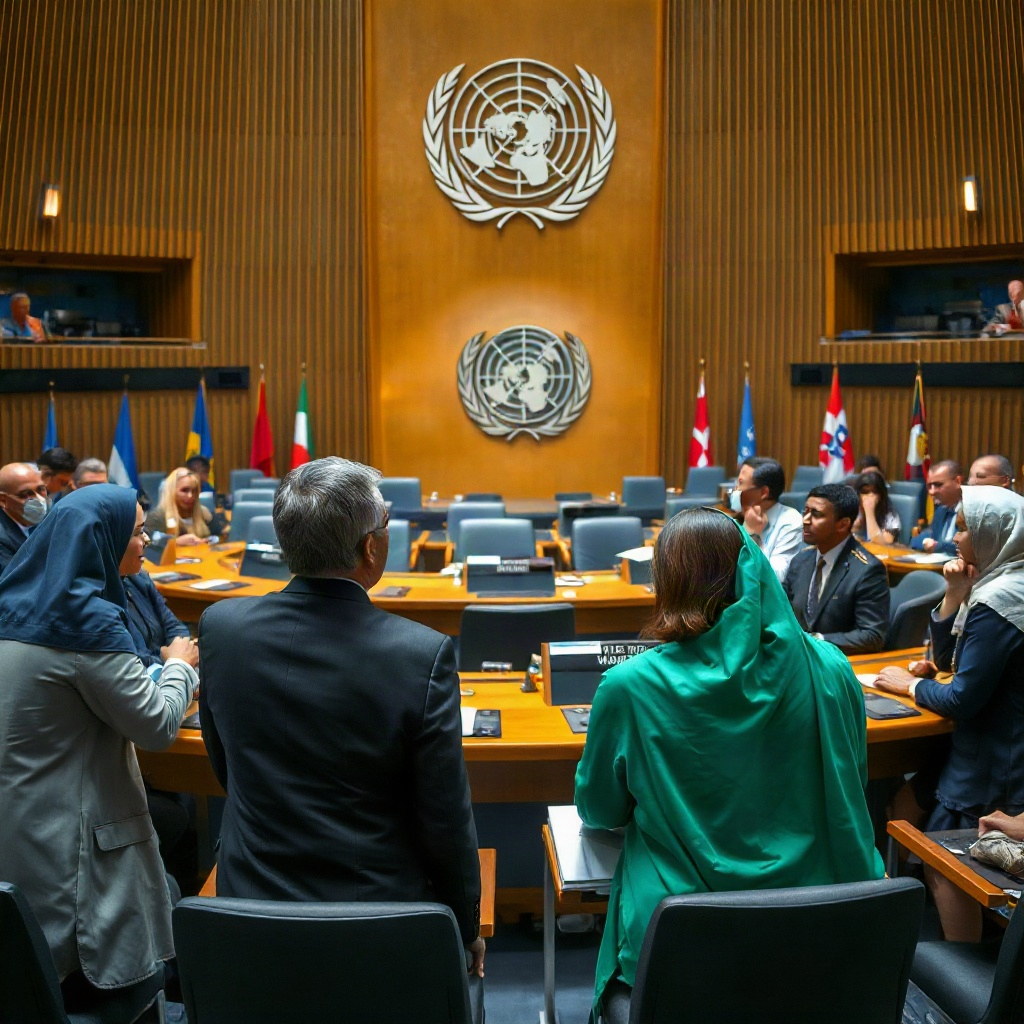
International law, particularly the United Nations Convention on the Law of the Sea (UNCLOS), provides the legal framework for freedom of navigation. UNCLOS sets out the rights and responsibilities of states in the use of the world’s oceans, including the freedom of navigation.
Challenges to Freedom of Navigation
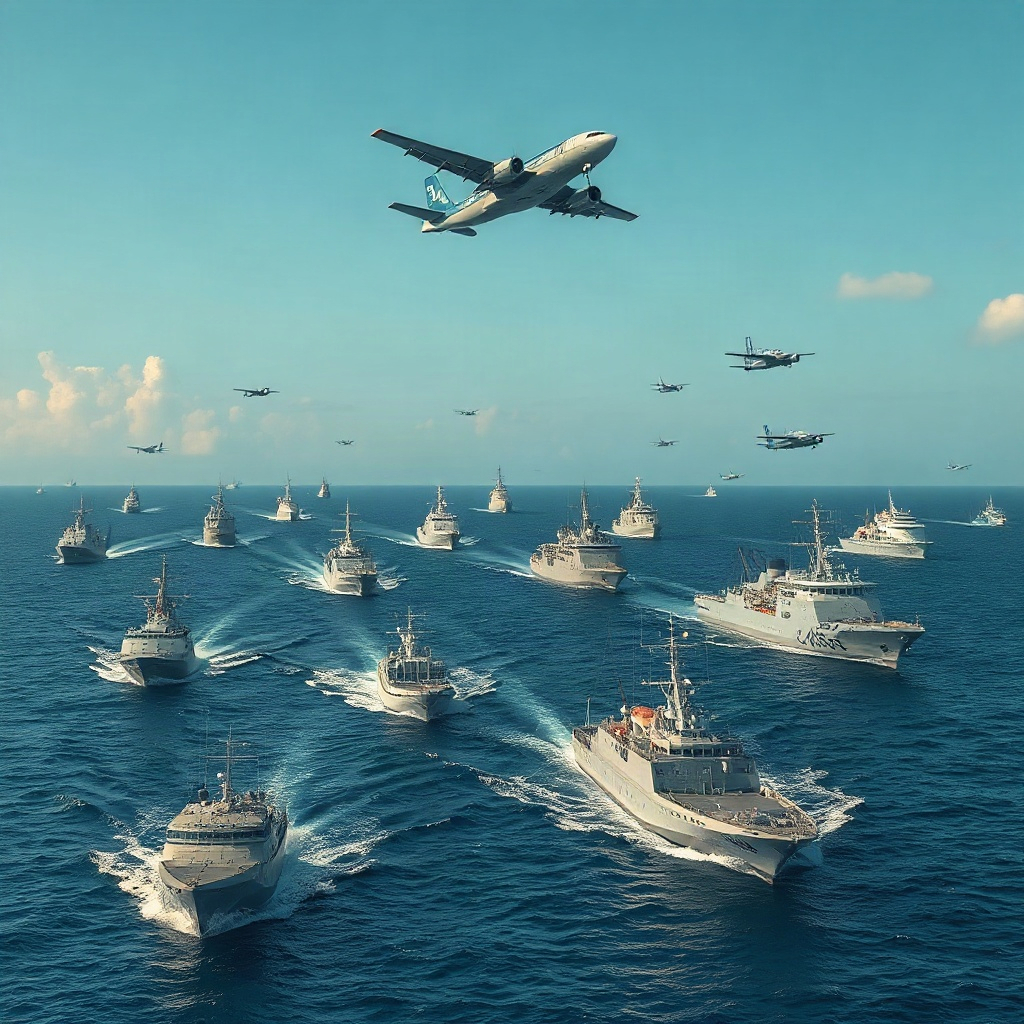
Despite the legal safeguards in place, freedom of navigation faces numerous challenges in the modern world. Territorial disputes, militarization of the seas, and piracy are just some of the issues that threaten the free flow of maritime traffic.
Protecting Freedom of Navigation
To safeguard freedom of navigation, states must adhere to international law, resolve disputes peacefully, and cooperate on maritime security issues. Multilateral agreements, such as the Code for Unplanned Encounters at Sea (CUES), help promote transparency and reduce the risk of conflict at sea.
The Future of Freedom of Navigation
As technology advances and new security threats emerge, the concept of freedom of navigation will continue to evolve. States must adapt to these changes and work together to ensure the peaceful and secure use of the world’s oceans for future generations.