Global power dynamics are constantly evolving in today’s interconnected world. From shifts in economic influence to changes in political alliances, the landscape of power is in a state of flux. In this article, we will explore how global power is changing and the implications of these changes.
The Rise of Non-State Actors
One of the most significant shifts in global power dynamics is the rise of non-state actors. From multinational corporations to non-governmental organizations, these entities wield significant influence on the international stage. Their ability to shape policies and decisions has challenged the traditional power structures dominated by nation-states.
Technology and Power
Advancements in technology have also played a crucial role in reshaping global power dynamics. The rise of digital platforms and artificial intelligence has given tech giants unprecedented power to influence public opinion and shape global narratives. The ability to control information has become a potent tool in the hands of those who master technology.
Shifting Economic Centers
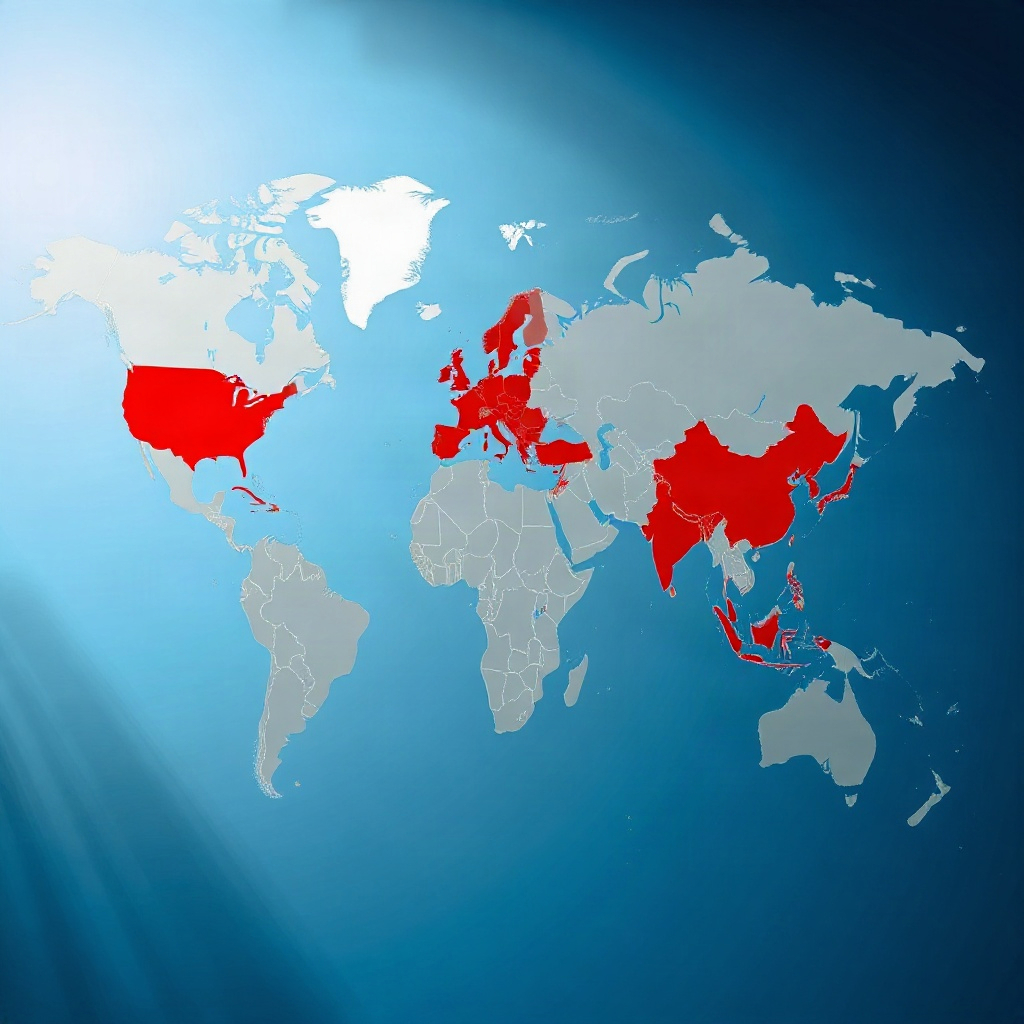
The traditional powerhouses of the global economy are facing competition from emerging markets. Countries like China and India have experienced rapid economic growth, challenging the dominance of Western powers. The redistribution of economic power has far-reaching implications for global politics and trade relations.
Climate Change and Geopolitics
The impact of climate change is not limited to environmental concerns; it also has significant geopolitical implications. As natural disasters become more frequent and severe, countries are forced to reconsider their strategic interests and alliances. The fight for scarce resources and the need for sustainable development are reshaping global power dynamics.
Soft Power and Influence
Soft power, the ability to influence others through attraction and persuasion rather than coercion, has become increasingly important in shaping global relations. Cultural influence, diplomatic efforts, and public diplomacy play a crucial role in enhancing a country’s soft power and projecting its influence on the world stage.
The Future of Global Power
As we navigate through the complexities of an interconnected world, the future of global power remains uncertain. The rise of new actors, the impact of technology, and the challenges posed by climate change require a reevaluation of traditional power dynamics. Adapting to these changes will be crucial in maintaining stability and cooperation in the international arena.