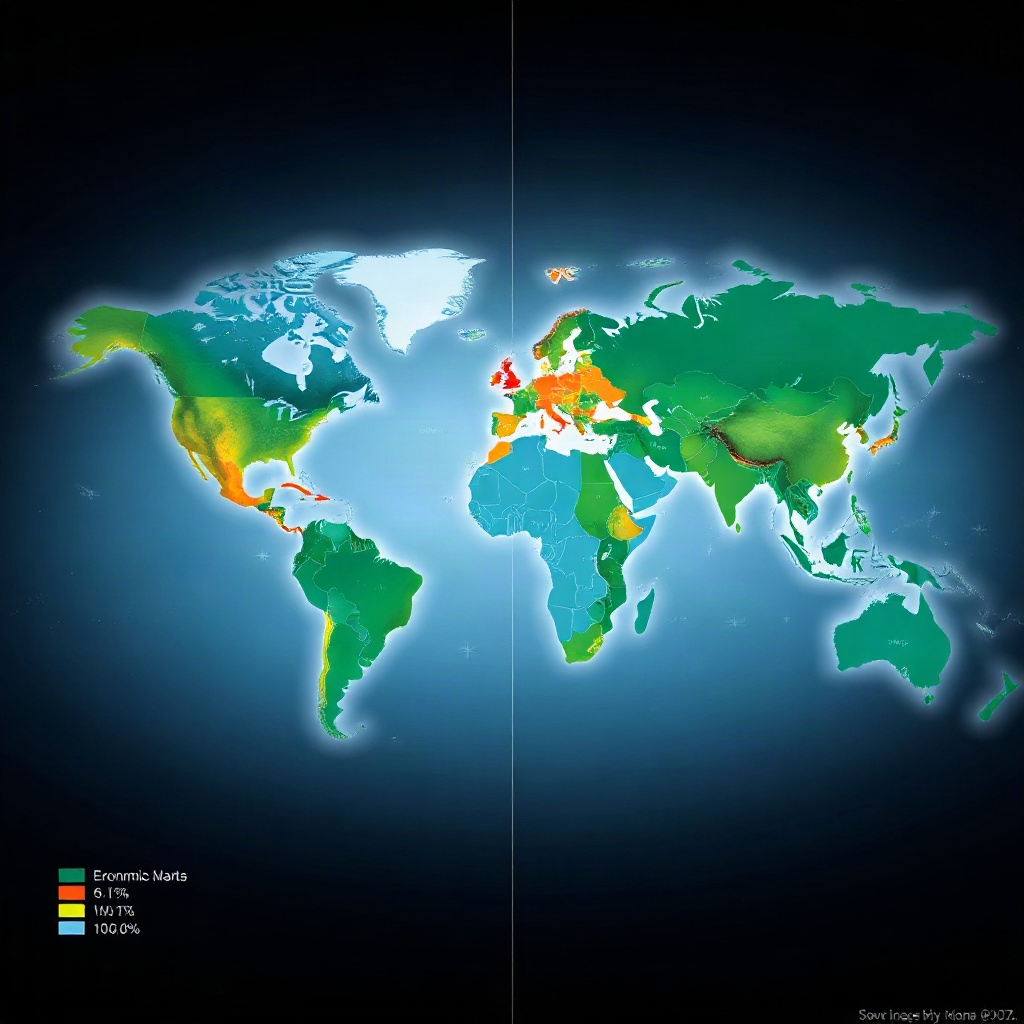
In today’s globalized world, comparing economic data across countries has become a common practice for policymakers, investors, and researchers. However, this process is not without its challenges. In this analysis, we will explore some of the common mistakes that are made when comparing economic data across different countries.
Data Quality Discrepancies
One of the most common mistakes when comparing economic data across countries is failing to account for differences in data quality. Each country has its own methods of collecting and reporting economic data, which can lead to discrepancies in the data. It is important to carefully evaluate the quality of the data before making any comparisons.
Currency Conversion Errors
Another common mistake is failing to accurately convert currencies when comparing economic data. Exchange rates fluctuate constantly, and failing to use the correct exchange rate can lead to inaccurate comparisons. It is essential to use up-to-date exchange rates and reliable sources for currency conversion.
Different Base Years
When comparing economic data such as GDP or inflation rates, it is crucial to ensure that the data is adjusted for different base years. Failure to account for this can lead to skewed comparisons and inaccurate conclusions. Always make sure to use data that has been adjusted to a common base year for accurate comparisons.
Ignoring Cultural and Institutional Differences
Comparing economic data across countries requires more than just looking at numbers. It is essential to consider the cultural and institutional differences that may impact the data. Factors such as government regulations, political stability, and social norms can have a significant impact on economic data and should be taken into account when making comparisons.
Failure to Consider Seasonal Adjustments
Seasonal fluctuations can have a significant impact on economic data, especially in industries such as tourism or agriculture. Failing to account for seasonal adjustments when comparing data can lead to misleading conclusions. Always make sure to use seasonally adjusted data for accurate and meaningful comparisons.
Overlooking Historical Context
Finally, one common mistake when comparing economic data across countries is overlooking the historical context. Economic data does not exist in a vacuum and is often influenced by historical events and trends. It is crucial to consider the historical context of the data to fully understand the trends and patterns that are being observed.
In conclusion, comparing economic data across countries is a complex process that requires careful consideration of various factors. By avoiding these common mistakes and taking a holistic approach to data analysis, researchers can ensure that their comparisons are accurate and meaningful.