Trade plays a significant role in the global economy, with ports and shipping routes serving as crucial components of this interconnected system. The efficiency and cost-effectiveness of trade are heavily influenced by the strategic location of ports and the optimization of shipping routes. In this article, we will explore how ports and shipping routes shape the cost of trade, examining the key factors that impact the flow of goods and services around the world.
The Importance of Ports in Global Trade
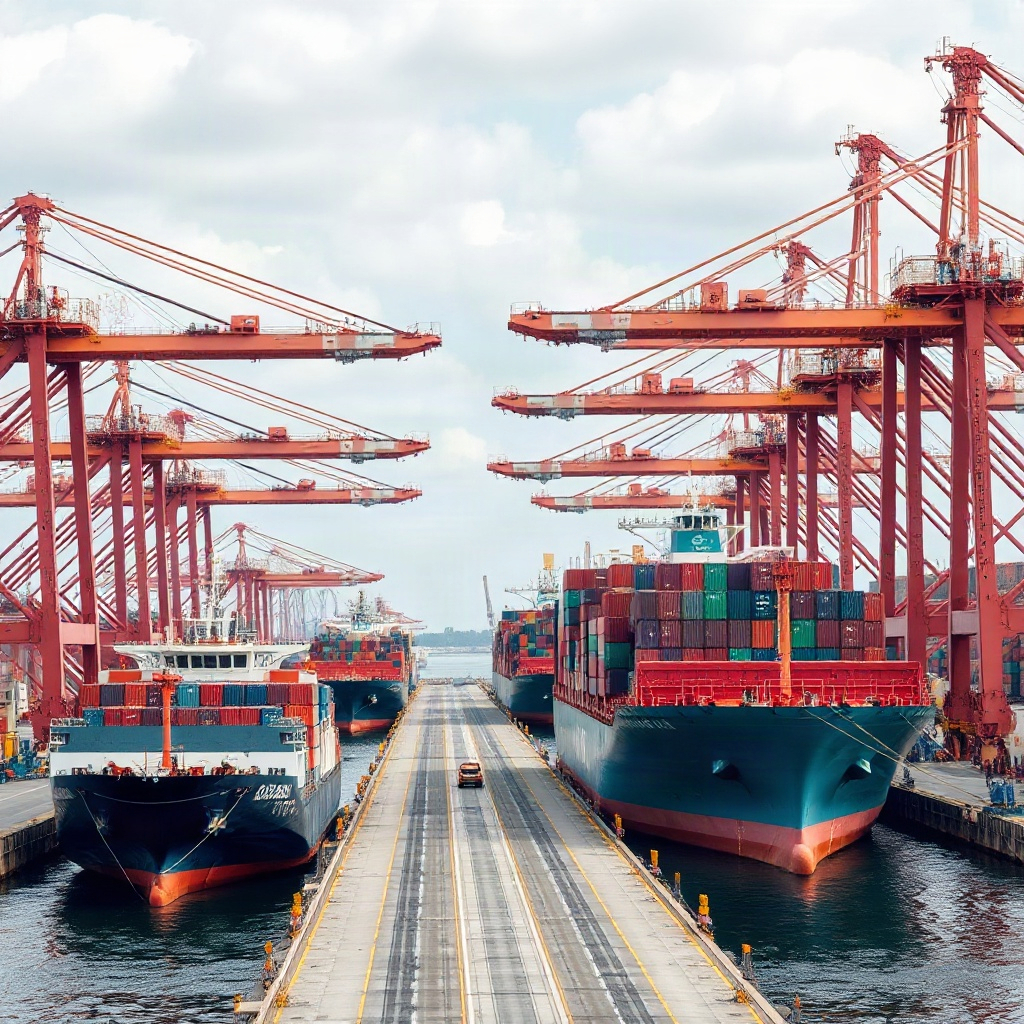
Ports serve as essential hubs for international trade, facilitating the movement of goods between countries and continents. The location of a port can significantly impact the cost of trade, with ports situated in strategic locations enjoying lower transportation costs and faster delivery times. Factors such as proximity to major markets, access to transportation infrastructure, and operational efficiency all play a role in determining the cost-effectiveness of a port.
Strategic Shipping Routes and Trade Efficiency
Shipping routes are the arteries of global trade, connecting ports and facilitating the movement of goods across oceans and seas. Strategic shipping routes are carefully planned to optimize efficiency, reduce fuel consumption, and minimize transit times. By selecting the most cost-effective shipping routes, traders can lower their transportation costs and improve the overall competitiveness of their products in the global market.
The Impact of Infrastructure Investment on Trade Costs
Investments in port infrastructure and shipping facilities can have a significant impact on the cost of trade. Modernizing port facilities, expanding capacity, and implementing advanced technologies can improve efficiency, reduce turnaround times, and lower operating costs. By investing in infrastructure upgrades, countries can attract more trade volumes, enhance their competitiveness, and drive economic growth.
Environmental Regulations and Trade Costs
Environmental regulations play a growing role in shaping the cost of trade, particularly in the maritime industry. Shipping companies are increasingly required to comply with stringent environmental standards, such as emission controls and ballast water management. While these regulations can increase operating costs for traders, they also contribute to environmental sustainability and the long-term health of the planet.
Technological Innovations in Trade Logistics
Technological advancements have revolutionized trade logistics, offering new tools and solutions to optimize supply chains and reduce trade costs. From blockchain technology for transparent supply chain management to autonomous vessels for efficient shipping operations, innovative technologies are reshaping the way goods are transported around the world. By embracing these digital solutions, traders can streamline their operations, improve efficiency, and reduce costs.
The Future of Ports and Shipping Routes
As global trade continues to evolve, the future of ports and shipping routes will be shaped by a combination of economic, environmental, and technological factors. Sustainable practices, digitalization, and collaboration among stakeholders will play a crucial role in driving down trade costs, improving efficiency, and ensuring the smooth flow of goods across borders. By adapting to these changing dynamics, ports and shipping routes can remain vital components of the global trade network.