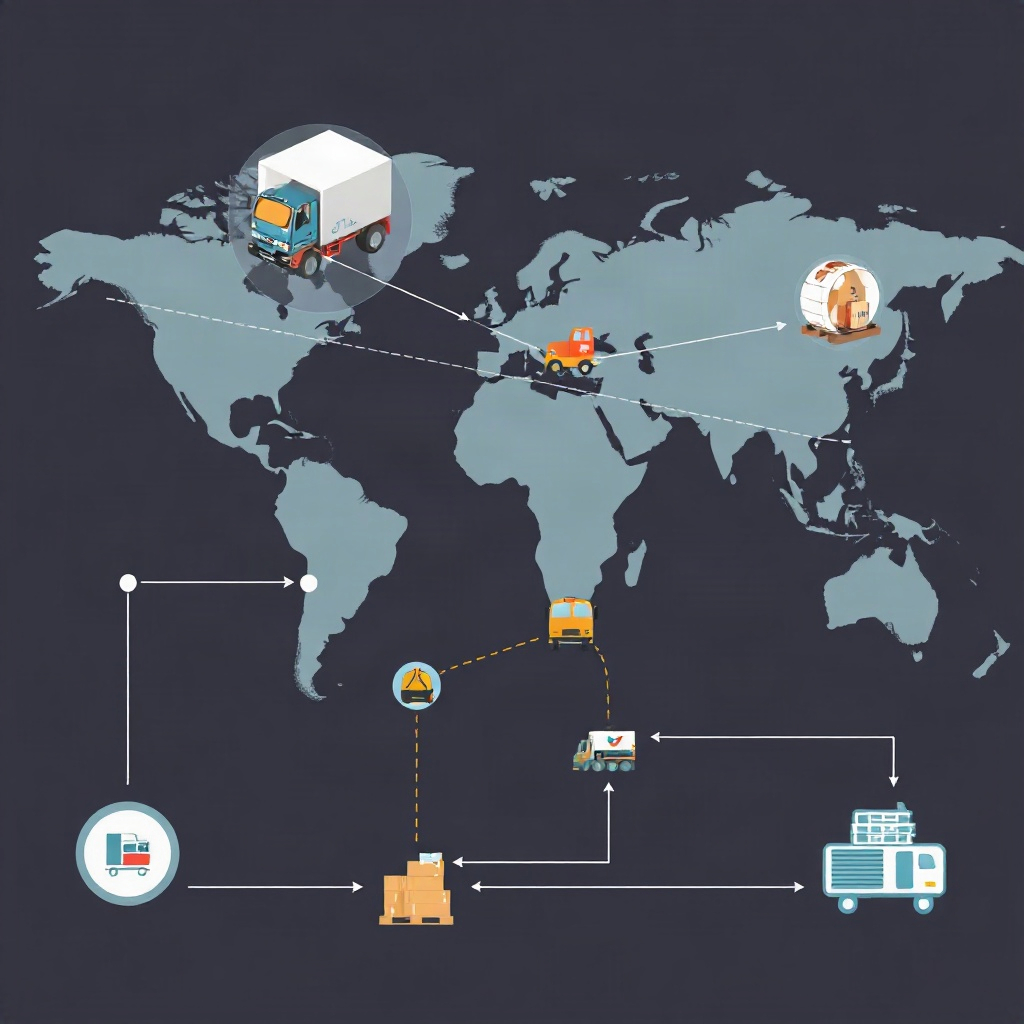
In today’s globalized economy, businesses are constantly faced with the challenge of assessing their supply chain exposure across different regions. A thorough evaluation is crucial to identify potential risks and vulnerabilities that may impact the efficiency and resilience of the supply chain. This article presents a comprehensive checklist for businesses to assess their supply chain exposure across regions and mitigate potential risks effectively.
Understanding Supply Chain Exposure
Supply chain exposure refers to the level of risk that a company faces due to its reliance on suppliers, manufacturers, distributors, and other partners across various regions. It encompasses factors such as geographical location, political stability, natural disasters, economic conditions, and regulatory frameworks that may impact the flow of goods and services within the supply chain.
Importance of Assessing Supply Chain Exposure
Assessing supply chain exposure is essential for businesses to proactively identify and mitigate potential risks that may disrupt operations and impact profitability. By evaluating the vulnerabilities in different regions, companies can develop contingency plans, diversify their supplier base, and strengthen relationships with key partners to enhance the resilience of their supply chain.
Checklist for Assessing Supply Chain Exposure
1. Conduct a thorough risk assessment of each region where your suppliers, manufacturers, and distributors are located.
2. Evaluate the political stability, economic conditions, and regulatory environment in each region to assess potential risks.
3. Identify key suppliers and partners in high-risk regions and develop alternative sourcing strategies to mitigate supply chain disruptions.
4. Assess the impact of natural disasters, geopolitical tensions, and trade conflicts on the supply chain and develop risk mitigation strategies accordingly.
5. Monitor emerging trends and developments in each region that may affect the supply chain and adjust your strategies accordingly.
6. Establish communication channels with key partners and stakeholders to ensure transparency, collaboration, and effective risk management across regions.
Mitigating Supply Chain Risks
By following this checklist and proactively assessing supply chain exposure across regions, businesses can mitigate risks, enhance operational efficiency, and ensure business continuity in the face of unforeseen challenges. Adopting a proactive approach to risk management and building resilience in the supply chain is crucial for sustainable growth and long-term success in today’s dynamic business environment.