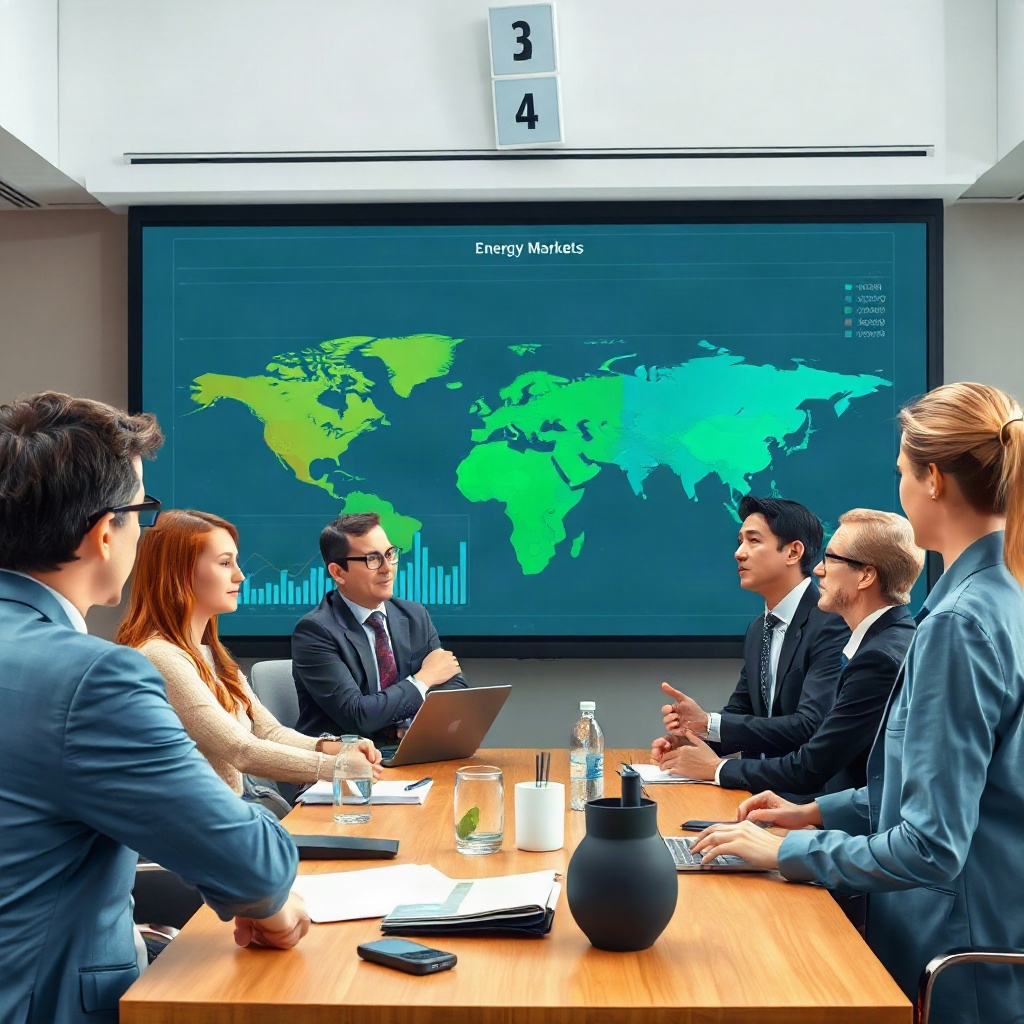
The global energy landscape is constantly evolving, shaped by a complex web of geopolitical forces, market dynamics, and technological advancements. Understanding the intricate interplay between these factors is crucial for policymakers, industry stakeholders, and investors alike. In this article, we will delve into the geopolitics of global energy markets, exploring the key drivers, challenges, and opportunities that define this critical sector.
The Role of Geopolitics in Energy Markets
Geopolitical considerations play a central role in shaping the global energy landscape. From regional conflicts and international alliances to trade agreements and sanctions, political developments have a direct impact on energy production, distribution, and consumption. The control of energy resources has long been a key strategic objective for nations seeking to enhance their geopolitical influence and economic power.
Market Trends and Dynamics
The dynamics of global energy markets are influenced by a myriad of factors, including supply and demand dynamics, price fluctuations, technological innovations, and regulatory frameworks. The shift towards renewable energy sources, the rise of electric vehicles, and the increasing focus on energy efficiency are reshaping the traditional energy landscape and driving the transition towards a more sustainable future.
Energy Security and Resilience
Ensuring energy security and resilience is a top priority for governments and energy companies around the world. Geopolitical tensions, natural disasters, cyber threats, and supply chain disruptions pose significant challenges to the reliable and uninterrupted flow of energy resources. Diversifying energy sources, investing in infrastructure, and enhancing cybersecurity measures are critical components of efforts to enhance energy security.
The Role of International Organizations
International organizations such as the International Energy Agency (IEA), the Organization of the Petroleum Exporting Countries (OPEC), and the World Energy Council play a key role in shaping global energy policies and promoting cooperation among nations. These organizations provide valuable insights, data, and recommendations to guide decision-making processes and promote sustainable energy development.
Emerging Trends and Technologies
The energy sector is undergoing rapid transformation, driven by technological advancements, changing consumer preferences, and regulatory developments. The rise of smart grids, energy storage solutions, and digitalization is revolutionizing the way energy is produced, distributed, and consumed. Embracing innovation and fostering collaboration will be crucial for adapting to these emerging trends and technologies.
Opportunities for Collaboration and Partnership
Collaboration and partnership are essential for addressing the complex challenges facing the global energy sector. By working together, governments, industry stakeholders, and civil society can leverage their collective expertise, resources, and influence to promote a more sustainable and inclusive energy transition. Building strong partnerships and fostering dialogue will be key to unlocking the full potential of global energy markets.