Index rebalancing is a significant event in the financial markets that can have a notable impact on trading activity and fund flows. Understanding how index rebalancing works and its implications is crucial for investors and traders alike. In this article, we will delve into the details of how index rebalancing can affect trading and fund flows, providing insights into the dynamics of this process.
The Basics of Index Rebalancing
Index rebalancing is the process of adjusting the weightings of securities in an index to maintain its desired characteristics. This typically involves adding or removing stocks from the index, as well as adjusting the allocation of existing components. Index providers, such as S&P Dow Jones Indices and MSCI, regularly rebalance their indices to ensure they accurately represent the market they track.
Impact on Trading Activity
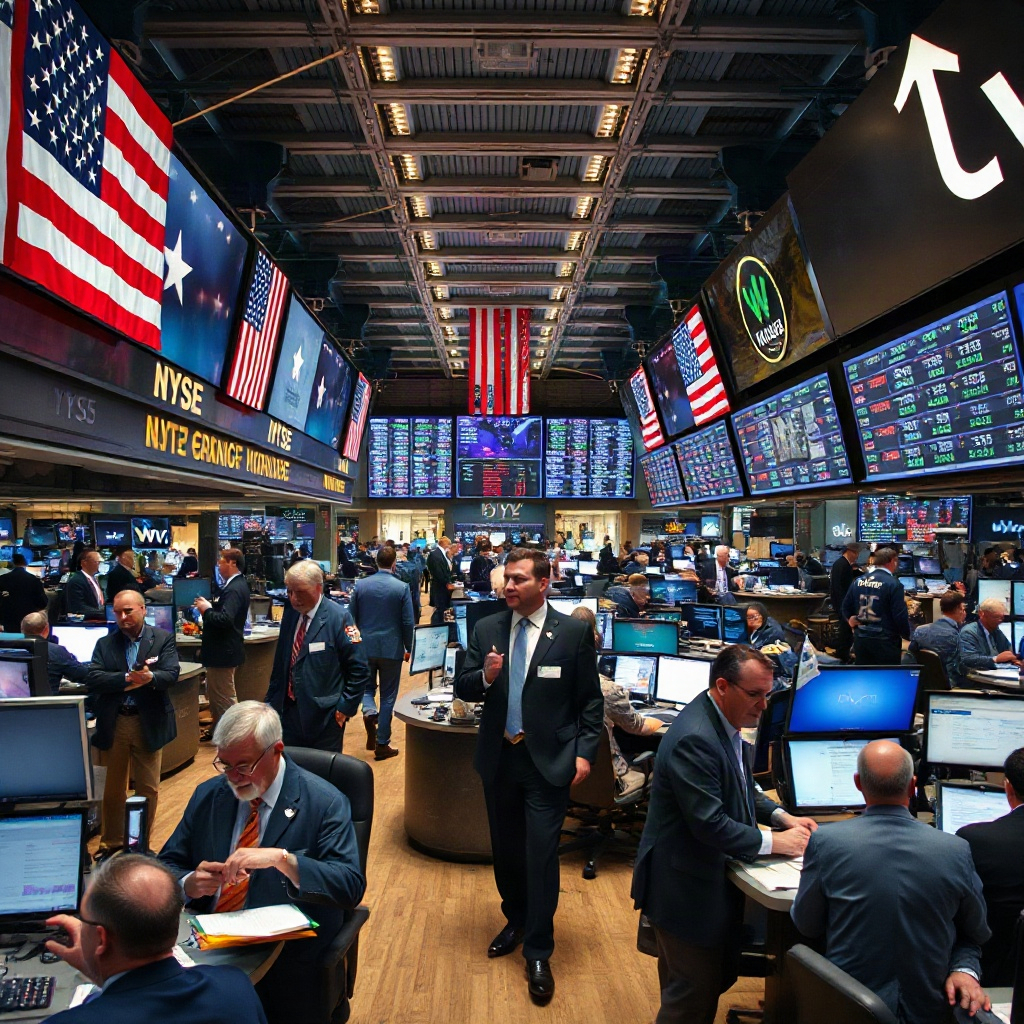
Index rebalancing can lead to a surge in trading activity as market participants adjust their portfolios to reflect the changes in the index. This increased trading volume can create opportunities for short-term traders to capitalize on price discrepancies and volatility. Additionally, the rebalancing process itself can result in price movements as large institutional investors buy or sell significant quantities of shares to realign their holdings with the index.
Effects on Fund Flows
Index rebalancing can also influence fund flows, as passive investment vehicles, such as exchange-traded funds (ETFs) and index mutual funds, adjust their holdings to mirror the changes in the index. This can result in significant inflows or outflows from certain stocks, impacting their prices and trading volumes. Moreover, the rebalancing of popular indices can attract the attention of active fund managers seeking to capitalize on the anticipated market movements.
Strategies for Trading During Index Rebalancing
Traders can employ various strategies to take advantage of the opportunities presented by index rebalancing. These may include arbitrage opportunities arising from price dislocations, momentum trading based on the anticipated market impact of the rebalancing, and options strategies to profit from heightened volatility. It is essential for traders to carefully analyze the details of the rebalancing event and develop a sound trading plan to navigate the potential risks and rewards.
Considerations for Long-Term Investors
For long-term investors, index rebalancing can present both challenges and opportunities. While short-term price fluctuations resulting from the rebalancing process may create buying or selling opportunities, investors should focus on the fundamentals of the companies in which they are invested. It is crucial to maintain a diversified portfolio and stay informed about the implications of index rebalancing on the overall market landscape.
The Future of Index Rebalancing
As the financial markets continue to evolve, index rebalancing is likely to play an increasingly significant role in shaping trading activity and fund flows. With the rise of passive investing and the proliferation of index-based products, the impact of index rebalancing events is expected to become more pronounced. Market participants will need to adapt their strategies and risk management practices to navigate the changing dynamics of index rebalancing effectively.